
Comprehensive Guide to Nutritional Alternatives for a Healthier Gluten-Free Diet
This extensive guide offers detailed information on gluten-free dietary substitutes, including grains, cereals, beverages, and processed foods. Learn how to select safe ingredients, avoid cross-contamination, and enjoy a nutritious, varied diet without gluten. Perfect for those with celiac disease or choosing a gluten-free lifestyle, it emphasizes label reading and healthy food choices to ensure a balanced nutrient intake.
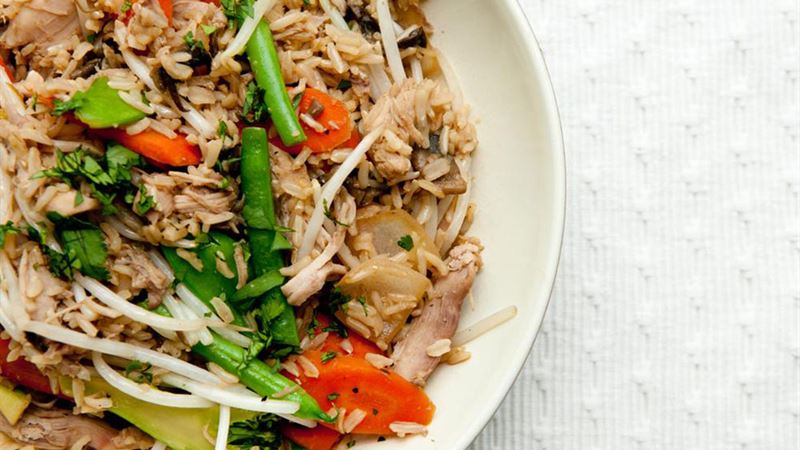
Transitioning to a gluten-free lifestyle involves understanding which food substitutes can maintain a balanced and nutritious diet. This guide provides detailed insights into alternative ingredients, safe replacements, and shopping tips to help you enjoy a variety of delicious, healthful meals while avoiding gluten. Whether you're diagnosed with celiac disease or simply choosing to eliminate gluten for personal health reasons, knowing your options is crucial for nutritional adequacy and culinary satisfaction. From grains and cereals to beverages and processed foods, this article will walk you through the essentials for a wholesome gluten-free diet.
Many traditional products contain gluten, which is found in wheat, barley, and rye. However, advances in food technology and a rising demand for gluten-free options mean you now have access to numerous substitutes that can match the texture, flavor, and nutritional profile of their gluten-containing counterparts. The key is to select products that are certified gluten-free and to understand how to identify hidden sources of gluten in processed foods.
For grains and carbohydrates, options like brown rice, gluten-free multigrain breads, and pseudocereals such as quinoa and millet are popular choices. These can be incorporated into breakfast, lunch, and dinner menus to ensure proper nutrition and variety. Quinoa pasta, made from the nutrient-dense seeds of the quinoa plant, is a fantastic alternative to traditional wheat noodles, providing fiber, protein, and essential amino acids.
In addition to grains, nuts, seeds like chia and flax, and legumes can add richness to your meals while being naturally gluten-free. They can be used in baking, salads, or as snack ingredients. For breakfast cereals, many brands now offer gluten-free options, but always check labels as some products like cornflakes or rice puffed cereals can contain gluten due to malt flavoring or cross-contamination.
When it comes to beverages, plant-based milks such as soy milk, almond milk, and coconut milk are safe alternatives to dairy, especially when paired with gluten-free cereals and oatmeal. It's essential to choose products that are explicitly labeled gluten-free, particularly for oats, since most commercial oats are processed alongside wheat and can be contaminated. Always select oats with the gluten-free certification to avoid inadvertent gluten intake.
Cooking and thickening agents are common sources of gluten. Instead of wheat-based thickeners, opt for cornstarch, arrowroot, or tapioca starch for soups, sauces, and gravies. Be vigilant with packaged foods: many canned soups, gravies, and processed foods contain gluten as a stabilizer or thickener. Read ingredient lists carefully to verify gluten-free status.
Fresh over processed—this principle applies particularly to fruits and vegetables. Many convenience foods, including frozen or canned options, may be processed with gluten-containing additives or preservatives. Fresh, frozen fruits, and vegetables offer safe, nutritious options that are naturally gluten-free. When preparing smoothies or juices, use only fresh or frozen produce to avoid hidden gluten sources.
Alcohol choices also play a role in a gluten-free lifestyle. While most beers and lagers contain gluten as they are brewed from barley or wheat, certain spirits like wine, hard ciders, and distilled liquors are inherently gluten-free. Nonetheless, always check labels and brand specifications to confirm whether any additives or flavorings might contain gluten.
By following these guidelines and choosing products carefully, you can enjoy a diverse, satisfying, and nutritious gluten-free diet that supports your health. Awareness of potential contaminants and labels is key to managing gluten intake effectively, ensuring you maintain a balanced and enjoyable eating experience.