
Essential Guide to Maintaining a Nutrient-Rich Gluten-Free Lifestyle
Learn how to effectively maintain a healthy gluten-free lifestyle with these comprehensive steps. From mastering gluten-free ingredients and baking your own bread to ensuring sufficient calcium intake, diversifying your diet, and incorporating nutrient-rich whole grains, this guide empowers you to stay healthy and satisfied while adhering to your dietary needs. Explore practical tips, delicious recipes, and expert advice to make your gluten-free journey enjoyable and sustainable, ensuring optimal health and well-being every day.
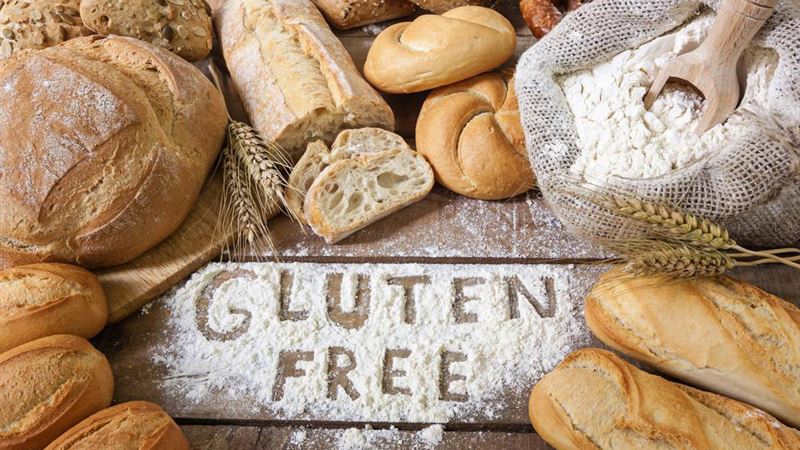
Adopting a gluten-free diet can be a significant change, whether prompted by health reasons or personal choice. To ensure you stay healthy and well-nourished, following a comprehensive approach is vital. This detailed guide provides practical steps to help you embrace a gluten-free lifestyle without compromising on nutrition, flavor, or satisfaction. From understanding gluten-free ingredients to creating delicious homemade bread, exploring fulfilling calcium sources, diversifying your diet, and incorporating whole grains—these strategies will empower you on your gluten-free journey.
Mastering Gluten-Free Knowledge:
The first step to a successful gluten-free lifestyle is to become well-informed. The internet is a treasure trove of resources, including reputable websites, blogs, and online communities dedicated to gluten-free living. However, not all information is accurate or safe, so it's essential to learn how to discern reliable sources. Understand which products contain gluten—barley, wheat, rye, and their derivatives—and learn how to identify hidden gluten in processed foods. Knowledge about gluten-free ingredients, cooking techniques, and safe food handling will give you confidence in meal preparation and help avoid cross-contamination.
Homemade Gluten-Free Bread – A Delicious Necessity:
Baking your own bread offers several advantages. It allows you to control ingredients, avoid preservatives, and tailor recipes to your taste. There are many bread-making appliances designed for home use, such as bread machines, which simplify the process. By preparing bread at home, you ensure it is genuinely gluten-free and free from additives found in some store-bought varieties. Start with gluten-free flour blends—made from rice, almond, coconut, or tapioca—and experiment with recipes until you find your favorite. Homemade bread not only tastes better but also contributes to a more satisfying gluten-free diet.
Ensuring Adequate Calcium Intake:
Eliminating gluten-containing dairy products may reduce your sources of calcium, essential for healthy bones and teeth. It’s crucial to find alternative calcium-rich foods to prevent deficiencies. Options such as canned sardines, shrimps, and boned salmon are excellent sources, providing long-term nutritional benefits. For vegetarians, dark leafy greens like collard greens, turnip greens, bok choy, and broccoli are rich in calcium. Fortified plant-based milks and juices can also supplement your calcium intake. Incorporating these foods into your daily meals will support bone health and prevent osteoporosis over time.
Maintaining a Diverse and Balanced Diet:
When dietary restrictions limit your food choices, there's a tendency to become fixated on certain substitutes. To avoid nutritional gaps and keep your meals interesting, diversify your diet. Include various fruits, vegetables, lean proteins, nuts, seeds, and gluten-free grains to cover your nutritional bases. Experiment with new recipes and cuisines that naturally exclude gluten, such as Mediterranean or Asian dishes. A varied diet ensures you receive a broad spectrum of vitamins, minerals, and antioxidants, promoting overall health and energy levels.
Harnessing Whole Grains for Nutritional Power:
While wheat, rye, and barley are off-limits, numerous other grains can be incorporated into your diet. Buckwheat, quinoa, millet, amaranth, and brown rice are excellent gluten-free options that pack a nutritional punch. These grains are rich in antioxidants, fiber, essential minerals like magnesium and selenium, and B vitamins such as niacin. Including them in your meals can improve digestion, enhance immune function, and promote heart health. Use these grains as staples in your diet—making porridges, salads, or side dishes to boost your overall nutrient intake.