
Effective Strategies for Removing Common Stains During Household Cleaning
Discover expert-approved methods for removing common household stains like urine, chocolate, coffee, grease, and hair dye. This comprehensive guide provides practical tips and step-by-step instructions to help you maintain a spotless and fresh home. Acting quickly and using suitable cleaning solutions can save your fabrics and surfaces from permanent damage, prolonging their lifespan. Learn how to effectively tackle stubborn stains with techniques such as vinegar solutions, detergent scrubbing, sunlight bleaching, and alcohol-based removers. Keep your home looking its best with these proven stain removal tips.
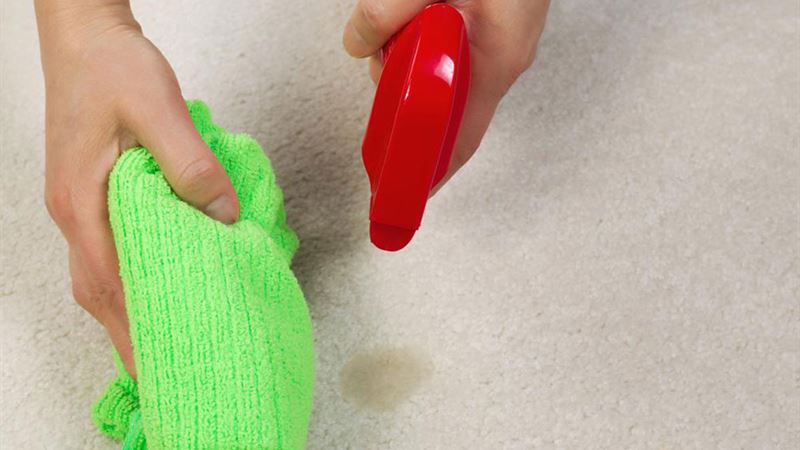
Maintaining a spotless home often involves tackling various stubborn stains. Whether it’s urine, chocolate, coffee, grease, or hair dye, each type of stain requires specific treatment methods to ensure complete removal without damaging fabrics or surfaces. Proper stain removal not only restores the cleanliness and appearance of your home but also prolongs the life of your household items. In this comprehensive guide, we'll explore proven techniques and practical tips for effectively eliminating common household stains, ensuring your home stays fresh, clean, and inviting.
Removing Alkaline Urine Stains
When dealing with urine stains, understanding the pH level is crucial. If the urine is highly alkaline, a simple yet effective method is to sponge the area with a mixture that combines equal parts of vinegar and warm water. This solution helps neutralize alkaline residues and eliminates odors. It’s important to act swiftly—prompt treatment can prevent the stain from setting. Gently blot the affected area with the vinegar solution, avoiding excessive wetness that might spread the stain. Follow this with a clean water rinse and dry thoroughly to prevent mold growth or lingering smells. For best results, repeat as necessary and consider using enzymatic cleaners for persistent odors.
Removing Chocolate Stains
Chocolate stains can be particularly challenging but are manageable with the right approach. First, allow the chocolate to cool and harden; this makes scraping off excess easier and prevents smearing. Use a dull knife or spoon to gently lift off as much chocolate as possible. Once the surface is cleared, prepare a solution of 3 to 5 drops of liquid laundry detergent mixed into three cups of cold water. Blot this mixture onto the stain using a clean cloth or sponge, ensuring that the stain absorbs the cleaning solution. After treating, rinse the fabric with cold water to remove detergent residues. To enhance stain removal, you can also place a paper towel over the stain and gently press with a warm iron. The heat helps lift the remaining chocolate into the paper towels, effectively removing it from the fabric. Repeat if necessary and allow the fabric to air dry.
Eliminating Coffee and Tea Stains
Stains from coffee and tea are common but can be effectively tackled if addressed immediately. The key is to act quickly; pouring cold water on the back of the stain helps flush out the pigment before it sets. Hold the fabric under cold running water or blot with a clean sponge soaked in cold water. This simple step often removes most of the stain. For persistent stains, sunlight can serve as a natural bleaching agent, so place the fabric in direct sunlight to help lighten residual discoloration. For deeper cleaning, create a mixture of one-third cup white vinegar combined with two-thirds cups of lukewarm water. Use a sponge or clean cloth to apply this solution onto the stain, gently blotting and working from the outside in. Rinse thoroughly afterward. Repeat the process if necessary, and ensure the fabric is air-dried away from direct heat sources.
Breaking Down Grease Spots
Grease stains are oily and can be difficult to remove but are manageable with proper techniques. Begin by applying a generous amount of liquid dishwashing detergent directly onto the grease spot. This detergent is formulated to break down oils effectively. After covering the stain, sprinkle a little cool water and use a soft-bristled toothbrush to scrub gently, working from the outside toward the center to prevent spreading. Once the stain starts lifting, rinse thoroughly with water or a vinegar solution to remove any remaining detergent and grease residues. Alternatively, wet a clean cloth with isopropyl rubbing alcohol and carefully rub the stain from the outside inward—this helps dissolve the grease more effectively. Be cautious to test the alcohol on a small area first to prevent fabric damage. Air dry the fabric after treatment for best results.
Removing Hair Dye Stains
Hair dye stains can quickly mar your clothing or surfaces, but immediate action can save the fabric. Spray a light mist of hairspray directly onto the stain to loosen the dye particles. The alcohol in hairspray acts as a solvent that helps break down the dye’s pigmentation. After allowing the hairspray to sit for a minute or two, apply a small amount of liquid laundry detergent and use a toothbrush or soft brush to gently scrub the stain. Rinse thoroughly with cold or lukewarm water to wash away loosened dye and detergent. Repeat if needed, and always avoid hot water, which can set the stain permanently. For best results, air dry the fabric to see if the stain is fully gone, and avoid using heat from dryers or irons until you’re satisfied with the cleaning outcome.
By adopting these targeted stain removal strategies, maintaining a pristine home environment becomes much more manageable. Remember, the key to successful stain removal is prompt action and choosing the right method for each type of stain. With patience and the correct tools, you can restore your fabrics and surfaces to their original beauty, ensuring a cleaner, more welcoming home environment.