
Ultimate Guide to Crafting the Perfect Graham Cracker Pie Crust
Discover expert tips and detailed methods to create the perfect graham cracker crust for various desserts. Learn how to select crackers, prepare the mixture, bake or chill properly, and customize flavors for a flawless base that elevates your sweet recipes. Whether for cheesecakes, pies, or tarts, mastering this crust ensures professional-looking, delectable results every time.
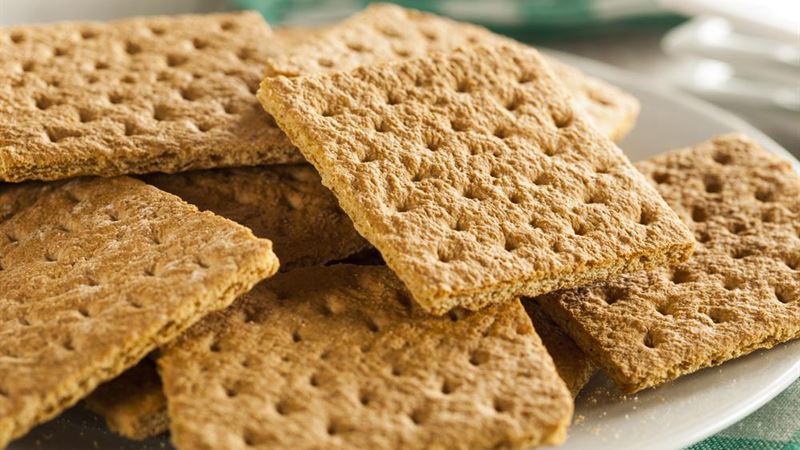
Graham cracker crusts are a versatile and delicious foundation for a wide range of desserts, from classic cheesecakes to decadent tarts and creamy pies. The key to achieving a perfect crust lies in selecting the right type of crackers, preparing the mixture correctly, and knowing whether to bake or chill depending on your dessert. In this comprehensive guide, we will explore everything you need to know to master the art of making an ideal graham cracker crust that enhances your desserts and impresses everyone at your table.
Choosing the Right Graham Crackers for Your Crust
Graham crackers come in several flavors, such as traditional plain, cinnamon, honey, and rich chocolate. The choice of flavor can influence the overall taste of your dessert, so pick accordingly based on your dessert’s theme:
- Plain Graham Crackers: Provides a neutral base that pairs well with various fillings.
- Cinnamon or Honey-flavored: Adds a hint of sweetness and warmth, ideal for autumnal or spiced desserts.
- Chocolate: Creates a rich, indulgent crust perfect for chocolate or berry fillings.
If you are health-conscious or watching your fat intake, there are low-fat options available, though it’s important to note that fats are essential for binding the crust ingredients together and providing structure. Always choose a flavor that complements the filling you desire.
Preparing Your Graham Cracker Crust Mixture
Preparing the crust involves crushing the crackers into fine crumbs. There are several methods to do this:
- Food Processor: Place crackers into a food processor and pulse until finely ground. This method ensures uniform crumbs and saves time.
- Manual Crushing: For a more nostalgic experience, seal crackers in a zip-top bag and crush them with a rolling pin. This method allows for more control over crumb size and can be a fun activity.
Once you've achieved the desired crumb texture, transfer the mixture into a mixing bowl. Then, add 1/3 cup of granulated sugar. This sweetener not only enhances flavor but also helps the crust bind together, especially once baked or chilled. For an added flavor dimension, substitute or supplement with brown sugar, which lends a caramel-like richness to the crust.
Next, incorporate six tablespoons of melted butter into the mixture. The amount of butter is critical: too little can result in a crumbly base that falls apart, while too much may make it greasy. Mixing the butter thoroughly ensures an even distribution throughout the crumbs, creating a cohesive crust.
Forming and Finalizing Your Crust
Once the mixture is ready, it's time to shape it in your pie pan:
- Pressing Down: Use the bottom of a flat measuring cup or a dry glass to firmly press the crumbs into the pan, ensuring a compact, even layer. This step is crucial for structural integrity, especially in no-bake desserts.
- Edge Formation: Use your fingers or the back of the measuring cup to press the mixture into the edges, creating a clean, professional-looking border.
For cold desserts like no-bake cheesecakes or layered icebox pies, allow the formed crust to chill in the refrigerator for at least two hours. Chilling solidifies the ingredients, ensuring the crust holds firmly when you pour or spread your filling.
If you're preparing a baked pie, pre-baking is necessary to prevent a soggy crust. Bake the crust at 350°F (175°C) for approximately 8-10 minutes or until lightly golden. During baking, the butter melts and the crumbs set, creating a crisp, firm base essential for holding dense or moist fillings.
Tips for Perfecting Your Graham Cracker Crust
- Consistency Matters: Aim for uniformly fine crumbs and even butter distribution for a balanced crust.
- Choose the Right Butter: Unsalted butter is recommended to control salt levels, but salted butter can be used if you prefer a slightly savory note.
- Adjust Sweetness: Modify sugar levels according to your dessert’s flavor profile—less for a less sweet crust, more for a sweeter effect.
- Experiment with Flavors: Add cinnamon, cocoa powder, or crushed nuts to the mixture for unique variations.
- Chill or Bake: Decide whether your recipe calls for chilling the crust or pre-baking based on the filling type. Both methods are crucial for achieving the ideal texture and stability.
Final Thoughts on Making a Flawless Graham Cracker Crust
Mastering a graham cracker crust is straightforward once you understand the importance of ingredient ratios and preparation techniques. Whether you prefer to bake or chill, the key lies in thorough mixing, proper packing, and resting time. With these comprehensive tips and methods, you'll be able to craft a sturdy, flavorful crust that forms the perfect base for any sweet creation. Remember, practice makes perfect—so don't hesitate to experiment with flavors and textures to create your signature crust. Elevate your baking skills today by following these expert techniques and delight in the impressive desserts you will produce.