
Revolutionizing Food Storage: The Advantages of Mason Jars Over Traditional Plastic Containers
Discover why Mason jars are an excellent alternative to plastic containers for food storage. They are durable, environmentally friendly, non-reactive, and safe for hot foods. Retain nutrition and flavor better while reducing plastic waste. Perfect for long-term use and stylish storage solutions, Mason jars are a practical investment for a healthier lifestyle and eco-conscious living.
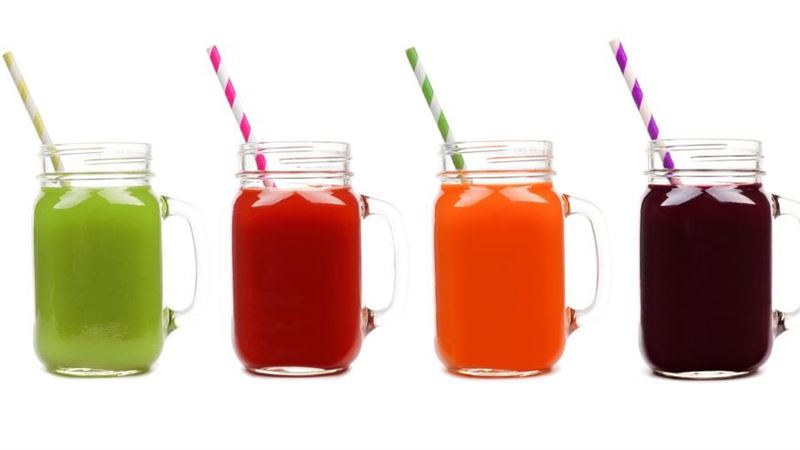
In recent years, concerns about the safety and environmental impact of plastic food storage options have grown significantly. Conventional plastic containers, commonly used in households worldwide for storing food and beverages, pose certain health and ecological risks that have prompted many to reconsider their choice of storage materials. The deterioration of plastic over time, exposure to high temperatures, and the leaching of potentially harmful chemicals into food are some of the issues associated with plastics. Consequently, the need for safer, sustainable, and durable alternatives has become increasingly urgent, leading to the renewed interest in traditional glass containers—particularly Mason jars—as a practical solution for modern food storage needs.
Initially designed for canning and preserving fruits and vegetables, Mason jars have gained popularity beyond their original purpose. Their durability, safety, and aesthetic appeal make them an attractive option for a broad range of uses, from pantry organization to serving beverages. Unlike plastic containers, Mason jars are crafted from high-quality, non-reactive glass that can handle a variety of conditions without degrading or releasing toxins into stored items. This long-term investment not only offers health benefits but also aligns with environmentally responsible practices.
One of the most notable advantages of Mason jars over plastic is their resilience to temperature changes. Mason jars are engineered to endure higher temperatures, making them suitable for hot food storage, cooking, and even boiling water baths during canning processes. Plastic containers, by contrast, often have temperature limitations, and exposure to heat can cause warping or chemical leaching, jeopardizing food safety. Mason jars can withstand repeated thermal cycles, ensuring your food remains safe and uncontaminated over time.
Moreover, Mason jars are an eco-friendly choice. An estimated 80% of glass can be recycled without loss of quality or purity, and the recycling process produces fewer toxins compared to plastic waste management. Plastic containers, especially those containing BPA or similar chemicals, pose environmental risks as they accumulate in landfills and ecosystems. The environmental footprint of plastic is a persistent concern due to its slow decomposition rate and the pollution generated during manufacturing and disposal. Mason jars, being reusable and recyclable, present a sustainable alternative that reduces waste and supports conservation efforts.
From a health perspective, Mason jars provide a safer storage solution by eliminating the risk of chemical leaching that is prevalent with plastic containers. Many plastics contain additives like BPA, phthalates, and other harmful substances that can migrate into food, particularly when heated or exposed to sunlight. Glass, being a non-porous and inert material, does not absorb odors, flavors, or bacteria, making it easier to keep your food fresh and uncontaminated. This ensures the preservation of original flavors and nutrients, which is essential for maintaining a healthy diet.
Although Mason jars may initially seem more expensive than plastic options, their durability and longevity translate into cost savings over time. Unlike disposable plastic containers, Mason jars can be used repeatedly for years without degrading or losing functionality, making them an economical choice in the long run. Additionally, their aesthetic appeal and versatility allow them to serve multiple purposes, from storing dry goods to presenting homemade beverages, salads, or desserts with a rustic charm that enhances any kitchen or dining setting.
Another key benefit is the versatility of Mason jars. They are non-porous, meaning they do not absorb odors or flavors, and can be used repeatedly for different types of food and liquids without contamination. Their robust construction also enables them to handle hot foods and liquids safely, a feature that plastic containers often lack. Furthermore, Mason jars are easy to clean—simply washing with soap and water restores their pristine condition, ready for reuse without the lingering smells or stains typical of plastic reusables.
It’s important to recognize that Mason jars also contribute positively towards sustainable living practices. Using such reusable glass containers reduces our dependence on single-use plastics, aligns with eco-conscious values, and helps diminish the global plastic waste crisis. Their enduring quality makes them an ideal choice for households aiming to minimize environmental impact while maintaining a practical and health-conscious storage system.
In conclusion, Mason jars are far superior to traditional plastic containers when considering safety, environmental impact, durability, and aesthetic appeal. As a long-term investment, they offer a healthier and more sustainable way to store, preserve, and serve food. Transitioning to Mason jars not only benefits personal health but also contributes to broader ecological preservation efforts. For anyone looking to upgrade their food storage methods, embracing Mason jars as an alternative is a wise, eco-friendly, and stylish choice that stands the test of time.