
Comprehensive Guide to Massage Chairs: Types, Features, and Pricing Insights
This extensive guide explores different types of massage chairs, from roller and air massage models to vibration-based options, detailing their features, technologies, and costs. It offers insights into choosing the right device based on needs and budget, along with tips on where to buy. Discover how massage chairs can improve physical health, relieve stress, and enhance daily comfort, making them a worthwhile investment for a healthier, more relaxed lifestyle.
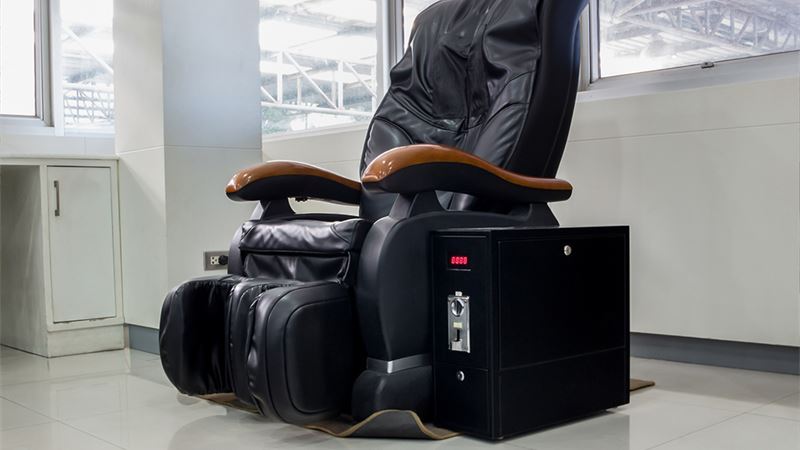
Massage chairs have become increasingly popular for their ability to deliver therapeutic benefits and relaxation right in the comfort of your home. With a variety of models boasting diverse features and technological capabilities, choosing the right massage chair can feel overwhelming. This comprehensive guide explores the different types of massage chairs, key features to consider, the technology behind them, and the costs involved. Whether you’re looking for a budget-friendly recliner or a high-end device with advanced features, understanding what each option offers can help you make an informed decision.
Understanding the Main Types of Massage Chairs
Massage chairs can be broadly categorized based on their mechanics and technology. Knowledge of these types can help you identify which suits your personal needs, preferences, and budget. The most common categories include roller massage chairs, air massage chairs, and vibration-based models. Each type provides a unique experience and set of benefits, making them suitable for different users and purposes.
1. Roller Massage Chairs
Roller massage chairs are among the most traditional and widely used types of massage equipment. They utilize a system of rollers that move along predefined tracks to emulate human hand massage techniques. This system is designed to target specific muscle groups and provide a deeply relaxing experience.
These chairs are typically divided into different track types based on their track design, which significantly influences the massage experience:
- Straight Track: The simplest form, this track moves the rollers in a straight line from neck to lower back without any curves or bends. While easy to manufacture and usually more affordable, straight track models may not conform to the body's natural contours, leading to less comprehensive coverage, especially around areas like the neck and shoulders.
- S-Track: The most popular design, shaped like an 'S,' this track follows the natural curvature of the spine, allowing the rollers to maintain continuous contact with the muscles along the entire back. This results in a more thorough and relaxing massage experience, effectively targeting regions that require more attention.
- L-Track: Extending beyond the S-Track, the L-Track features a longer track that can reach the glutes, hamstrings, and even the thighs. It provides a comprehensive massage that covers both the back and the lower body, making it ideal for users seeking full-body relief.
2. Variation in Roller Head Technology
The complexity and customization of the massage are often dictated by the type of rollers incorporated within the chair. These rollers vary in their range of motion and sophistication, affecting the intensity, rhythm, and overall feel of the massage:
- 2D Rollers: The most basic type, capable of moving in two dimensions—horizontally and vertically. They offer adjustable speed and intensity but lack depth control, making them suitable for entrants or casual users.
- 3D Rollers: In addition to horizontal and vertical movement, these rollers can also move in and out, providing a three-dimensional massage that mimics real hands' depth and pressure variations, offering greater customization.
- 4D Rollers: The highest level of roller technology, 4D rollers add a fourth dimension by adjusting speed and rhythm dynamically, replicating the nuanced techniques of professional massage therapists. They can emulate deep tissue massage and provide a more immersive experience.
3. Air Massage Chairs
Unlike roller-based models, air massage chairs incorporate inflatable airbags strategically placed throughout the chair. They inflate and deflate rhythmically to squeeze and knead the body, providing a gentle yet effective massage for hard-to-reach areas such as shoulders, arms, and legs.
These beds often support advanced techniques like swings, stretches, and twists by combining air pressure with movement, making them excellent for overall relaxation and muscle relief. They’re particularly beneficial for individuals seeking gentle pressure therapy or those with specific areas requiring extra attention.
4. Vibration Massage Chairs
This simpler technology employs high-frequency vibration plates to deliver localized massage to specific areas. These models are often used for relaxation and improving circulation rather than therapeutic deep tissue work. They are generally more affordable and easier to operate but lack the depth and variety of techniques offered by roller and air-based chairs.
Additional Features to Enhance Your Massage Experience
Many premium massage chairs come packed with features designed to amplify comfort and therapeutic benefits:
- Body Scanning Technology: The chair uses sensors to map the user’s back, detecting height, shape, and pressure points. It then customizes the massage to target specific areas for maximum relief.
- Traction and Inversion Therapy: These options allow the recliner to tilt back up to 180 degrees, providing gentle stretching and decompression to alleviate nerve pinched sensations and improve spinal health.
- Zero Gravity Position: Elevates the legs to reduce strain on the spine and improve blood flow, mimicking the space-like zero gravity as experienced by astronauts, promoting ultimate relaxation.
Additional luxury features often include thermal therapy (heating pads), chromotherapy lights for mood enhancement, negative ion generators to detoxify, and Bluetooth speakers for a sensory-rich experience.
Understanding the Cost Dynamics of Massage Chairs
The price range for massage chairs varies widely based on features, materials, and technology. Budget-friendly options start around MXN 15,000 and are suitable for casual users or those with basic needs. High-end units, equipped with advanced roller technologies, comprehensive adjustability, and additional features, can cost over MXN 80,000 or more.
When choosing a massage chair, it’s essential to evaluate factors such as the primary purpose—whether for relaxation, pain relief, or therapy—along with adjustable settings, size, portability, and aesthetic design. Proper research ensures you get the best value for your investment.
Where to Buy and How to Choose
Purchasing options include online stores and local furniture or specialty health stores. Online marketplaces often offer a broad selection, competitive pricing, and convenient delivery. To find local stores, searching terms like 'massage chairs near me' or 'recliners in my area' can help locate nearby showrooms. Visiting in person allows you to test the ergonomics, size, and feel of the chair, leading to a more confident purchase.
Benefits of Incorporating a Massage Chair into Your Routine
Beyond physical health, massage chairs contribute positively to mental well-being. Benefits include:
- Enhanced blood flow and reduced blood pressure, supporting cardiovascular health
- Relief from chronic neck, shoulder, and back pain, promoting better posture
- Quicker recovery from sports or physical injuries through targeted massage
- Improved sleep quality, helping in stress reduction
- Strengthened immune system due to better circulation and relaxation
Incorporating a massage chair into your space can also elevate other areas of your life. For instance, adding a recliner or massage function to your home theater can turn movie nights into a premium experience featuring unparalleled comfort and relaxation.