
Comprehensive Guide to Water Heaters: Exploring Types and Functional Modes
Explore the extensive guide on water heaters covering various types such as tankless, heat pump, solar, and condensing models. Learn about their modes of operation, benefits, and ideal use cases to select the most suitable hot water system. This detailed overview helps homeowners and businesses make informed choices, ensuring efficient and reliable hot water supply tailored to their specific needs and budgets. Discover energy-saving features and installation tips for optimal performance and cost-effectiveness.
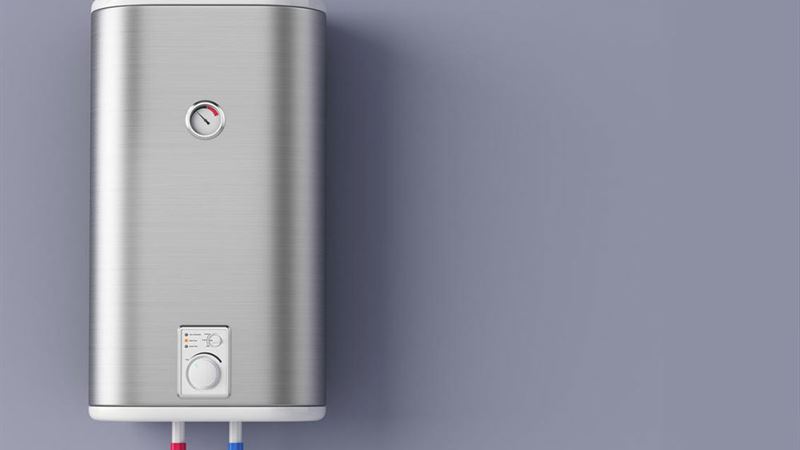
- Natural Gas and Electric Water Heaters
- Tankless (On-Demand) Water Heaters
- Heat Pump or Hybrid Water Heaters
- Solar Water Heating Systems
- Condensing Water Heaters
One of the fundamental distinctions among water heaters is their energy source. The two most common options are natural gas and electricity. Each has its unique benefits and considerations that influence installation, operating costs, and overall efficiency.
Natural gas water heaters tend to be more cost-effective in terms of energy consumption, especially in areas where gas supply is affordable and readily available. They are known for their rapid heating capabilities, making them suitable for households or facilities that require large volumes of hot water quickly. However, they require proper ventilation and safety measures due to the combustion process involved.
Electric water heaters, on the other hand, are generally more affordable upfront and easier to install since they do not need venting. They are ideal in locations where gas supply is unavailable or impractical. Despite higher operational costs compared to gas models, electric heaters are appreciated for their reliability and lower maintenance needs.
Tankless (On-Demand) Water Heaters
Tankless water heaters, also called on-demand units, have gained popularity because of their compact size and impressive efficiency. Unlike traditional models that store water in a tank, tankless heaters heat water instantly as it flows through the unit when a hot water tap is turned on. This design eliminates standby heat loss associated with storing hot water, making these units more energy-efficient.
Due to their small and space-saving design, tankless units can be installed on walls or tucked away in tight spaces close to the point of use, such as bathrooms or kitchens. They are capable of providing an almost unlimited supply of hot water, making them perfect for large families or high-demand environments. Energy efficiency rates of up to 80% make tankless heaters an attractive option despite their typically higher initial cost.
Heat Pump or Hybrid Water Heaters
Heat pump or hybrid water heaters stand out because they utilize ambient heat energy from the surrounding environment to warm water. These systems are less common but are gaining traction due to their exceptional energy-saving capabilities. They work by extracting heat from the air or ground and transferring it to water within a tank.
They require a specific installation environment—preferably warm or moderate climates—since their efficiency declines in cold areas. These units are highly energy-efficient, typically consuming about 60% less electricity compared to traditional electric water heaters. Although the initial investment is higher, the long-term savings on energy bills can be substantial.
Solar Water Heating Systems
Harnessing renewable energy, solar water heaters utilize the sun’s rays to heat water, making them an environmentally friendly choice. These systems comprise solar collectors mounted on rooftops or other sun-exposed surfaces, along with a storage tank. The hot water can be used for domestic purposes or industrial applications.
Solar water heaters are most effective in regions with abundant sunlight, and they often include a backup system—powered by natural gas or electricity—to ensure hot water availability during cloudy days or nighttime. The initial setup cost is substantial, but long-term operational savings and eco-friendliness make this an attractive choice for sustainable water heating.
Condensing Water Heaters
Condensing water heaters utilize the exhaust gases from combustion to preheat water, making them highly energy-efficient. These units closely resemble traditional tank water heaters in appearance but are distinguished by their ability to recover more heat from the combustion process.
Typically featuring large storage capacities—such as 55 gallons or more—condensing models are suitable for residential, commercial, and industrial settings that require substantial hot water volumes. The captured flue gases pass through a heat exchanger, warming the water before being expelled. This process reduces energy waste and enhances overall efficiency.
Choosing the Right Water Heater for Your Needs
With numerous types of water heaters available, selecting the right model depends on various factors including energy source preference, space constraints, hot water demand, environmental considerations, and budget.
Investing in a high-quality water heater ensures consistent access to hot water, increases energy efficiency, and reduces operational costs over time. Consulting with a professional can help determine the most suitable type and model tailored to your specific needs.
Whether you need a small, wall-mounted tankless unit or a large, commercial-grade condensing system, understanding these options empowers you to make an informed decision that guarantees reliable hot water supply for years to come.