
Comprehensive Guide to Managing Opioid Overdose with Naloxone
This comprehensive guide explores how Naloxone effectively reverses opioid overdoses, available formulations, legal considerations, and its crucial role in combating the opioid crisis. Learn about safe administration and community access to save lives.
Understanding the Critical Role of Naloxone in Overcoming Opioid Overdose
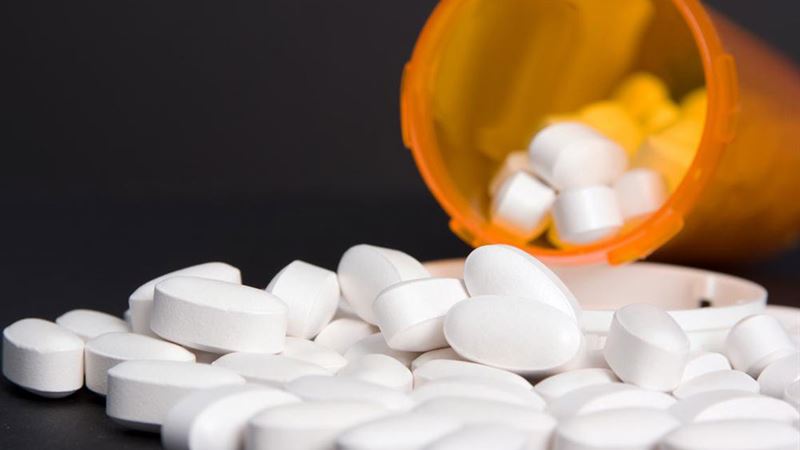
Opioids, a class of powerful pain-relieving substances, significantly impact respiratory function. When consumed in excessive amounts, they can suppress breathing to dangerous levels, sometimes resulting in death. Recent statistics reveal alarming numbers — over 30,000 fatalities annually in our nation and approximately 70,000 globally — attributed to opioid overdoses, which include both prescription painkillers and illegal substances like heroin. Addressing this crisis requires effective interventions, one of which is the administration of Naloxone, a medication designed to swiftly counteract opioid toxicity and save lives.
Opioid overdoses occur due to the drug's binding to specific receptors in the brain, leading to respiratory depression, sedation, and sometimes unconsciousness. Naloxone, commonly known by its brand name Narcan, acts as an opioid antagonist, meaning it blocks the effects of opioids at receptor sites. Its ability to rapidly restore normal breathing makes it a vital tool in emergency situations, whether administered by medical professionals or trained laypersons.
When an overdose happens, immediate intervention can make the difference between life and death. Naloxone's role in reversing overdoses is well-established, and it is available in multiple formulations designed for ease of use across varied settings. The three major types approved by the Food and Drug Administration (FDA) are auto-injectors, intranasal sprays, and injectable solutions. Each serves the same purpose but differs in administration method and user requirements.
Types of Naloxone Formulations and Their Usage
- Auto-Injectable Naloxone: These are pre-filled, user-friendly devices resembling AED (Automated External Defibrillator) units. Designed for quick, ease-of-use by both emergency personnel and non-medical individuals, they include verbal prompts guiding the user through the injection process. The device is typically administered into the thigh muscle, providing rapid delivery of the medication with minimal training. Auto-injectors are highly portable and ideal for emergency kits carried by first responders and community members.
- Intranasal Naloxone Sprays: Prefilled nasal spray devices are needle-free options that allow fast administration directly into the nostril. They are particularly suitable for bystanders or caregivers with limited medical training. The design eliminates the need for assembly or injection, making it an accessible tool in urgent situations. Many kits come with two doses to manage more severe overdoses, providing additional safety margin. Proper positioning, with the patient lying on their back, is critical for effective use.
- Injectable Naloxone Solutions: These are typically used by trained medical professionals and involve administering the medication via intramuscular or subcutaneous injection. They may require assembly and precise technique, often packaged in emergency kits with atomizers for intranasal use. Because of their complexity, injectables are less common for layperson administration unless specific training is provided. However, they remain a potent option in clinical settings.
Legal and Practical Considerations in Naloxone Administration
Different states have varying regulations regarding naloxone access and use. In some regions, physicians’ prescriptions are required before obtaining the medication, while in others, it can be distributed freely without prior consultation. This discrepancy aims to maximize community access and save more lives.
The appropriate dosage of naloxone depends on factors such as the severity of overdose, the individual’s level of opioid dependence, and the type of opioid used. Often, multiple doses are necessary to fully reverse respiratory depression, especially in cases involving potent synthetic opioids like fentanyl. Therefore, users should always follow the specific instructions provided with the medication and seek emergency medical assistance immediately after administration.
Additional Considerations for Safe Use
It’s important to recognize that not all overdoses are solely due to illicit drug use. Medication-assisted treatment (MAT) for opioid dependence can also pose overdose risks if not properly managed. Furthermore, administering naloxone requires caution and monitoring. Patients should be observed for at least two hours, ideally in a medical setting, to ensure their breathing stabilizes and there are no adverse reactions.
While naloxone is generally safe, some individuals may experience side effects such as nervousness, agitation, dizziness, body aches, or gastrointestinal discomfort. More serious allergic reactions are rare but can occur, manifesting as swelling, hives, or difficulty breathing. Immediate medical attention is essential if such symptoms appear.
Impact and Significance in Combating the Opioid Crisis
Wider distribution of naloxone has been a crucial component of public health strategies to stem the tide of opioid-related deaths. Currently, 37 states have enacted laws allowing bystanders, family members, and caregivers to administer naloxone without a prescription under Good Samaritan laws. These policies aim to reduce stigma and enhance community response capabilities.
Empirical data affirm naloxone’s life-saving potential — over 800 lives across the United States have reportedly been saved through emergency administration. Additionally, studies indicate that approximately 80% of lives saved belong to individuals present at the scene, highlighting the importance of community access and education.
Despite some concerns that widespread naloxone availability could incentivize risky drug use, evidence suggests that its benefits far outweigh potential drawbacks. It provides crucial time for overdose victims to receive comprehensive medical treatment, ultimately reducing fatalities and facilitating recovery.
In conclusion, naloxone stands as a cornerstone in the fight against the opioid epidemic. Its accessibility, ease of administration, and proven effectiveness underscore its vital role in community safety and public health. Ensuring broad, equitable access to this life-saving medication is essential for communities facing the ongoing challenges of opioid dependence and overdose.