
Understanding Naloxone: A Lifesaving Solution for Opioid Overdose Emergencies
This comprehensive article explores naloxone's vital role in combating opioid overdoses, highlighting its use, signs of overdose, administration methods, side effects, costs, and accessibility options. It emphasizes the importance of community awareness and preparedness in preventing overdose fatalities and offers insights into legal considerations for acquiring naloxone effectively. With detailed information, it aims to educate both the public and healthcare providers on lifesaving measures in opioid emergencies.
Over the past two decades, the United States has faced a dramatic rise in opioid-related fatalities. From 2000 onwards, deaths linked to prescription painkillers have surged exponentially, leading to a nationwide crisis. An alarming number of individuals, exceeding 600,000, are grappling with heroin addiction, contributing to a fourfold increase in overdose deaths since the early 2000s. This escalating opioid epidemic is fueled partly by the widespread availability of cheaper, more accessible heroin, which has increasingly replaced prescription medications for many users. The crisis underscores the urgent need for effective interventions and preventive measures.
Opioids exert their effects by binding to specific receptors in the brain, releasing endorphins that induce feelings of euphoria and pain relief. At lower doses, they tend to produce sedation and relaxation, but as the dosage increases, they can dangerously slow breathing and heart rate, often leading to respiratory failure. These altered physiological responses are key indicators of overdose risk.
Physiologically, opioids stimulate the brain's reward system, flooding it with chemicals like dopamine that produce that sought-after feeling of ecstasy and well-being. This pleasurable sensation is what often leads to repeated use. However, repeated opioid use can cause the brain to adapt, leading to tolerance, dependence, and, ultimately, addiction. The cycle of craving, increased dosage, and withdrawal symptoms makes quitting exceedingly difficult without proper medical support.
Withdrawal symptoms are particularly distressing and include anxiety, irritability, severe insomnia, abdominal cramps, tremors, diarrhea, and vomiting. These symptoms can make continued abstinence challenging, often leading to relapse. Chronic, high-dose opioid consumption is deadly, increasing the likelihood of overdose and death. Recognizing overdose symptoms promptly is crucial to saving lives.
Signs and Symptoms of Opioid Overdose
- Severely slowed or irregular breathing
- Pale or clammy skin
- Hands and lips turning blue or purple
- Vomiting or gurgling noises
- Inability to respond or wakefulness
- Unconsciousness or limp body
Immediate action is vital. If these signs are observed, calling emergency services (911) without delay can make the difference between life and death.
Emergency Response and Naloxone Usage
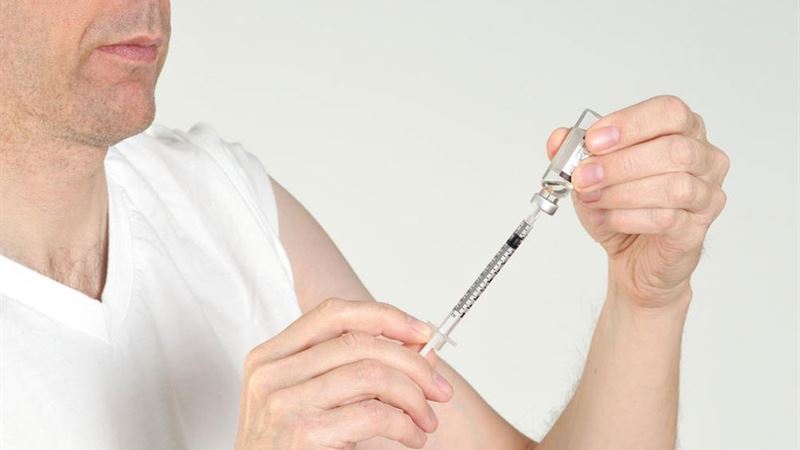
Administering naloxone quickly can reverse the potentially fatal effects of an opioid overdose. Medical professionals typically deliver naloxone via injections in emergency rooms, but first responders and laypeople can also administer this life-saving medication. Many states now authorize friends and family members of individuals at risk to carry naloxone kits, which often include nasal spray formulations that are easy to use and do not require extensive training. The nasal spray variant is particularly accessible, allowing anyone present during an overdose to respond promptly and effectively.
Given the medication's high efficacy, authorities actively promote its distribution among first responders—including police officers and firefighters—and encourage community programs to equip those at risk with naloxone. These measures aim to bridge the gap and ensure rapid response in overdose scenarios, thereby reducing mortality rates significantly.
Possible Side Effects of Naloxone
Though naloxone is a vital tool in overdose intervention, it is not without side effects. Some individuals may experience allergic reactions characterized by hives, swelling, or difficulty breathing. Other adverse effects include chest pain and, in rare cases, seizures. Importantly, naloxone rapidly precipitates withdrawal symptoms, which can be intense and uncomfortable.
Patients undergoing withdrawal post-naloxone often exhibit symptoms such as excessive sweating, vomiting, shivering, and agitation. They might also report pain, burning sensations at the injection site, or in extremities like hands and feet. These reactions are typically transient but can be distressing for the individual.
Cost and Accessibility of Naloxone
The increasing cost of naloxone has raised concerns, especially given the urgent need for widespread availability to prevent overdose deaths. Currently, the prices vary based on the formulation and insurance coverage. Many health insurance plans include coverage for naloxone, and numerous public health initiatives provide it free of charge to at-risk populations.
Naloxone is available primarily in two formulations: a pre-filled injectable device branded as Evzio® by Kaleo and a nasal spray under the brand Narcan® by Adapt Pharma. Wholesale prices are typically offered to first responders and community organizations, facilitating large-scale distribution. Schools, colleges, and universities also receive free naloxone supplies, emphasizing its role in preventive community health strategies.
How to Purchase Naloxone
While naloxone is classified as an emergency medication, laws in many states permit over-the-counter sales or pharmacist-prescribed access, making it more accessible. Before purchasing, individuals should familiarize themselves with local pharmacy regulations and state laws concerning naloxone distribution. Pharmacists often play a key role in dispensing naloxone without a prescription where permitted.
Having naloxone readily available can serve as a crucial safety net. However, preventing overdose situations is better achieved through comprehensive support and intervention for those battling opioid addiction. Ensuring affected individuals receive proper medical care, therapy, and support can facilitate recovery and help them regain control over their lives. The road to overcoming opioid dependence may be long and challenging, but with the right help, recovery is possible, and lives can be saved.