
Comprehensive Guide to Lung Cancer: Types, Causes, and Recognizing Symptoms
Explore the comprehensive details of lung cancer, including its types, risk factors, causes, and early symptoms. Learn how to identify high-risk individuals, understand the impact of smoking and environmental exposures, and discover preventative measures. This guide aims to increase awareness and promote early detection for better treatment outcomes and survival rates.
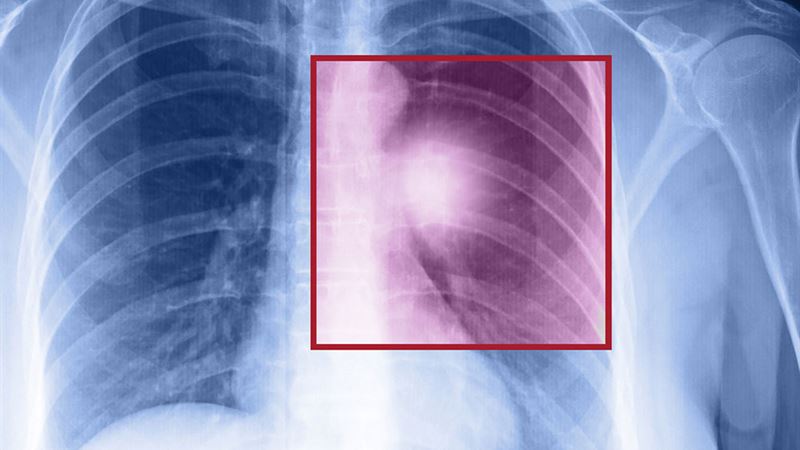
Lung cancer remains one of the leading causes of cancer-related deaths worldwide. It often develops silently, making early detection and prevention crucial for improving survival rates. For individuals struggling to quit smoking, seeking medical assistance can significantly reduce the risk of developing this deadly disease. This extensive guide will explore the different types of lung cancer, identify risk factors, discuss causes, and highlight symptoms to watch for to aid early diagnosis and intervention.
Understanding the Types of Lung Cancer
Knowing the specific type of lung cancer a patient has is vital for determining the most effective treatment plan. Lung cancer primarily divides into two categories: non-small cell lung cancer and small cell lung cancer. Each type exhibits distinct characteristics, behaviors, and treatment responses.
Non-Small Cell Lung Cancer (NSCLC)
Non-small cell lung cancer is the more prevalent form, accounting for approximately 85% of all lung cancer cases. The term encompasses several subtypes, which include squamous cell carcinoma, adenocarcinoma, and large cell carcinoma. These varieties differ in their cellular structures and tendencies, influencing treatment approaches and prognosis.
Squamous cell carcinoma typically develops in the central parts of the lungs and is strongly linked to smoking. Adenocarcinoma often originates in the outer regions of the lungs and is more common among non-smokers or those with light exposure to carcinogens. Large cell carcinoma is known for its rapid growth and propensity to spread early, making it more aggressive.
Small Cell Lung Cancer (SCLC)
Small cell lung cancer is less common, representing about 10-15% of lung cancer cases. It is characterized by small-sized cancer cells that tend to grow quickly and spread rapidly to other parts of the body. SCLC is strongly associated with heavy smoking history, and patients often present with advanced disease stages at diagnosis.
Due to its aggressive nature, SCLC typically responds to chemotherapy and radiation therapy rather than surgery, which is often limited to early-stage cases.
Factors Increasing the Risk of Lung Cancer
Numerous factors contribute to the development of lung cancer. While some risk factors are within individual control, others are related to genetics or environmental exposures. Awareness of these factors is critical for preventative strategies and early detection.
- Genetic Predisposition and Family History
- Radon Gas Exposure
- Contact with Carcinogens and Asbestos
- Radiation Therapy
- Smoking and Secondhand Smoke
If lung cancer has been diagnosed in a close family member such as a parent, sibling, or child, the risk of developing the disease increases. Genetic factors can influence how the body responds to carcinogenic exposures and repair DNA damages.
Radon is a naturally occurring radioactive gas produced by the decay of uranium in soil, rock, and water. It accumulates in homes, especially in basements and confined spaces, and can increase lung cancer risk over prolonged exposure. Testing homes for radon is recommended to mitigate this risk.
Work environments with exposure to carcinogenic substances like asbestos, diesel exhaust, or chemical fumes significantly elevate lung cancer risk. Asbestos exposure is particularly notorious for causing mesothelioma but also increases lung cancer risk. Proper protective gear and safety protocols are vital in such workplaces.
Patients undergoing radiation therapy to the chest area for other cancers are at a higher risk, as radiation can damage lung tissues and induce carcinogenic mutations. Medical professionals weigh these risks carefully when recommending treatments.
Cigarette smoking is the most significant risk factor, with the risk increasing with the number of cigarettes smoked and duration of smoking. Secondhand smoke exposure also carries substantial risks, affecting non-smokers living or working with smokers. Quitting smoking at any stage offers substantial health benefits and risk reduction.
Understanding the Causes of Lung Cancer
The primary cause of lung cancer is exposure to carcinogens that cause genetic mutations in lung cells. Among these, cigarette smoke contains over 7,000 chemicals, many of which are carcinogens. These substances damage the DNA within lung tissue cells, leading to mutations. Although healthy cells can repair some damage, prolonged or repeated exposure overwhelms repair mechanisms, resulting in uncontrolled cell growth—a hallmark of cancer.
While smoking remains the principal cause, non-smokers can also develop lung cancer due to factors like genetic susceptibility, environmental exposures, or other medical conditions. Radon exposure, asbestos inhalation, pollution, and prior radiation therapy are notable causes.
The development process involves initial cellular damage, subsequent genetic mutations, and eventual proliferation of abnormal cells. This cellular abnormality grows into a tumor, which can invade neighboring tissues and metastasize to other organs, complicating treatment and worsening prognosis.