
Understanding Thrombocytopenia: Causes, Symptoms, and Comprehensive Insights
This comprehensive guide explores causes and symptoms of low platelet counts, highlighting medication effects, medical conditions, and physiological factors. Learn how different health issues and exposures impact platelet production and destruction, including detailed insights into diagnosis and treatment options for thrombocytopenia.
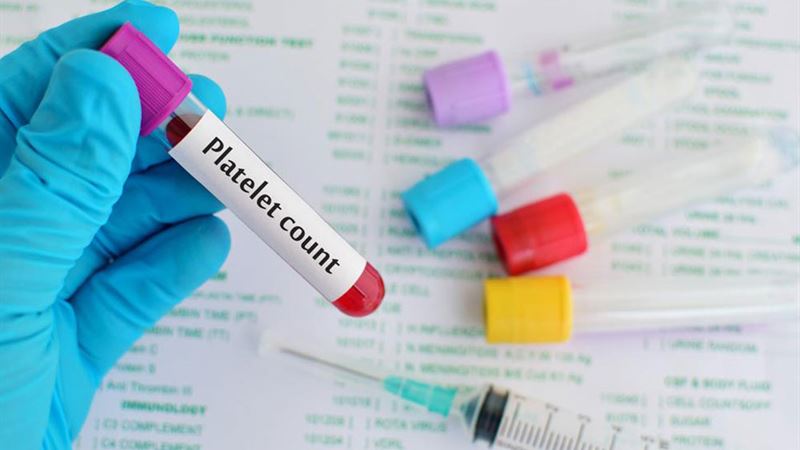
- Common Causes of Low Platelet Levels Related to Medications and Toxins:
Serious reductions in platelet counts can often be traced back to the use of certain pharmaceuticals, exposure to toxic substances, or excessive alcohol intake. Specific drugs, especially those aimed at preventing clot formation or managing certain health conditions, may interfere with normal platelet production or function. For example, medications like heparin, eptifibatide, and tirofiban, which are used as anticoagulants, might lead to low platelet counts. Over-the-counter drugs such as acetaminophen, ibuprofen, and naproxen, as well as certain seizure medications and sulfonamides, have also been linked to thrombocytopenia. Additionally, substances like quinine — found in tonic water and certain tablets used for leg cramps — can decrease platelet counts. Toxic exposures to pesticides, arsenic, benzene, and other hazardous chemicals may also impair platelet production or accelerate their destruction, leading to a decreased count. Heavy alcohol consumption is another notable factor that can suppress bone marrow activity or increase platelet destruction, further complicating health scenarios. Understanding these chemical and pharmacological influences is crucial in assessing risk factors and managing patient health effectively.
- Medical Conditions That Lead to Reduced Platelet Numbers:
Numerous health issues may cause low platelet counts, which can generally be categorized into two primary mechanisms: decreased production of platelets or increased destruction and sequestration. One major factor in decreased production is damage or impairment of the bone marrow, where platelets are generated. Conditions such as leukemia and other blood cancers directly affect marrow function, significantly reducing platelet synthesis. Similarly, certain types of anemia, which involve deficiencies in red blood cells, may also impact platelet production. Viral infections, including hepatitis C and HIV, are known to cause a decline in platelet count as a secondary effect. Pregnancy-related changes might also temporarily affect platelet levels; during pregnancy, immune-related mechanisms can cause mild platelet destruction, but these typically revert after delivery. An enlarged spleen, a condition called splenomegaly, can trap a large number of platelets, preventing their circulation within the blood. This condition often stems from underlying health issues like infections or blood disorders, contributing to lower platelet levels. Recognizing the underlying medical causes is vital for targeted treatment, whether it involves addressing the infection, treating the cancer, or managing spleen-related complications. Proper diagnosis and intervention are essential for restoring healthy platelet levels and overall well-being.