
Everything You Need to Know Before Purchasing a Used Muscle Car
Discover everything essential for buying a used muscle car, from understanding its manufacturing history and assessing structural integrity to navigating legal paperwork and insurance considerations. This comprehensive guide helps enthusiasts make informed decisions to find their perfect vintage muscle vehicle while avoiding costly pitfalls.
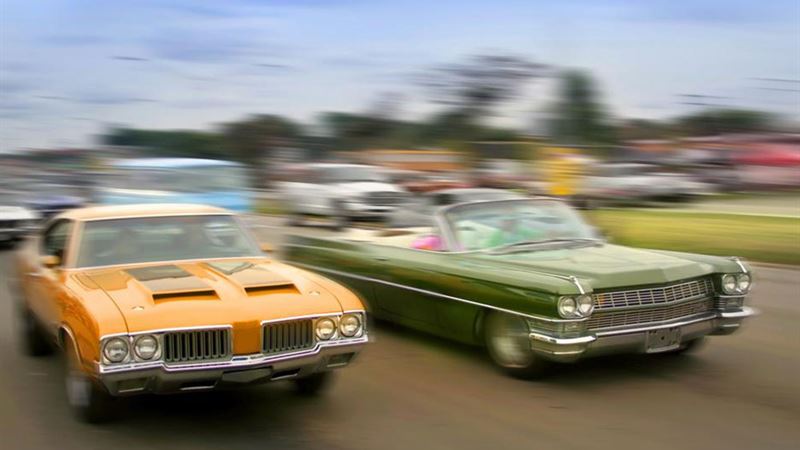
If you're passionate about classic automobiles and have always dreamed of owning a vintage muscle car, it's essential to understand the nuances involved in buying a used one. Muscle cars have a storied history, symbolizing raw power, aggressive styling, and American automotive ingenuity. Despite the surge of luxury and high-performance supercars in recent years, the timeless appeal of muscle cars continues to resonate with enthusiasts and collectors alike. This comprehensive guide will walk you through the critical aspects of purchasing a used muscle car, ensuring you make an informed decision and find a vehicle that fits your passion and practical needs.
Historically, muscle cars were an epitome of American automotive craftsmanship. They emerged in the 1960s and early 1970s as affordable yet powerful vehicles designed for performance and style. During that era, these cars were often handcrafted, with skilled workers assembling and calibrating each component manually. This human-centric approach contributed to their robust performance but also meant that their mechanisms—and potential issues—could vary widely from one vehicle to another. When you consider buying a vintage muscle car today, understanding its manufacturing background helps in assessing its condition and value.
Modern muscle cars, however, are produced differently. Automakers now utilize automated assembly lines equipped with multi-axis robotic arms that precisely assemble and install components, ensuring consistency across vehicles. Despite this technological shift, many parts of these vehicles, such as the powertrain, especially in classic models, remain intricate and require specialized knowledge for maintenance and repairs. As a prospective buyer, it’s crucial to familiarize yourself with these technical details to ensure you’re equipped to maintain or restore the vehicle properly.
One of the defining features of muscle cars is their durable yet sensitive exterior and interior. While their engines—particularly iconic V8s with cast iron blocks—are known for longevity, their external body parts are more susceptible to environmental damage. For example, if you leave a muscle car exposed to the elements like rain or snow, the exterior panels, hinges, and other exposed metal parts may develop rust over time. Rust can compromise both aesthetics and structural integrity. The engine, however, may continue to roar with minimal issues if properly maintained. Nonetheless, rusted body panels are a common problem in older muscle cars, emphasizing the importance of a covered storage area such as a garage or shed.
Another financial consideration is insurance. Insuring a used muscle car can be costlier than insuring regular sedans or economy models due to their high-performance capabilities and historical value. Expect that premiums might be significantly higher, so factor this into your budget before making a purchase. Additionally, restoring and maintaining a muscle car can add to your overall costs, especially if the vehicle requires extensive work or upgrades.
Legal and documentation aspects are equally vital. Since these cars might have changed hands multiple times, verifying their legality is necessary. Ensure that the vehicle complies with emission standards, which vary by region, and that it holds all the requisite paperwork—registration, title, service records, and inspection reports. Websites like AutoTrader, FossilCars, and ClassicCar.com are excellent platforms for finding well-maintained, legally compliant used muscle cars. Prioritize cars with clear histories, documented maintenance, and verified legal status to minimize risks and unforeseen expenses.
Before you finalize a purchase, conduct a thorough inspection or hire a professional mechanic experienced with vintage muscle cars. Look for signs of rust, frame damage, engine condition, and overall wear and tear. A test drive can reveal issues with suspension, steering, or transmission that could be costly to repair later. Remember, many used muscle cars may have been modified or restored, so understanding the modifications made is crucial for evaluating originality and value.
Furthermore, while owning a muscle car can be an exhilarating experience, it’s essential to balance passion with practicality. Consider how often you’ll use the vehicle, the cost of upkeep, and storage conditions. A pristine muscle car in mint condition can be a valuable collector’s item, but neglecting its needs or exposing it to adverse elements can quickly diminish its value and performance.
In conclusion, purchasing a used muscle car is a rewarding but complex venture that demands careful research, inspection, and budgeting. Embrace your passion for these iconic vehicles but do so with a keen eye for detail and a clear understanding of the costs involved. By following these guidelines, you’ll significantly increase your chances of acquiring a true classic that not only fulfills your automotive dreams but also remains a source of pride and joy for years to come.