
Comprehensive Guide to Infant and Toddler Vaccination Timelines
Discover a detailed guide to the infant and toddler vaccination schedule, including timing, vaccine types, and important safety information. Proper immunization is essential for protecting young children from serious diseases, with expert advice to help parents follow the recommended timeline effectively. Stay informed and ensure your child's health is safeguarded with this comprehensive vaccination overview.
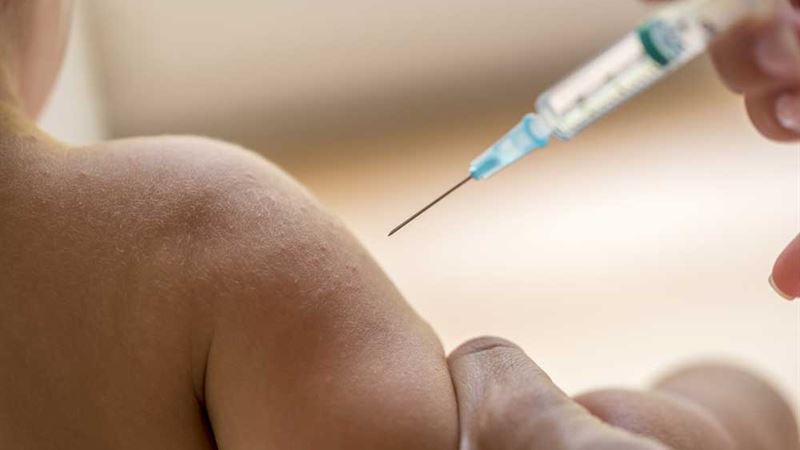
Understanding the Vaccination Timeline
The vaccination schedule for young children is a structured plan that specifies when each vaccine should be administered, based on age and health considerations. Following this schedule ensures that your child builds immunity early in life, providing essential protection during critical developmental stages. Deviating from the recommended schedule should only be done under medical supervision to address individual health needs.
- Hepatitis B Virus (HepB) – Typically administered in three doses. The first dose is given at birth, which is critical for providing early protection against hepatitis B infection. The second dose is usually given at one to two months, and the final dose between six to eighteen months. Many states require children to have completed the HepB series before entering school, ensuring long-term immunity.
- Rotavirus (RV) – This vaccine protects against rotavirus, a common cause of severe diarrhea in young children. Depending on the vaccine used, it can be given in either two or three doses. The first dose is usually administered at six weeks of age, with subsequent doses spaced appropriately. Completing this series helps prevent dehydration and hospitalization due to rotavirus infections.
- Haemophilus influenzae type b (Hib) – To shield children from bacteria that can cause bacterial meningitis, Hib is administered in three or four doses, starting around two months of age. The schedule generally includes doses at two, four, and six months, with a booster shot between twelve and fifteen months. This vaccination is vital in preventing life-threatening bacterial infections.
- Diphtheria, Tetanus, and Pertussis (DTaP) – This combination vaccine is administered in a series of five doses during early childhood. The initial doses are given at two, four, and six months, followed by booster shots at 15-18 months and four to six years. Adolescents and adults also need booster doses to maintain immunity. DTaP plays a significant role in preventing serious respiratory diseases and pertussis outbreaks.
- Inactivated Poliovirus Vaccine (IPV) – To protect against poliomyelitis, IPV is administered in four doses, typically at two, four, six to eighteen months, and between four and six years of age. Complete immunization effectively prevents the spread of polio, which can cause paralysis and other severe neurological complications.
- Pneumococcal Conjugate Vaccine (PCV) – This vaccine safeguards against pneumococcal infections, including pneumonia, meningitis, and bloodstream infections. The vaccination series consists of four doses, starting at two months and concluding around one year of age. Proper administration significantly reduces disease risk and hospitalizations in young children.
- Measles, Mumps, and Rubella (MMR) – A vital combined vaccine, MMR is typically administered in two doses. The first dose is given between 12 and 15 months, with the second dose usually between four and six years. This schedule helps prevent outbreaks of these highly contagious viral diseases, which can cause complications such as pneumonia, encephalitis, and deafness.
- Hepatitis A (HepA) – Given in two doses, HepA is usually administered to children aged 12 to 23 months. The doses are spaced apart by at least six months. Vaccinating against hepatitis A provides robust protection for life, preventing serious liver infections and associated complications.
- Varicella (Chickenpox) – This vaccine protects against chickenpox and is given in two doses, typically starting at 12 months of age. The second dose is administered 3 to 4 months after the first. Immunization against varicella prevents severe complications, including bacterial infections and pneumonia.
While the CDC provides standard recommendations for the child vaccination schedule, individual health circumstances may warrant adjustments. It is crucial for parents to consult with pediatric healthcare providers for personalized guidance, ensuring optimal timing and coverage for each child's immunizations. Staying vigilant about vaccine schedules not only protects your child's health but also contributes to community immunity, preventing the resurgence of preventable diseases.