
Comprehensive Immunization Guide for Infants and Young Children: A Complete Schedule
This comprehensive vaccination guide outlines the recommended immunization schedule for infants and young children from birth to six years old. It emphasizes the importance of timely vaccinations to prevent serious illnesses, detailing the vaccines needed at each developmental stage. The article also highlights updates and additional vaccines for older children and international travel, reassuring parents and caregivers about the importance of adhering to the immunization timeline for optimum child health and community safety.
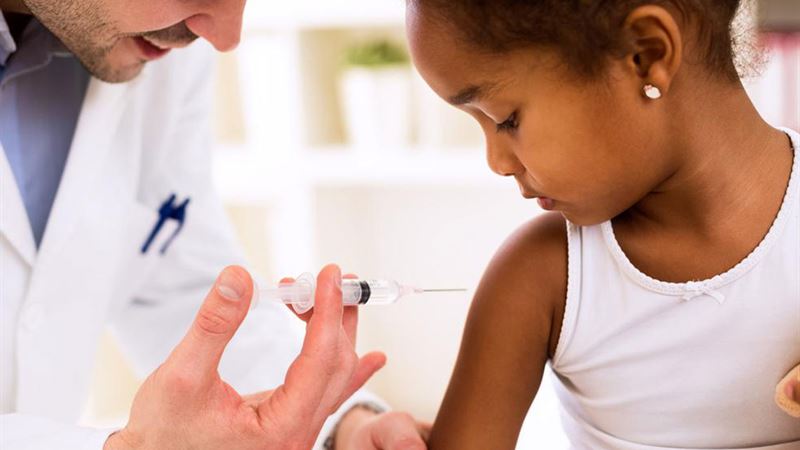
- At Birth: Hepatitis B (HepB) vaccine is administered to prevent hepatitis B virus infection, which can cause chronic liver disease and other severe health issues later in life. This first dose is crucial as it establishes early immunity.
- Between the first and second months: The vaccination routine in this period includes several critical vaccines:
- Rotavirus vaccine, which protects against severe diarrhea caused by rotavirus, is administered orally to bolster immunity against common gastrointestinal illnesses.
- DTaP vaccine (Diphtheria, Tetanus, and Pertussis) is given via injection to prevent potentially deadly bacterial infections.
- Hib vaccine combats Haemophilus influenzae type b, responsible for meningitis and pneumonia.
- Pneumococcal conjugate vaccine (PCV) protects against pneumococcus bacteria, which can cause pneumonia, meningitis, and bloodstream infections.
- Inactivated Polio Vaccine (IPV) is used to prevent poliomyelitis, a crippling viral disease.
- By the fourth month, infants typically receive the same set of vaccines: Rotavirus, DTaP, Hib, PCV, and IPV. These doses help reinforce initial immunity and ensure ongoing protection against these serious diseases.
- At six months, infants are commonly given Rotavirus, DTaP, Hib, and PCV vaccines. The IPV may be administered again depending on the specific vaccine brand used. These doses are critical in establishing and strengthening immunity during rapid growth stages.
- Children in this age group should receive annual influenza (flu) vaccines to protect against seasonal strains.
- Measles, Mumps, and Rubella (MMR) vaccines are crucial for preventing these highly contagious viral diseases.
- Varicella vaccine safeguards against chickenpox, a common childhood illness that can lead to serious complications.
- Hepatitis A vaccination is recommended to prevent the infectious hepatitis A virus.
- Between the ages of four and six, children typically receive booster doses of DTaP, IPV, MMR, and Varicella vaccines to reinforce immunity acquired earlier.
- As children grow older, the vaccination schedule expands to include additional shots. These include four types of meningococcal vaccines (protecting against Neisseria meningitidis), HPV vaccines for cancer prevention, yearly influenza shots, and a second dose of the Varicella vaccine for complete immunity.
- Furthermore, for children traveling internationally, the CDC recommends additional vaccinations against diseases prevalent in other parts of the world, such as yellow fever, typhoid, and hepatitis B, depending on destinations and exposure risks.
Following the recommended vaccination timeline is essential because it ensures optimal immune response during critical developmental windows. Vaccines work best when administered early and in the correct sequence, providing a lifetime shield against various infectious diseases. Preventing these illnesses not only spares children from potential health crises but also reduces the burden on healthcare systems and supports overall public health initiatives.
Parents should work closely with pediatricians or healthcare professionals to customize vaccination plans based on the child’s health status, local guidelines, and specific needs. Healthcare providers can also address concerns, provide detailed information about each vaccine, and manage any adverse reactions or special circumstances, such as immunocompromised children.