
Comprehensive Guide to Recognizing and Understanding Eyelid Inflammation Symptoms and Causes
This comprehensive article provides in-depth insights into the causes, symptoms, and preventive measures for eyelid inflammation. It covers common and serious medical conditions, emphasizing the importance of eye hygiene and prompt treatment to maintain eye health and prevent complications, making it a valuable resource for individuals experiencing eyelid swelling or inflammation.
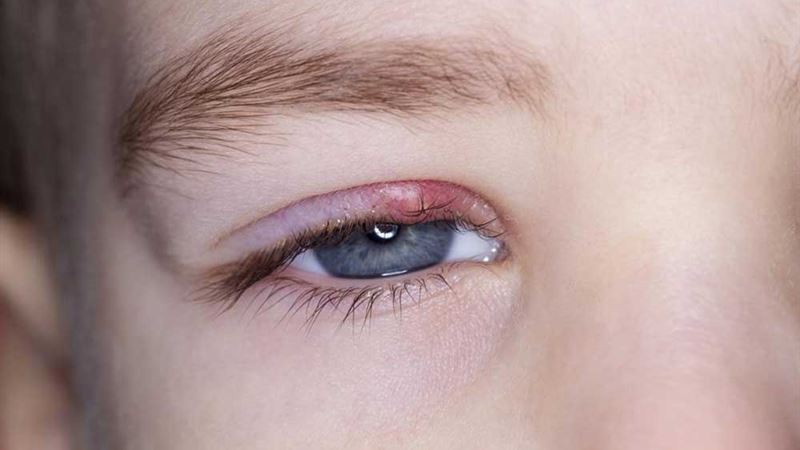
The condition of swollen or inflamed eyelids is a common health concern that can stem from various underlying factors. Understanding these contributing causes is essential for effective prevention and treatment. This extensive guide aims to shed light on the main symptoms, underlying causes, and preventive measures associated with eyelid inflammation, enabling individuals to identify issues early and seek appropriate medical advice.
**Common Causes of Eyelid Inflammation**
The causes of eyelid swelling are diverse and often interconnected. Recognizing the specific cause is crucial for targeted treatment. Below are some of the most prevalent reasons behind eyelid inflammation:
**Additional Factors Contributing to Eyelid Swelling**
Beyond the primary causes, other factors can also provoke eyelid inflammation. Recognizing these can help in managing and preventing future occurrences:
**Serious Medical Conditions Associated with Eyelid Inflammation**
In some cases, eyelid swelling signals underlying severe health issues that require urgent medical attention:
**Preventive Measures and Eye Care Tips**
Maintaining good ocular health is key to preventing eyelid inflammation. Some essential tips include:
In conclusion, understanding the symptoms and causes of eyelid inflammation empowers individuals to seek timely medical intervention, maintain eye health, and prevent complications. Regular eye check-ups, proper hygiene, and attention to environmental factors significantly contribute to ocular well-being and comfort.
**Common Causes of Eyelid Inflammation**
The causes of eyelid swelling are diverse and often interconnected. Recognizing the specific cause is crucial for targeted treatment. Below are some of the most prevalent reasons behind eyelid inflammation:
- Allergic Reactions: Allergic responses are among the leading causes of eyelid swelling. The immune system reacts adversely to external allergens such as pollen, dust particles, pet dander, certain eye drops, and contact lens solutions. Additionally, certain cosmetic products like eye makeup can also trigger allergic reactions, leading to inflamed or swollen eyelids.
- Conjunctivitis (Pink Eye): An infection affecting the conjunctiva, the transparent membrane covering the sclera and inner eyelids, can cause swelling. Conjunctivitis may be caused by viruses, bacteria, or allergies and often accompanies redness, itching, and discharge. This condition requires prompt attention to prevent complication.
- Styes (Hordeolum): These are small, painful bumps that develop along the edges of the eyelids. Styes result from bacterial infection and inflammation of the meibomian glands located near the eyelash follicles. They often resemble pimples and can cause significant discomfort.
- Physical Injuries: Any trauma or injury around the eye area, including scratches, blows, or accidental pokes, can lead to swelling and inflammation of the eyelids. Proper wound care and medical consultation are necessary to prevent infection and complications.
**Additional Factors Contributing to Eyelid Swelling**
Beyond the primary causes, other factors can also provoke eyelid inflammation. Recognizing these can help in managing and preventing future occurrences:
- Contact Lens-Related Infections: Improper handling, hygiene, or prolonged wear of contact lenses can harbor bacteria or fungi, leading to infections that cause eyelid swelling and discomfort.
- Blepharitis: This chronic condition involves inflammation of the eyelid margins often caused by bacterial infection, skin conditions like dandruff, or malfunctioning oil glands. Symptoms include redness, itching, flaky skin, and swelling.
- Chalazion: Blockage of the meibomian glands results in the formation of a firm, painless cyst known as chalazion. Although typically not painful, chalazion may cause swelling and discomfort when inflamed or enlarged.
- Crying: Excessive crying leads to fluid accumulation around the eyes, resulting in swollen eyelids. This is a temporary condition, usually resolving with rest and hydration.
**Serious Medical Conditions Associated with Eyelid Inflammation**
In some cases, eyelid swelling signals underlying severe health issues that require urgent medical attention:
- Orbital Cellulitis: A serious bacterial infection involving the tissues surrounding the eye, leading to painful swelling, redness, fever, and potential vision loss if untreated. This infection demands immediate medical care.
- Ocular Herpes: Caused by the herpes simplex virus, this viral infection affects the eyelid and eye tissues, resulting in painful sores, swelling, and inflammation. Early antiviral treatment can prevent complications.
- Graves' Disease: An autoimmune disorder affecting the thyroid gland, leading to increased hormone production. Symptoms include puffy, swollen eyelids, bulging eyes, and discomfort.
**Preventive Measures and Eye Care Tips**
Maintaining good ocular health is key to preventing eyelid inflammation. Some essential tips include:
- Regularly washing your eyes with gentle cleanser helps remove dirt, allergens, and bacteria.
- Avoid exposure to blinding bright lights or environmental toxins such as smoke, fumes, or chemicals.
- Adhere strictly to contact lens hygiene guidelines, including proper cleaning and timely replacement.
- Ensure adequate sleep and rest for your eyes to recover and function optimally.
- Manage allergies efficiently by avoiding known allergens and consulting healthcare providers for treatment.
In conclusion, understanding the symptoms and causes of eyelid inflammation empowers individuals to seek timely medical intervention, maintain eye health, and prevent complications. Regular eye check-ups, proper hygiene, and attention to environmental factors significantly contribute to ocular well-being and comfort.