
Comprehensive Guide to Managing and Naturally Healing Dry Eyes
Discover comprehensive information about dry eyes, including causes, symptoms, diagnosis methods, and natural remedies. Learn how lifestyle changes and home treatments can alleviate dry eye discomfort, and know when to seek professional care for lasting relief and eye health preservation.
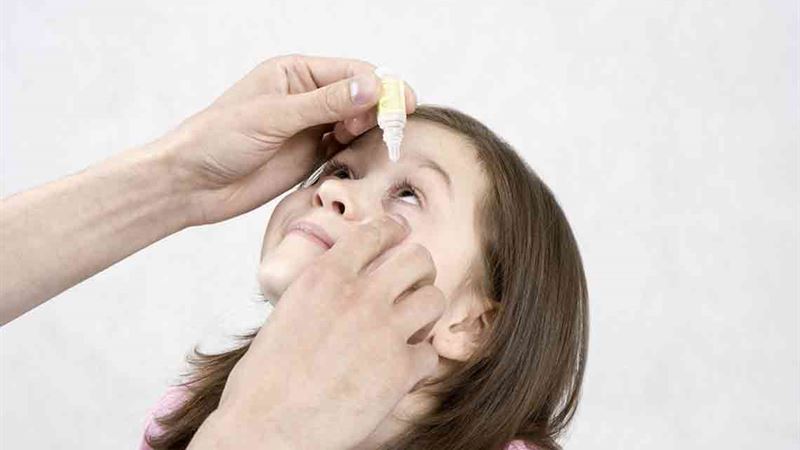
Dry eyes, medically known as keratoconjunctivitis sicca, is a common eye condition that results from insufficient tear production or poor tear quality. If you're experiencing persistent dryness, itching, or redness in your eyes, it may be the early sign of chronic dry eye syndrome. Understanding the causes, symptoms, diagnosis methods, and natural remedies can help you manage and alleviate this condition efficiently.
Dry eye syndrome occurs when the eyes do not produce enough tears or the tears evaporate too quickly. The resulting dryness can lead to discomfort, impaired vision, and increased risk of eye infections. This condition affects people of all ages but is particularly prevalent among older adults, women during hormonal changes like menopause, and individuals with certain medical conditions.
Understanding the root causes of dry eyes is essential for effective treatment. Factors contributing to dry eye syndrome include environmental influences, lifestyle choices, hormonal fluctuations, and underlying health issues. The following outlines the primary causes:
- Low-quality tears that lack adequate lubrication
- Insufficient tear production due to aging or medical conditions
- Environmental factors such as dry or windy climates, exposure to smoke, and pollution
- Prolonged exposure to digital screens, televisions, and smartphones leading to reduced blinking
- High exposure to air conditioning, central heating, or hot, dry environments
- Natural aging process impacting tear production and eyelid function
- Hormonal changes related to pregnancy, menopause, or oral contraceptive use
- Extended contact lens wear causing irritation and decreased tear stability
- Medical conditions such as rheumatoid arthritis, diabetes, thyroid disorders, and autoimmune diseases
- Inflammation of eyelids or eye surface, known as blepharitis
- Previous eye surgeries, including LASIK, which can affect tear production
Diagnosing dry eye syndrome involves a comprehensive assessment performed by an eye care professional. The process typically includes:
- Detailed medical history evaluation to identify underlying health issues
- Visual examination and assessment of eyelid and tear film health
- Measurement of tear production using Schirmer's test
- Evaluation of tear quality, stability, and evaporation rates
- Use of dyes like fluorescein or lissamine green to detect corneal or conjunctival damage from dryness
- Assessment under bright light and magnification to examine eyelids and tear film
The clinical examination helps determine the severity of dry eyes and guides targeted treatment strategies. It is critical to consult a licensed ophthalmologist or optometrist for an accurate diagnosis and personalized management plan.
For mild cases, several natural home remedies can provide relief and possibly prevent progression. These methods focus on enhancing tear production, reducing environmental stressors, and maintaining overall eye health. Some effective remedies include:
- Increasing blink rate by consciously blinking more frequently, especially during screen time, to distribute tears evenly across the eye surface
- Staying well-hydrated by drinking plenty of water daily to support tear production
- Wearing wraparound sunglasses in windy, sunny, or dusty environments to protect eyes from irritants
- Incorporating an omega-3 fatty acid-rich diet, including sources such as fatty fish (salmon, mackerel), flaxseeds, walnuts, and leafy greens, to improve tear quality and reduce inflammation
- Using lubricating eye drops or artificial tears recommended by your eye care professional to keep eyes moist
- Adding chia seeds to your diet for their anti-inflammatory properties and omega-3 content
- Performing prescribed eye exercises to strengthen eyelid muscles and stimulate tear production
- Applying warm compresses to eyelids to unblock glands responsible for tear secretion
- Cleaning eyelids gently with baby shampoo or eyelid wipes to reduce blepharitis and inflammation
- Creating a humid environment at home or workplace using a humidifier to prevent tear evaporation
- Taking regular breaks from digital screens, adopting the 20-20-20 rule (every 20 minutes, look at something 20 feet away for 20 seconds)
While home remedies can be beneficial, persistent or severe symptoms require professional intervention. If symptoms do not improve or worsen despite using natural remedies, consulting an eye care specialist is essential. Additionally, seek medical attention if you experience:
- Persistent dryness that does not respond to over-the-counter treatments
- Eye injuries or accidents affecting tear glands
- Symptoms of dry mouth, which may indicate systemic conditions
- Redness, swelling, or pain that persists or increases
Effective management of chronic dry eye involves a combination of medical treatments, lifestyle modifications, and nutritional support. Early diagnosis and consistent care can significantly improve quality of life by reducing discomfort and preventing complications.