
Comprehensive Guide to Unpurchased Electric Vehicles: Insights and Strategies
Explore the comprehensive reasons behind unsold electric vehicles, discover effective strategies for buyers to find discounts, and learn how market factors influence EV pricing. This in-depth guide helps you turn surplus inventory into smart purchasing opportunities, ensuring you get the best electric vehicle deal while understanding the broader industry trends and challenges.
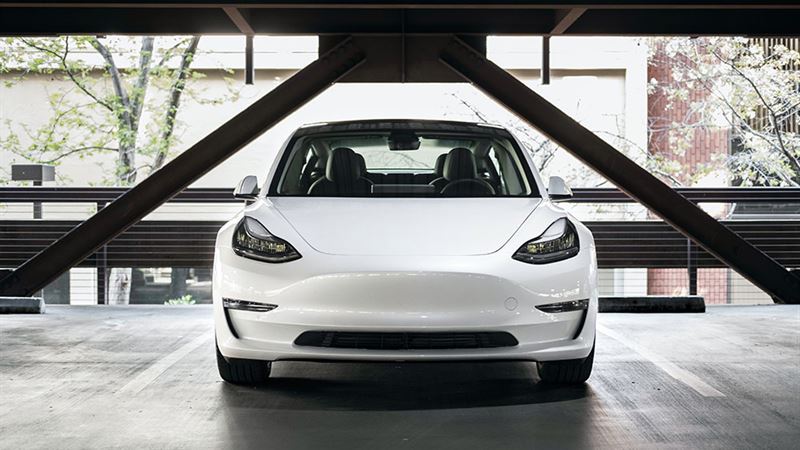
Understanding Why Some Electric Vehicles Remain Unsold
Electric vehicles, although popular, do not always translate into immediate sales for dealerships. Various factors influence why certain electric car models languish unsold on showroom floors or storage lots. Recognizing these underlying causes can help buyers make informed decisions and help manufacturers optimize their offerings.
Features That Do Not Align With Consumer Expectations
While the EV market is expanding, some manufacturers include features that may not resonate with the average buyer. Often, these features are added to enhance a vehicle’s appeal but inadvertently inflate costs or complicate user experience. For example, overly complex infotainment systems, unnecessary premium upgrades, or niche technological integrations can deter potential buyers who are seeking straightforward, reliable, and affordable transportation options. When a car's features do not match the preferences of the target demographic, its marketability diminishes, leading to surplus inventory.
Manufacturing and Quality Control Issues
Cars returned from production with visible defects like faulty paintwork, misaligned panels, scratches, or loose parts face rejection from dealerships. Quality concerns damage the brand’s reputation, reducing consumer confidence. Manufacturers often withdraw defective units from retail, sending only vehicles that meet quality standards. Sometimes, these returns or rejections result in a backlog of vehicles that have not passed quality controls, culminating in unsold stock. Buyers' apprehension about potential repairs or defects further discourages purchase, especially if warranties and after-sales services are not prominently advertised.
The Intensity of Market Competition
The automotive industry is characterized by fierce competition, with automakers launching new models frequently to capture consumer interest. When multiple brands release vehicles with similar features, price ranges, and technological advancements, differentiating one brand from another becomes challenging. If a new model lacks innovative features, or if it is priced higher than comparable alternatives, consumers tend to opt for more appealing or cost-effective options. Consequently, some models fail to gain traction, leading to high inventory levels in dealerships.
Lack of Effective Marketing and Advertising
Even the most advanced electric vehicles can struggle with sales if potential customers are unaware of their existence or benefits. Insufficient marketing efforts, limited advertising campaigns, or poor visibility during product launches can result in low public recognition. When promotional budgets are constrained, dealerships may not highlight these vehicles adequately, causing missed sales opportunities. Without strong brand messaging and marketing support, even excellent EV models may remain unsold, especially in new or emerging markets.
Strategies for Finding Discounted Unsold Electric Vehicles
If you're contemplating purchasing an electric vehicle, hunting for unsold or discounted models can offer substantial savings. Here are practical tips to help you secure the best deal on a quality EV that has not yet found a buyer:
Conduct Thorough Market Research and Compare Models
Before committing to a purchase, invest time in researching various electric vehicles and understanding their features, specifications, and market positioning. Popular models such as the BMW i3, Audi e-Tron, Kia Niro EV, Ford Mustang Mach-E, and Jaguar I-PACE often have older or unsold variants available at attractive prices. By comparing these models, you can identify which vehicles offer the best value for your budget. Keep an eye on features, battery technology, range, charging options, and warranty coverage.
Buy From Authorized and Reputable Dealerships
Ensure you purchase from licensed dealerships known for maintaining high standards of vehicle upkeep and documentation authenticity. Reputable dealers often provide certified pre-owned EVs with warranties and after-sales support, giving you peace of mind about your investment. Authorized dealers also have access to the latest inventory reports, including unsold stock, making it easier for you to negotiate favorable prices.
Timing Your Purchase During Promotional Sales
Dealerships frequently host sales events, often tied to holiday seasons, year-end clearances, or special promotional periods. Waiting for annual sales events could allow you to acquire an unsold electric vehicle at a significantly reduced price. End-of-year clearance sales are particularly advantageous for buyers seeking substantial discounts on models that have not moved in the current sales cycle.
Opt for Older or Discontinued Models
Older model years generally come with fewer modern features but are available at lower prices. These vehicles still offer the core benefits of electric driving, such as zero emissions and lower maintenance costs. If technological advancements are not your primary concern, these models can provide excellent value and reliable performance at a fraction of the cost of new releases.
Consider the Terms of Warranty and After-Sales Support
An electric vehicle’s after-sales service, including warranty coverage and charging infrastructure support, can influence your total ownership costs. Confirm that the dealership offers comprehensive warranties, especially on key components like the battery and electric motor. Good after-sales support ensures fewer repair hassles and can save you considerable money over the vehicle's lifespan.
Factors That Influence the Price of Unsold Electric Vehicles
Pricing for unsold EVs varies significantly based on several determinants. Understanding these factors helps consumers negotiate better deals while also enabling manufacturers to plan their inventory management strategically.
Brand Reputation and Model Popularity
The perceived prestige associated with a brand influences its pricing. Luxury manufacturers like BMW, Audi, and Jaguar tend to price their vehicles higher due to brand prestige, advanced features, and build quality. Conversely, lesser-known brands typically price their models more competitively, which can make them attractive options for budget-conscious buyers.
Market Supply and Demand Dynamics
If a particular electric vehicle model has excessive supply in the market and demand is low, prices tend to fall to stimulate sales. During such periods, dealerships are eager to clear inventory, often offering attractive discounts and incentives. This oversupply is often seen toward the end of a model's lifecycle or when newer variants are introduced.
Specifications and Technological Features
The features incorporated into an EV greatly affect its cost. Vehicles equipped with superior battery technology, longer range, fast-charging capabilities, advanced driver assistance systems, and premium interiors are priced higher, sometimes disproportionately so compared to basic models. Buyers should assess whether these features align with their needs to avoid overpaying for unnecessary extras.
Battery Technology and Capacity
The battery remains the most critical component of an electric vehicle, directly impacting performance and range. Batteries with extended lifespan, fast-charging capabilities, and higher capacity command premium prices. Unsold vehicles with older or lower-capacity batteries tend to be more affordable, making them attractive for budget-sensitive customers.
Vehicle Age and Current Condition
Older models or those with higher mileage naturally cost less, especially if they show signs of wear or outdated features. These vehicles can be an excellent choice for buyers seeking affordable electric options without the latest technological advancements. Always inspect the vehicle condition thoroughly and verify battery health before purchase.
Expert Tips for Securing the Best Deals on Unsold Electric Vehicles
With the right approach, purchasing an unsold electric vehicle can be a rewarding experience, blending affordability with quality. Here are key strategies to maximize your savings:
Perform Detailed Comparisons and In-Depth Research
Investigate various models, their features, and prices across different dealerships. Use online resources, review platforms, and forums to understand common issues and benefits associated with specific EVs. Pay close attention to the models' age, condition, and battery health, especially when considering older or unsold inventory.
Target Authorized and Certified Dealerships
Working with authorized dealers ensures that you acquire vehicles that meet quality and safety standards. Certified pre-owned EVs typically come with extended warranties and verified histories, reducing the risk of future costs. These dealerships often provide detailed vehicle histories and certify that the car has passed quality checks.
Strategize Your Purchase Timing
Plan to buy during dealership promotional periods, which often coincide with holidays, year-end clearances, and model transition periods. During these times, dealers are more motivated to reduce inventory, including unsold electric vehicles, offering substantial discounts.
Choose Models Based on Your Needs and Budget
While high-end features are appealing, they are not always necessary. Opting for a reliable, older, or less feature-rich model can save you significant money while still providing the benefits of electric driving. Focus on battery range, charging options, and warranty coverage to ensure value for money.
Check for Comprehensive Warranty and After-Sales Support
Ensure that your chosen vehicle comes with solid warranty coverage, particularly on the battery and electric components. Good after-sales service reduces long-term maintenance costs and enhances your ownership experience, especially for pre-owned or older EV models.
Conclusion: Turning Unsold Inventory Into Opportunity
While some electric vehicles remain unsold for various reasons, they represent a unique opportunity for budget-conscious consumers. By understanding market dynamics, conducting diligent research, and timing your purchase strategically, you can acquire quality EVs at significantly reduced prices. Whether for personal use or investment purposes, these vehicles offer a sustainable transportation solution that, with the right approach, can deliver exceptional value.