
Ultimate Guide to Extending Food Freshness with the Right Freezing Solutions
Discover comprehensive tips for choosing the ideal freezer and maintaining proper storage practices to keep your food fresh longer. Learn how to select between upright and chest freezers, organize your space efficiently, and ensure food safety through effective handling, packaging, and temperature control strategies for maximum freshness and nutritional retention.
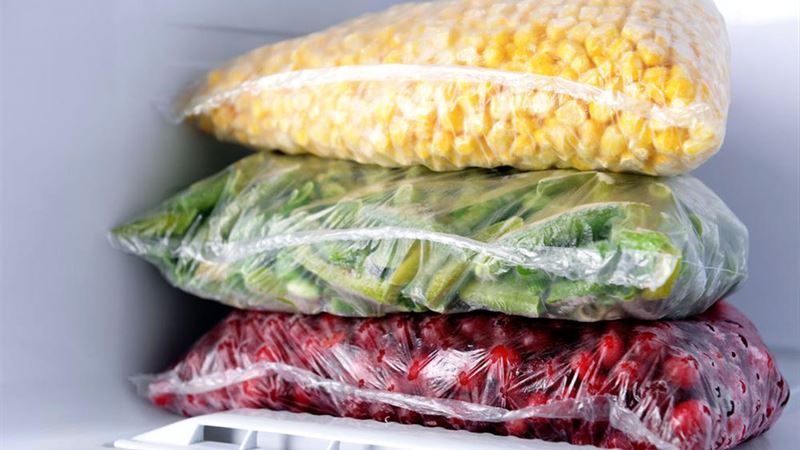
An informed choice of freezer depends on your daily routines, the volume of food storage, available space, and your specific requirements. Upright freezers, with their accessible shelving, are perfect for quick access to frequently used items, making them ideal for small families or individuals who prioritize convenience. On the other hand, chest freezers offer larger storage capacity, maintain consistent low temperatures longer, and are better suited for bulk storage, seasonal items, or large families. Understanding these distinctions helps you select the right appliance to fit your lifestyle and optimize your food preservation efforts.
Key Considerations for Optimal Food Storage in Freezers:
- Prioritize food safety by keeping raw meats, poultry, and seafood separate from cooked foods and vegetables. Use designated containers or sections to prevent cross-contamination.
- Maintain your freezer’s temperature at 0°F (-18°C) or below to inhibit bacterial growth and preserve food quality effectively.
- Freeze perishable items promptly, ideally within two hours of purchase or preparation, and consume them within recommended storage durations to prevent spoilage.
- Use high-quality, airtight containers such as shallow glassware or resealable freezer bags to protect food from freezer burn and facilitate efficient stacking and organization.
- Be cautious with fruits like bananas, avocados, peaches, plums, pears, and tomatoes. These release ethylene gas, which can accelerate spoilage of nearby produce. It’s better to store them at room temperature or refrigerate only if necessary.
- Wrap meats and delicate items securely using freezer wraps, vacuum-sealed bags, or Ziploc containers to maximize freshness and prevent freezer burn. Proper packaging ensures the flavors and textures are preserved for a longer period.
- Regularly clean and defrost your freezer to ensure efficient operation and prevent ice buildup that can reduce storage space and cooling efficiency.
- Label all stored items with dates to keep track of storage times and prevent consuming spoiled or expired food.
- Learn how to organize your freezer for easy access, designating specific zones for different types of food, which helps in maintaining an organized storage system and reduces food wastage.