
Understanding Kawasaki Disease: Causes, Signs, and Treatment Approaches
Kawasaki disease is an inflammatory condition affecting children, with causes linked to infections and genetics. Recognizing symptoms such as high fever, skin rashes, swollen extremities, and red eyes is crucial for early treatment. Prompt interventions like immunoglobulin therapy significantly reduce risks of lasting heart damage. Understanding its phases and management options enables parents and doctors to provide timely care, preventing severe complications. This comprehensive guide covers the causes, symptoms, diagnosis, and treatment strategies for Kawasaki disease, emphasizing the importance of early detection and consistent medical follow-up for optimal recovery.
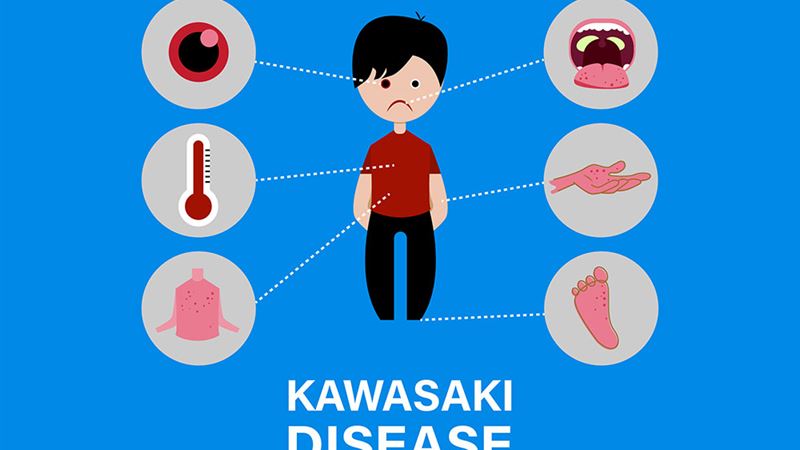
Kawasaki disease, a serious condition primarily affecting young children, is characterized by inflammation of blood vessels throughout the body. The precise cause of Kawasaki disease remains unknown, but research indicates a combination of infectious, genetic, and environmental factors may contribute to its development. Given its contagious nature, understanding how this disease spreads and manifests is essential for early detection and effective treatment.
Scientists believe that Kawasaki disease could be triggered by an abnormal immune response to infectious agents, possibly bacteria such as streptococci or staphylococci, which produce toxic substances called bacterial superantigens. These toxins may provoke the immune system to attack blood vessels, leading to vasculitis, or inflammation of blood vessel walls. This inflammation can cause significant damage to the cardiovascular system if untreated, including complications like coronary artery aneurysms.
In addition to infectious triggers, there is evidence to suggest that Kawasaki disease may have a genetic component. It appears to sometimes be inherited, with cases occurring more frequently within certain families or ethnic groups. This genetic predisposition might influence how an individual’s immune system reacts to environmental triggers or infections.
Recognizing the Signs and Symptoms of Kawasaki Disease
Since Kawasaki disease progresses through distinct phases, the symptoms can vary considerably over time. Awareness of these stages is crucial for parents and healthcare providers to facilitate early diagnosis and intervention.
- Initial or Acute Phase (up to two weeks)
- Sub-acute or Second Phase (up to two weeks)
- Convalescent Phase (several weeks)
This phase is characterized by sudden onset of high fever lasting several days, often exceeding 102°F (39°C). The fever may be persistent and unresponsive to typical antipyretics such as acetaminophen or ibuprofen. Alongside the fever, children often develop a distinctive rash, which can appear as pink or red patches on the skin. Their fingers and toes may become swollen, red, and hardened, sometimes causing pain and reluctance to move or crawl. The lips become dry, cracked, and red, with the tongue developing a strawberry appearance due to swollen and red papillae. The eyes may develop conjunctivitis without pus, and lymph nodes in the neck can become enlarged. Some children also experience irritability, abdominal pain, vomiting, and diarrhea during this phase.
This period often involves peeling of the skin on the palms and soles, and the rash may fade or become less prominent. However, other symptoms such as swollen joints, abdominal discomfort, and irritability may persist. Children might show signs of inflammation affecting internal organs. During this stage, treatment is especially crucial to prevent complications, particularly damage to heart arteries.
Symptoms gradually improve, and fever resolves. Despite outward recovery, the underlying inflammation may continue to affect the internal organs and blood vessels. Some children may remain fatigued or have lingering joint pain. Medical follow-up is necessary to monitor heart health and prevent long-term cardiovascular issues.
Diagnosing Kawasaki Disease
Diagnosis mainly relies on clinical criteria, as there is no specific laboratory test for Kawasaki disease. Healthcare providers look for signs such as persistent fever, rash, swollen lymph nodes, redness in the eyes, mouth, and lips, as well as changes in extremities. Blood tests may reveal elevated inflammatory markers like ESR and CRP, anemia, and increased white blood cell count. Echocardiograms are commonly used to assess coronary artery involvement in suspected cases.Effective Treatment Strategies
Prompt treatment is vital to reduce the risk of lasting damage, especially to the heart. The standard therapy includes high-dose intravenous immunoglobulin (IVIG) administered within the first ten days of illness. This helps decrease inflammation and lowers the risk of aneurysm formation. Aspirin is also prescribed for its anti-inflammatory and blood-thinning properties, aiding in preventing blood clots in affected coronary arteries.Long-term Management and Precautions
Children recovering from Kawasaki disease require ongoing cardiology follow-up, including periodic echocardiograms to monitor the coronary arteries. Most children recover fully with timely treatment, but some may experience long-term heart issues like coronary artery aneurysms. Preventative measures include regular check-ups, maintaining a healthy lifestyle, and avoiding contact with infectious agents when possible. Awareness and early intervention are key to ensuring better health outcomes for children affected by Kawasaki disease.