
Recognizing the Early Warning Signs of Elevated Cholesterol Levels
Learn to identify the subtle signs of high cholesterol, including leg pain, stroke risk, and chest discomfort. Early detection can prevent serious heart and brain problems. Recognizing symptoms and maintaining regular health screenings are key to long-term cardiovascular health.
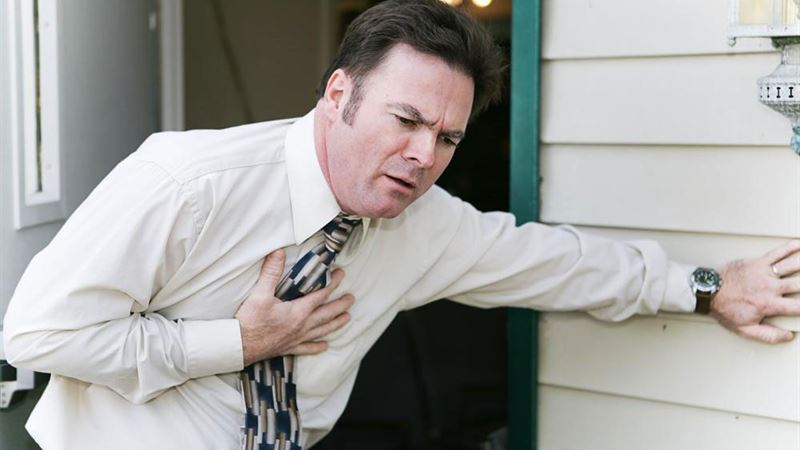
Elevated cholesterol levels, particularly high low-density lipoprotein (LDL) cholesterol, pose serious health risks by promoting the buildup of fatty deposits within arterial walls. These deposits can restrict blood flow, increase blood pressure, and heighten the risk of cardiovascular diseases such as heart attacks and strokes. Understanding the subtle signs and symptoms associated with high cholesterol is vital for early intervention and prevention. Lifestyle changes, regular screenings, and targeted treatments can significantly reduce health risks associated with high cholesterol levels.
Critical symptoms and indicators of high cholesterol include:
- Pain in the lower extremities: Reduced blood flow due to clogged arteries supplying the legs can lead to discomfort or pain during walking, signaling elevated LDL levels.
It’s important to note that high cholesterol doesn’t always present obvious symptoms. Many individuals may be unaware of their condition until more serious health issues develop. Regular health check-ups and blood tests are essential for early detection and management. Moreover, various mild symptoms can be identified through reputable medical websites, enabling individuals to take proactive measures against potential cardiovascular threats.