
Comprehensive Guide to Skin Rashes: Causes, Types, and Effective Treatment Options
Explore an in-depth guide to skin rashes, including causes, types, and expert treatment options. Learn how dermatologists diagnose and effectively manage infectious and non-infectious skin conditions. Discover lifestyle tips and dietary advice to support skin health and ensure speedy recovery from persistent rashes.
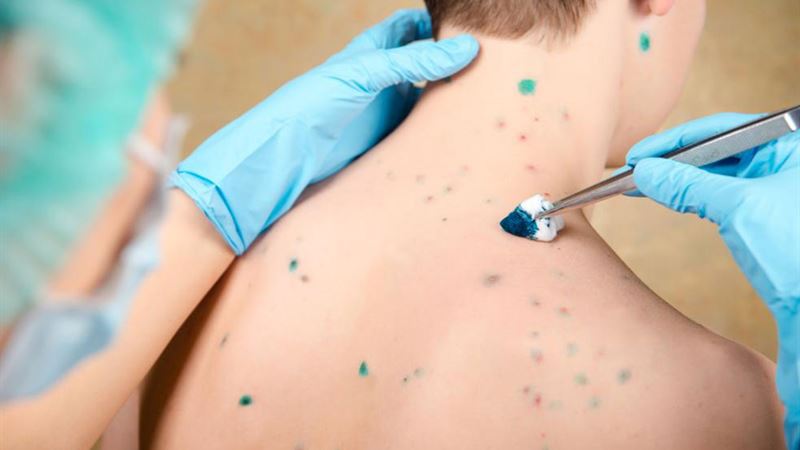
Understanding What a Dermatologist Does
A dermatologist is a medical expert who specializes in diagnosing, treating, and preventing skin-related conditions. They are often referred to as skin specialists and play a crucial role when common skincare routines fail to resolve persistent or complex skin issues. Consulting a dermatologist becomes essential when skin rashes are resistant to over-the-counter remedies or when the nature of the rash is unclear. A qualified dermatologist can provide precise diagnosis and tailored treatment plans that address underlying causes, ensuring effective healing and relief.
Skin rashes are diverse, and categorizing them helps in understanding their origin and appropriate treatment. The two primary classifications are infectious rashes and non-infectious rashes, each with distinct causes and management strategies. Recognizing the differences is vital for effective intervention and to prevent possible complications.
Infectious Skin Rashes: Causes and ManagementInfectious skin rashes surface as a result of a microbial invasion, including viruses, bacteria, fungi, or parasites. These infections can spread from person to person through contact, or via contaminated surfaces, and often require targeted medical treatment. The primary step in managing infectious rashes involves accurate identification of the causative agent along with prompt therapy aimed at eliminating the infection. Conditions such as scabies, shingles, ringworm, impetigo, and herpes are typical examples of infectious rashes. Each condition has specific symptoms and requires a tailored approach for effective treatment.
In cases of infectious rashes, doctors usually prescribe antiviral, antifungal, or antibacterial medications depending on the nature of the infection. Early diagnosis and treatment are essential to prevent the spread and to reduce discomfort. Besides medications, maintaining proper hygiene, avoiding scratching, and cleaning affected areas with prescribed cleansers can considerably aid recovery. Understanding transmission modes helps in taking precautions, especially in communal settings like schools, offices, or households.
Non-Infectious Skin Rashes: Common Types and TreatmentsNon-infectious skin rashes are immune-mediated or allergic reactions that do not involve pathogen invasion. They encompass a wide range of skin conditions such as psoriasis, hives (urticaria), eczema, seborrheic dermatitis, and allergic contact dermatitis. These rashes often result from genetic predispositions, environmental triggers, or immune system sensitivities.
The treatment of non-infectious rashes typically revolves around managing inflammation, alleviating symptoms, and avoiding triggers. Doctors usually recommend topical corticosteroids, antihistamines, moisturizers, and lifestyle modifications. While some non-infectious rashes are contagious, many are not, but all can cause significant discomfort and skin irritation. Managing these rashes involves identifying triggering factors such as specific allergens, stress, or climate changes, and taking appropriate measures to minimize exposure.
The significance of early detection and customized treatment plans cannot be overstressed, as misdiagnosis can sometimes lead to prolonged discomfort or worsening conditions. Thus, consulting with a dermatologist is fundamental for accurate diagnosis and effective therapy.
Effective Strategies for Rashes TreatmentThe treatment protocol for skin rashes emphasizes both medical and lifestyle approaches. Basic skin hygiene practices, such as regular gentle cleansing, are fundamental. Using lukewarm water, avoiding harsh soaps, and opting for dermatologist-recommended products help maintain skin integrity. Cooling baths with cold water can reduce itchiness, and applying soothing lotions or creams alleviates discomfort.
It is advisable to wear loose, breathable clothing made of natural fibers like cotton, which minimizes skin irritation and allows the skin to breathe. Patients should refrain from scratching affected areas, as this could exacerbate the rash or cause secondary infections. In some cases, oral medications like antihistamines, corticosteroids, or antifungal drugs are prescribed based on severity and type of rash.
Dietary modifications may also support rash management. For instance, avoiding foods that trigger allergic reactions—such as eggs, nuts, fish, or certain fruits—can reduce the likelihood of flare-ups. Some dermatologists may recommend anti-inflammatory diets or supplements after thorough evaluation.
Additionally, patients should be vigilant about identifying potential allergens, irritants, or environmental factors that may aggravate their skin condition. Keeping a detailed diary can help trace triggers. Lastly, regular follow-up with a dermatologist ensures that the treatment plan remains effective and adapts to the evolving skin condition.
In conclusion, skin rashes require a comprehensive approach that combines medical intervention with lifestyle modifications. Timely consultation with a skin specialist guarantees appropriate diagnosis and tailored therapy, ensuring rapid relief and minimized risk of complications.