This comprehensive guide explores everything you need to know about ice makers, from their key components and features to choosing the right model for personal or commercial use. Learn how to select an ice maker suited to your daily ice requirements, understand different capacities, and discover advanced features that enhance performance and efficiency. Whether for home, restaurant, or industrial applications, this article provides valuable insights on selecting the perfect ice-making appliance to meet your needs.
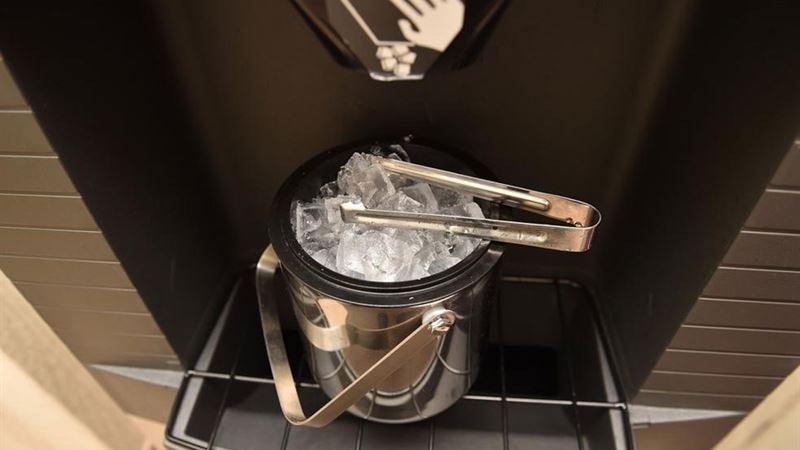
Ice makers are indispensable appliances in various settings, ranging from home kitchens to commercial establishments. They operate by utilizing a combination of water supply and refrigeration mechanisms to produce ice efficiently. An ice maker typically consists of several critical components: a water inlet valve that supplies the necessary water, a powerful motor responsible for ejecting the formed ice, and a cooling system that freezes the water into ice cubes. Additionally, an ice mold is used to shape the ice into the desired form, usually cubes or other shapes depending on the model.
Many advanced ice-producing devices, such as Yeti Coolers, come equipped with a thermostat that actively monitors and regulates the internal temperature to optimize ice production and prevent melting. Modern thermostats are designed with precise sensors, allowing the appliance to automatically adjust cooling intensity to conserve energy while consistently providing fresh ice. This combination of features ensures that users receive a reliable and convenient ice supply tailored to their needs.
When considering the purchase of an ice maker, it is crucial to assess your specific requirements thoroughly. One of the most important factors to consider is the quantity of ice needed on a daily basis. By understanding your daily consumption, you can select an appliance that matches your volume requirements without unnecessary energy consumption or overcapacity.
If your business or household demands large quantities of ice regularly—such as in restaurants, bars, or event venues—you should invest in an ice maker with a high-capacity motor that offers robust performance. These machines are engineered to handle intensive usage, with powerful motors that ensure continuous operation and rapid ice production. The capacity of these appliances can range from producing 100 pounds to several hundred pounds of ice per day, making them suitable for large-scale operations.
For typical household use, a smaller appliance suffices. Standard domestic ice makers are designed to produce approximately 40 pounds of ice daily. These compact machines are perfect for daily household needs, hosting small gatherings, or supporting small convenience stores. They are energy-efficient, easy to operate, and require minimal maintenance, making them a practical choice for most home users.
Medium-sized businesses, such as cafes, small restaurants, and catering services, often opt for mid-range ice makers that can produce between 50 to 150 pounds of ice per day. These devices strike a balance between capacity and energy consumption, providing enough ice for daily operations without incurring excessive utility costs.
For larger enterprises, such as hotels, large restaurants, or industrial food services, investing in commercial-grade ice machines is essential. These appliances often feature advanced technology, including programmable settings, automatic cleaning cycles, and high-capacity refrigeration systems. Many of these models are accessible through online retailers, which often run sales and discounts, helping businesses acquire state-of-the-art equipment at competitive prices.
When selecting an ice maker, also consider additional features that could enhance efficiency, such as filter systems to prevent water impurities, automatic defrost functions to reduce manual maintenance, and portability options if the appliance needs to be relocated often. The choice of ice shape is also vital; some machines produce cubed ice perfect for beverages, while others may generate crushed or nugget ice suitable for various applications.
In summary, choosing the right ice maker involves assessing your volume needs, usage frequency, and operational environment. Whether for personal use or large-scale commercial deployment, understanding these key factors will help you make an informed purchase that offers value, reliability, and optimal performance for years to come.
