
Essential Guidelines for Comfortable Air Travel for Travelers with Disabilities
This comprehensive guide provides essential information for travelers with disabilities to ensure a safe, comfortable, and hassle-free air travel experience. From pre-flight notifications to onboard assistance and airport accessibility, learn about airline policies and support services designed to meet your specific needs. Empower yourself with knowledge and plan ahead to enjoy smooth travel, confident and prepared at every stage of your journey.
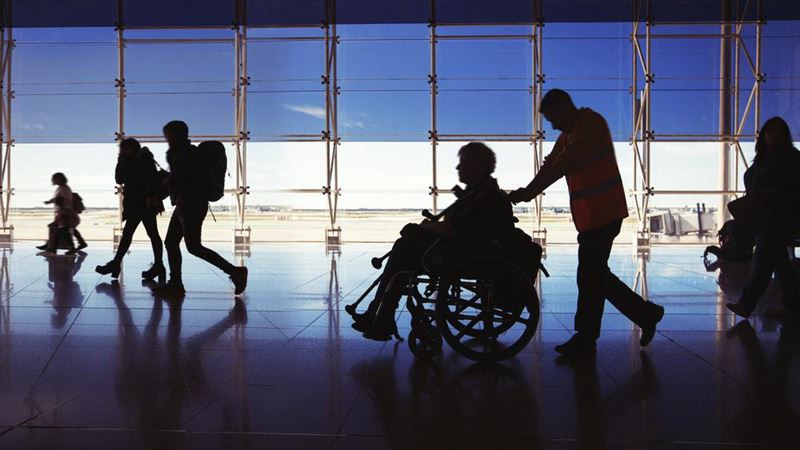
Ensuring a smooth and comfortable journey for individuals with disabilities requires careful planning and awareness of airline policies and airport procedures. From pre-flight notifications to onboard assistance, understanding what services and accommodations are available can make a significant difference in the travel experience. This comprehensive guide aims to equip differently-abled travelers with all the necessary information to navigate air travel confidently and safely, ensuring that you can focus on your destination rather than logistical concerns.
• Pre-Flight Coordination and Notifications: While many travelers with disabilities may not need to notify the airline before their flight, there are specific situations where prior communication is essential. For instance, if a passenger requires oxygen support during the flight or other medical equipment, it is crucial to inform the airline well in advance. Doing so ensures that the airline can make appropriate arrangements and avoid any inconvenience during boarding or on the aircraft. Each airline has its own policies regarding notifications, so it’s wise to review the airline’s guidelines beforehand, either through their customer service or official website.
• Travel Arrangements for Assistance Personnel: For travelers who require assistance at various stages of their journey, airlines such as United Airlines and others typically accommodate their needs. It is advisable to request an adjoining seat for any accompanying attendant to provide the necessary support during the flight. Airlines often facilitate travel for support personnel, but confirming these arrangements during booking can prevent potential issues at check-in or boarding. If you are able to travel independently due to your specific disability, inquire about the airline’s policies regarding self-sufficient travelers and whether a medical certificate is necessary to validate your capabilities. It’s essential to be aware of the airline’s stance on independent travel for persons with disabilities.
• Airport Assistance and Accessibility Measures: Major airlines and airports are committed to providing accessible travel experiences. They typically offer wheelchair services, including assistance with mobility to and from check-in counters, security checks, boarding gates, and onboard the aircraft. It is crucial to verify the availability and type of mobility aids, such as specialized wheelchairs suited for airport navigation or onboard use. Airlines employ trained staff to assist travelers with disabilities throughout the process, making sure their journey through security, boarding, and deplaning is smooth. Additional services include accessible restrooms, priority boarding, and dedicated gate agents who provide personalized support and announcements tailored to individual needs.
• Onboard Support for Differently-Abled Passengers: Whether traveling alone or with an assistant, passengers with disabilities should confirm that the airline provides necessary onboard accommodations. This includes allocating seats that suit specific needs, such as extra legroom or proximity to exits, and delivering personalized safety briefings if required. Some airlines offer pre-boarding services, allowing passengers with disabilities to board before general boarding to settle in comfortably. Inquire about the availability of assistive devices, such as seatbelt extenders, and ensure that crew members are trained to assist passengers with various disabilities. Your safety and comfort are paramount, and pre-planning these details helps prevent inconvenience during your flight.
To enjoy seamless air travel as a differently-abled individual, thorough communication with the airline prior to your journey is vital. Confirm all support services, understand the airport’s accessible facilities, and know your rights for assistance. By doing so, you can travel confidently, ensuring that your experience is as comfortable, safe, and stress-free as possible. Preparation and awareness are the keys to transforming air travel for the differently-abled into an empowering experience rather than a challenging one. Remember, most airlines are committed to creating inclusive travel environments, and with adequate planning, your journey will be smooth from departure to arrival.