
Essential Guidelines for Air Travel to Ensure Comfort for Travelers with Disabilities
This detailed guide offers essential tips and important information for travelers with disabilities to ensure a smooth, safe, and comfortable air travel experience. It covers airline policies, assistance at airports, onboard support, and preparation strategies, empowering travelers to make informed decisions and advocate for their needs. By understanding these guidelines, travelers can enhance their independence and enjoy more seamless journeys with confidence and peace of mind.
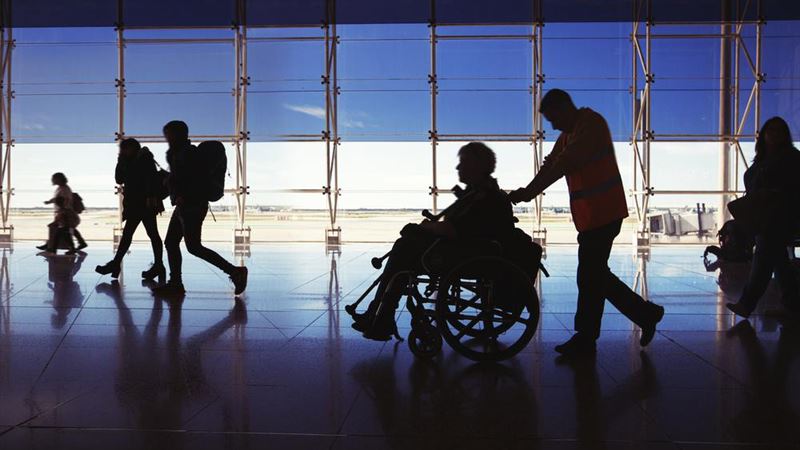
Pre-Flight Notifications and Airline Policies: When preparing for air travel, travelers with disabilities should familiarize themselves with airline-specific policies regarding pre-flight notifications. While in many cases, disabled travelers may not need to notify airlines beforehand, certain circumstances require advance communication. For example, passengers needing oxygen support during flight must inform the airline ahead of time to make necessary arrangements. It is advisable to thoroughly review the airline’s policies on assistance requests and accommodations to avoid any inconvenience on travel day. Different airlines have varying procedures and requirements, so ensuring clarity can streamline the check-in process and guarantee a smoother journey.
Traveling with an Attendant: Major airlines, including United Airlines, often accommodate travelers with disabilities by providing support for their companions. If traveling with an attendant, it’s recommended to request adjoining seats during the booking process to ensure close proximity and ease of assistance when needed. For travelers who are capable of traveling independently, it’s essential to verify the airline’s policies regarding self-travel without an attendant. Some airlines may require a medical certificate or documentation confirming the traveler’s ability to travel alone. Understanding these policies beforehand will help avoid potential travel disruptions or denial of boarding due to safety concerns.
Assistance at Airports: Efficient airport assistance is crucial for travelers with disabilities to navigate through check-in, security, boarding, and disembarkation seamlessly. Most major airlines, including United Airlines, provide a range of assistive devices such as specialized wheelchairs, both manual and electric, to aid in movement within airports. However, it’s important to check in advance what specific services and equipment will be available for your journey. Qualified airport staff should be trained to assist with security screenings, gate transitions, and escorting passengers through complex airport layouts. Airport personnel should also be prepared to support travelers with mobility challenges or other disabilities to ensure safe and comfortable airport navigation.
Boarding and In-Flight Support: Onboard assistance is a vital aspect of accessible air travel. Before flying, travelers should confirm whether the airline provides dedicated support for passengers with disabilities. This includes allocating a suitable, accessible seat and providing individual safety briefings tailored to their needs. Airlines committed to inclusive service often assign specific staff members to assist with boarding, securing mobility aids, and ensuring the passenger’s comfort throughout the flight. For travelers requiring special equipment or who prefer to travel with an assistant, it’s necessary to confirm these arrangements with the airline well in advance. Proper planning guarantees a comfortable, dignified experience and minimizes onboard difficulties.
Preparation and Personal Readiness: To ensure a stress-free journey, travelers with disabilities are encouraged to communicate all their specific needs before departure. This includes details about medical equipment, assistance requirements, and seating preferences. Carrying essential medical documentation and identifying assistive devices can expedite security procedures and in-flight support. Additionally, it’s beneficial to arrive at the airport early to accommodate any last-minute assistance or equipment checks. Being well-informed about the airline’s accessibility services and policies empower travelers with disabilities to enjoy a safe, comfortable, and autonomous travel experience.