
Effective Natural Remedies: How Listerine Can Help Cure Toenail Fungus Beyond Conventional Treatments
Discover the natural, cost-effective way to combat toenail fungus with Listerine. Learn step-by-step methods, precautions, and how this antiseptic mouthwash can promote healthier, fungus-free nails. Patience and consistency are key to success.
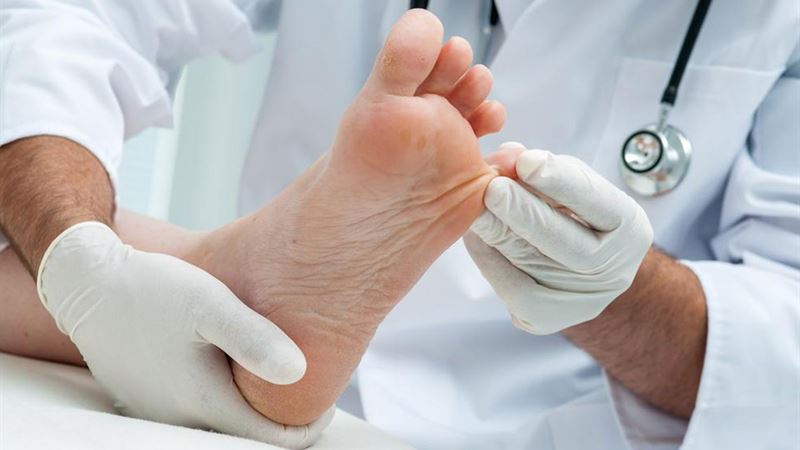
Toenail fungal infections are a common and stubborn problem that can cause discomfort, discoloration, and unsightly appearance. While prescription medications are often recommended, many individuals seek natural, cost-effective alternatives to treat toenail fungus effectively. One such unconventional yet promising remedy is utilizing Listerine, a popular antiseptic mouthwash, for foot soaks and topical applications. Despite its primary use as a mouth rinse, Listerine possesses potent antifungal and antimicrobial properties that make it a suitable candidate for combating toenail fungus naturally. This comprehensive guide explores how Listerine works against toenail fungus, detailed step-by-step instructions for using it, and essential precautions to consider.
Understanding Toenail Fungus and Its Impact
Toenail fungus, medically known as onychomycosis, is caused by various fungal pathogens, most commonly dermatophytes. The infection often results in thickened, brittle, discolored, and sometimes deformed nails. It can spread easily, particularly in warm, moist environments such as gyms, swimming pools, and crowded showers. If untreated, the infection can progress to cause pain, secondary bacterial infections, and even permanent nail damage.
Standard treatment options include topical antifungal ointments, oral medications, laser therapies, and in severe cases, surgical removal of the affected nails. However, these treatments may have side effects, high costs, and lengthy durations. As a result, many individuals turn to natural remedies like Listerine as adjunctive or alternative therapies.
The Science Behind Listerine's Antifungal Properties
Although primarily formulated as an oral hygiene product, Listerine contains several active ingredients with significant antimicrobial, antiseptic, and antifungal activities. These components work synergistically to inhibit the growth of various fungi and bacteria, making it a surprisingly effective remedy for toenail fungus.
- Eucalyptol: Derived from eucalyptus oil, eucalyptol exhibits potent antimicrobial effects, reducing inflammation, alleviating pain, and fighting fungi effectively.
- Thymol: This natural compound is a powerful fungicide that directly kills fungal cells and prevents their proliferation.
- Salicylates: Known mainly for their anti-inflammatory and analgesic properties, salicylates promote the removal of dead skin and help in regenerating healthy tissue.
- Methyl Salicylate and Menthol: These ingredients provide a cooling sensation, soothe irritated skin, and contribute to the antifungal action.
Thanks to this blend of antiseptic agents, Listerine can be an effective topical solution for mild to moderate toenail fungus infections, particularly when used consistently over time.
How to Use Listerine for Toenail Fungus: Step-by-Step Instructions
Incorporating Listerine into your foot care routine is simple and affordable. The key is consistency and patience. Here’s a detailed guide:
- Preparation: Select a clean, deep basin or foot soak tub that comfortably fits both feet. It should have enough room for you to immerse your toes entirely.
- Mixing the Solution: Combine two parts of lukewarm water with one part of Listerine in the basin. Ensure the water level is sufficient to submerge your nails and toes completely.
- Soaking Period: Dip your feet into the mixture and relax for at least 20-30 minutes. For optimal results, repeat this daily or every other day for several weeks, depending on the severity of the infection.
- Alternative Application: If soaking isn't feasible, soak cotton balls or swabs in Listerine and directly apply them to the affected nails. Use a soft brush to gently scrub away dead skin or debris.
- Monitoring and Maintenance: Regularly trim nails to remove infected tissue, allowing the active ingredients to penetrate deeper. Maintain good foot hygiene throughout the process, wearing clean, breathable socks and shoes.
- Additional Measures: Some users opt to add natural antifungal agents like apple cider vinegar to the soak or apply topical powders to reduce sweating and fungal growth.
Using Vinegar as a Complementary Remedy
Adding apple cider vinegar to the soak can enhance antifungal efficacy. Vinegar's acetic acid creates an acidic environment hostile to fungi, accelerating recovery. Mix equal parts of vinegar and water for a potent antifungal soak.
Advanced Techniques: The Rubber Boot Method
For individuals with busy schedules, wearing Listerine-filled rubber boots over the feet can be an alternative. Fill clean rubber boots with Listerine and wear them for 15-20 minutes daily. This method ensures prolonged exposure even when time is limited.
Remember to exercise caution and avoid this method if you have open wounds or cracked skin to prevent irritation.
Preventive Care and Maintenance
Effective treatment involves not just elimination but prevention of future infections. Keep your feet dry, wear moisture-wicking socks, and avoid walking barefoot in communal areas. Regularly disinfect footwear and avoid sharing shoes or footwear with others.
Adopt a routine of frequent foot inspections to detect early signs of fungal infections and seek prompt treatment. Using Listerine as a preventive soak once a week can help maintain healthy nails and skin.
Timeline and Expectations
Persistence and patience are critical when using natural remedies like Listerine. It may take several months of consistent application before visible improvements occur. Discoloration, thickening, or brittleness can gradually diminish as the infection clears up. However, if no improvement is observed after 3-4 months or the infection worsens, consult a healthcare professional for advanced options.
Safety and Precautions
Despite its natural antifungal properties, Listerine should be used with caution:
- Conduct a patch test before full application to check for allergies or skin irritation.
- Avoid use on open wounds, cracked skin, or broken nails to prevent discomfort.
- If you have ingrown toenails, consult a podiatrist before attempting home remedies.
- Individuals with sensitive skin or eczema should seek medical advice prior to use.
- Maintain daily foot hygiene, change socks regularly, and avoid excessive moisture.
In conclusion, Listerine offers a practical, natural solution for mild to moderate toenail fungal infections. Its antifungal ingredients, affordability, and ease of use make it an attractive option for individuals seeking alternative therapies. However, patience and adherence are vital for achieving optimal results. Always combine home remedies with good foot care practices to ensure healthy, fungus-free nails.