
Comprehensive Guide to Purchasing Recreational Vehicles: Tips for Finding the Best Deals
This comprehensive guide helps RV buyers make informed decisions by exploring different types, benefits, and drawbacks of new and used models. Learn expert tips on negotiating, selecting the right RV for your lifestyle, and finding the best deals during sales events. Whether you’re a first-time buyer or experienced traveler, this article provides valuable insights on how to maximize your investment and enjoy memorable adventures on the road. Prepare yourself to pick the perfect RV tailored to your needs and budget for years of reliable travel.
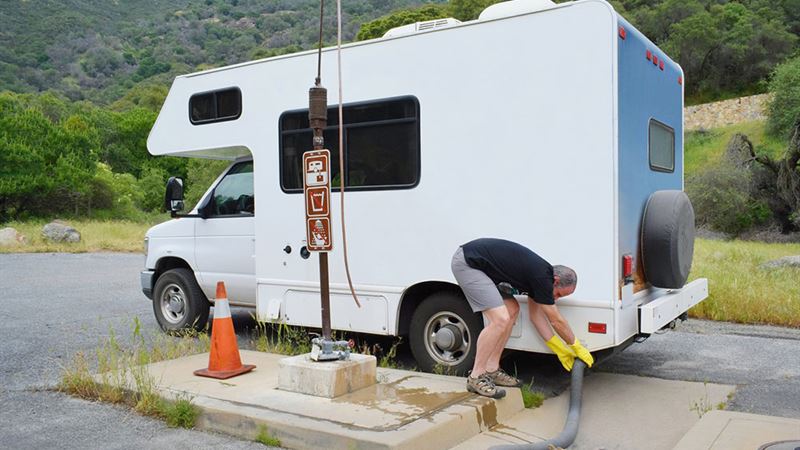
Choosing an RV involves understanding your specific needs and lifestyle. Many prospective buyers are tempted by attractive offers or flashy models without a clear assessment of their long-term readiness for RV ownership. It’s crucial to avoid impulsive purchases that may lead to buyer’s remorse or financial strain. The decision to own an RV should showcase a thorough analysis of your travel habits, family requirements, and budget constraints. By asking the right questions upfront, you can identify the most suitable RV type, features, and purchase options that align with your goals. Here are the primary questions to consider:
- What are your primary motivations for buying an RV? Is it for frequent vacations, seasonal relocations, or temporary living arrangements?
- Do you have well-defined travel plans that require an RV, or is this a spontaneous idea?
- How often do you intend to travel or camp in your RV each year?
- Will your family or travel companions be sharing the vehicle regularly?
- What is your total budget for the initial purchase and ongoing maintenance costs?
Addressing these questions helps you narrow down your options. For example, if you plan major cross-country trips, a larger, fully equipped motorhome might be suitable. If you seek occasional weekend getaways, a smaller, more maneuverable trailer could suffice.
Beyond purpose and frequency, consider specific interior features and adaptability. Do you need full-sized kitchen amenities, bathroom facilities, or entertainment systems? Would you prefer a motorhome you can drive directly, or a trailer that requires a separate towing vehicle? These preferences influence not only the type of RV you should purchase but also the features you might want to prioritize during your search.
When contemplating your purchase, another critical factor is deciding between a new or pre-owned RV. Both options come with their unique advantages and challenges, and understanding these can lead to a more satisfying purchase decision.
New Versus Used RVs: An In-depth Comparison
The decision to buy a brand-new or used RV hinges on a variety of considerations, including budget, long-term plans, and personal preferences. Each choice warrants a detailed analysis of benefits and drawbacks to align your investment with your expectations and financial situation.
Advantages and Disadvantages of Buying a Used RV
- Pros:
- Cost Savings: Used RVs are generally more affordable upfront, often enabling you to afford a more spacious or luxurious model within your budget.
- Customization Potential: Buying used allows you to perform renovations, upgrades, or personalization projects according to your taste and needs.
- Lower Insurance Costs: Insurance premiums for used vehicles tend to be lower than those for brand-new models, reducing your ongoing expenses.
- Cons:
- Potential Hidden Damages: Older vehicles may harbor issues such as leaks, electrical problems, or mechanical wear that aren’t apparent during initial inspections.
- Upgrade Expenses: You might need to invest in repairs, upgrades, or replacements to bring the RV up to your standards or safety requirements.
- Parts Availability: Finding replacement parts for older models can sometimes be challenging, especially for specialized or discontinued components.
Pros and Cons of Purchasing a New RV
- Advantages:
- Latest Technology and Features: New models come equipped with modern gadgets, improved fuel efficiency, and innovative amenities.
- Reliability and Warranty: You benefit from factory warranties and the assurance that the vehicle hasn’t experienced prior damage or wear.
- Customization Options: Many dealerships offer customization packages, allowing you to select preferred layouts, colors, and features.
- Disadvantages:
- Higher Cost: New RVs come with a premium price tag, which can be a significant financial commitment.
- Depreciation: The value of new vehicles drops sharply—around 20-25%—immediately after purchase.
- Insurance Premiums: Insuring a new RV usually costs more, reflecting its higher value and replacement costs.
Understanding Motorhomes: Types and Features
Motorhomes are the mobile equivalents of luxury homes on wheels, offering self-contained living spaces that do not depend on external towing. They are an excellent choice for those seeking comfort and convenience on the road, providing a wide array of options from large, bus-sized models to smaller vans. They are categorized into three main classes, each catering to different travel needs and budgets.
Class A Motorhomes
Class A motorhomes are the giants of the RV world, often resembling converted buses or large coaches. They are prized for their spacious interiors and extensive amenities. These vehicles are typically powered by either diesel or gasoline engines and built on special chassis designed for durability and comfort. Class A models are perfect for long-term travelers who prioritize space and luxury. They often include features such as full-sized kitchens, bathrooms with showers, washer/dryer units, home entertainment systems, and sizeable storage basements. Some models are equipped with slide-outs—sections that expand living space when parked—making these motorhomes resemble small apartments on wheels.
While they offer maximum comfort, Class A motorhomes come with a hefty price tag. Their size and complexity make them more challenging to drive and park, but recent models are designed to be accessible without special licenses in many regions.
Class B Motorhomes
Known as “camper vans,” Class B motorhomes are built on full-sized van chassis, with a raised roof for comfortable standing and movement inside. They are smaller and more maneuverable than their Class A counterparts, making them ideal for singles or couples. These vehicles often include basic sleeping arrangements, a compact kitchen, and essential bathroom facilities like toilets and showers. The limited space means fewer luxuries, but they excel in ease of driving, parking, and fuel efficiency. Maintenance costs are typically lower, and they are suitable for spontaneous trips or urban adventures where maneuverability is essential.
Class C Motorhomes
Class C motorhomes occupy a middle ground, with sizes ranging between 20 and 33 feet. Built on truck or van chassis, these vehicles are popular for their affordability and versatility. They usually feature a cab-over design—an expandable sleeping area above the driver's cab—and provide ample living space equipped with kitchens, bathrooms, and sleeping rooms. Many models have convertible sofas and dinettes that turn into beds. They are easy to drive, making them attractive options for families and first-time RV owners looking for comfort without the high cost of Class A models.
The World of Towable RVs
For those who want flexibility without the bulk of a motorhome, towable RVs are an excellent alternative. These trailers are hitched to a car, truck, or SUV, allowing you to detach and explore once parked. They come in various styles, sizes, and configurations, offering a range of prices and features to suit different needs.
Key types include:
- Travel trailers: The most common, available in numerous sizes and layouts, suitable for a variety of towing capacities.
- Fifth-wheel trailers: Larger, with a raised forward section that attaches to the bed of a pickup, offering more stability and space.
- Folding and tent trailers: Compact, lightweight, ideal for quick setup and short trips.
- Utility and sport utility RV trailers: Designed for specialized activities like hunting or outdoor sports, often equipped for specific outdoor pursuits.
Essential Tips for Buying the Perfect RV
Purchasing an RV is a significant investment that warrants meticulous planning. It’s tempting to buy on impulse, especially if you find attractive deals, but rushing this decision can lead to costly mistakes. Here are detailed tips to help you make an informed purchase and secure the best deal possible:
Take Your Time and Conduct Thorough Research
Buying an RV isn’t a spur-of-the-moment decision. It involves assessing your needs, budgeting wisely, and understanding different models and features. Start by exploring reputable websites, reading reviews, and talking to current RV owners. Visiting RV shows and dealerships will also give you hands-on experience. Don’t rely solely on visual inspections; investigate critical systems such as plumbing, electrical wiring, water pumps, and mechanical components. Consulting with experienced RV enthusiasts or professionals can save you from future regrets.
Negotiate Effectively on Pricing
Most RV dealers list vehicles at Manufacturer’s Suggested Retail Price (MSRP), but substantial discounts are often available. Skilled negotiators can often reduce the purchase price by up to 30%. Don’t accept the first offer; instead, get multiple quotes from different dealers and compare prices. Timing your purchase at the end of the month or fiscal year can increase your bargaining power because dealerships aim to hit sales targets. Remember, patience and persistence are your best tools to land a favorable deal.
Consider Buying Second-Hand
Pre-owned RVs tend to depreciate rapidly, losing around 25% of their value once driven off the lot. Buying a used vehicle can be a cost-effective way to enjoy RV ownership. Ensure you obtain comprehensive maintenance records and verify the vehicle’s condition with a trusted mechanic. Choosing a used RV from a reliable source reduces the risk of hidden issues and can lead to significant savings. If you plan to use your RV infrequently, a second-hand model might be the most practical and economical choice.
Be Vigilant About Manufacturing Defects
New RVs, while offering the latest features, can sometimes have manufacturing flaws. It’s crucial to inspect the vehicle thoroughly before purchase. Enlist the help of a qualified mechanic to examine vital components and ensure the RV meets quality standards. Manufacturers’ warranties can protect you against certain defects, but a careful inspection minimizes the risk of costly repairs shortly after purchase.
Understand Maintenance and Fuel Costs
RVs require ongoing maintenance, and repairs can be expensive due to specialized parts and service providers. It’s essential to budget for these expenses, especially if you plan to use the RV frequently. Additionally, fuel consumption is a significant factor; most RVs are not fuel-efficient, with mileage ranging from four to ten miles per gallon, though diesel models can reach around 20 mpg. Factor in these costs when planning your travel budget.
Plan for Better Deals and Discounts
- Broaden your search beyond specific brands; explore various options and manufacturers.
- Attend RV trade shows for exclusive discounts and promotional offers.
- Timing your purchase toward the end of sales periods increases bargaining leverage.
- Consider making a quick purchase and personalizing or customizing later.
- Utilize online platforms and websites that aggregate RV deals on new, used, and rental units, to compare options efficiently.
Owning an RV can dramatically enhance your travel adventures, providing a marriage of comfort and mobility. By thoroughly evaluating your needs, understanding the differences among RV types, and employing strategic purchasing tactics, you can find an RV deal that gives you optimal value. Remember, patience, research, and negotiation are your best allies in making a rewarding investment that will bring many memorable journeys ahead.