
Comprehensive Guide to Purchasing Reliable Used Campers for Your Adventures
Discover expert tips for buying high-quality used campers, from budgeting and model research to thorough inspections and negotiations. This comprehensive guide helps you find a reliable, well-maintained camper tailored to your camping lifestyle, ensuring countless happy adventures on the road. Learn to identify hidden damages, verify ownership, and leverage community resources to make informed purchasing decisions that save money and enhance your camping experience.
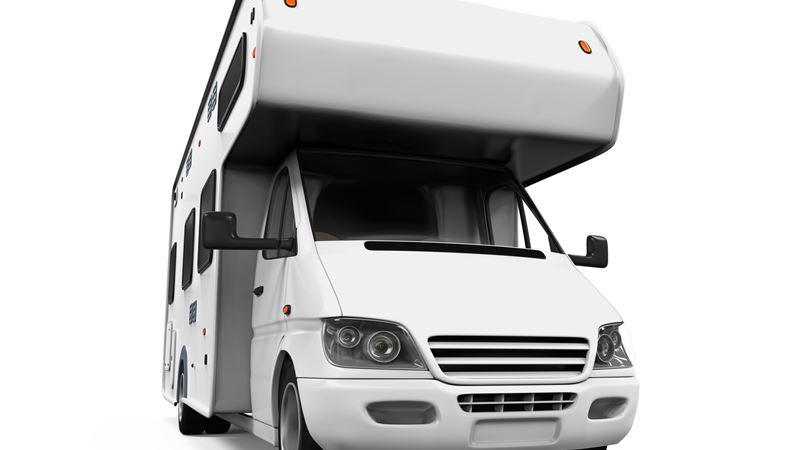
Embarking on the journey to buy a used camper can be exciting yet challenging. Whether you’re a seasoned traveler or new to the RV lifestyle, selecting a high-quality pre-owned camper requires careful research, thorough inspections, and understanding of what to look for. This comprehensive guide aims to walk you through every essential step to find a dependable used camper that fits your budget and travel needs. From setting your budget to finalizing the purchase, we cover all aspects to ensure you make an informed decision that guarantees years of memorable adventures.
1. Establish Your Budget and Understand Financial Commitments
Before diving into the market, determine a realistic budget. Besides the purchase price, consider additional expenses such as repairs, maintenance, upgrades, insurance, and registration fees. Decide whether you’re willing to invest in a model that might need some repairs or if you prefer a camper that’s move-in ready. Setting a clear budget prevents overspending and helps narrow your options, making your search more manageable. Keep in mind that older models often cost less upfront but may incur higher maintenance costs down the line.
2. Clarify Your Camping Needs and Preferences
Is your plan to camp at established campgrounds with full hookups, or do you prefer off-grid expeditions? Your camping style influences the type of camper suitable for you. For instance, larger models with plenty of amenities are ideal for comfort-focused camping, while compact trailers are better for remote adventures. Consider the number of travelers, preferred facilities, and towing capacity of your vehicle. Defining these factors early helps you target the right camper and avoid unnecessary compromises later.
3. Conduct In-Depth Research on Various Make and Model Options
Spend time exploring different brands and models to find ones known for overall quality and dependability. Use online resources such as RV forums, dedicated review websites, and consumer reports. Pay close attention to common issues reported by users—these insights can save you from costly surprises. Check for model-specific problems, recalls, and the availability of spare parts. A well-researched choice will serve you better in the long run and enhance your camping experience.
4. Carefully Inspect the Camper’s Exterior and Structural Integrity
A thorough visual inspection is crucial. Examine the roof for cracks, soft spots, or signs of leaks. Inspect the walls for dents, rust, or bubbling paint, which could indicate underlying issues. Pay special attention to seals around windows, doors, and vents—damaged seals can lead to water intrusion. Ensure the undercarriage is free of rust and damage. Using a ladder to check the roof, and walking around the camper to inspect all sides, provides a better understanding of its condition.
5. Examine Interior Condition and Functionality
Inside, look for water stains, mold, and soft flooring that could signal past leaks or structural problems. Check appliances like the refrigerator, stove, microwave, and heater to ensure they operate correctly. Test the plumbing system for leaks and proper drainage, and verify the electrical systems—including wiring, lights, and outlets—are functional. Don’t forget to inspect the condition of furniture, cabinetry, and flooring for signs of excessive wear or damage. A clean, well-maintained interior is a strong indicator of a care-filled history.
6. Verify All Mechanical and Mechanical Components
Operational features such as slide-outs, awnings, leveling jacks, hitch mechanisms, and stabilizers should be tested. Make sure all mechanical parts move smoothly and function as intended. If the camper has a towing hitch, double-check its weight capacity and attachment points. For self-propelled models, take the vehicle for a test drive to assess handling, noise levels, braking, and engine performance. These checks help identify potential mechanical issues that could lead to costly repairs.
7. Detect Hidden Water Damage and Moisture Issues
Water damage is one of the most common and damaging issues in used campers. Use your inspection skills and, if possible, employ a moisture meter to detect hidden leaks inside walls, ceiling, or floors. Carefully examine seams, vents, and areas near windows and skylights—these are typical leak points. Soft or discolored spots on flooring or walls may indicate past water intrusion. Addressing these problems early can prevent structural deterioration and mold growth.
8. Examine the Tires and Wheels Carefully
Your camper's tires are vital for safety and performance. Inspect for signs of uneven wear, dry rot, cracking, or bulges. Check the tire tread depth to ensure adequate grip and safety on the road. Note the manufacturing date stamped on the sidewall; tires over six years old are often less safe, regardless of tread. Properly maintained tires will help prevent blowouts and other road hazards, safeguarding your trip.
9. Confirm Ownership and Legal Documentation
Always verify that the seller holds a clear title. Avoid campers with salvage or rebuilt titles unless you understand the history and potential repairs involved. Cross-check the Vehicle Identification Number (VIN) on the camper against the documentation to confirm authenticity. A clean title streamlines the registration process and assures you're purchasing a legitimate asset.
10. Review Maintenance Records and Service History
Ask for detailed maintenance logs—regularly maintained campers tend to be in better condition. Records of repairs, upgrades, and inspections can reveal how well the camper has been cared for. Knowledge of previous issues can also help you anticipate future repairs or costs, allowing you to negotiate better pricing if needed.
11. Consider Professional Inspection for Peace of Mind
Hiring an experienced RV inspector provides an objective assessment of the camper's condition. They can identify issues you may have missed and offer recommendations for repairs or negotiations. A professional inspection can prevent costly surprises after purchase and give you confidence in your decision.
12. Negotiate the Sale Price Effectively
Using the insights from inspections and research, negotiate with the seller to reach a fair price. Highlight any issues uncovered during inspections and use these as leverage. Remember to stay within your budget, factoring in costs for repairs or upgrades. Remember, bargaining is part of the process—don't be afraid to walk away if the terms don’t meet your expectations.
13. Explore Warranty and Insurance Options
Check if the camper is still covered by any manufacturer warranty or if extended warranties are available. This can provide additional protection against costly repairs. Also, research suitable insurance policies that cover damage, theft, or accidents, ensuring your investment remains protected during your travels.
14. Conduct a Test Tow or Test Drive
If your camper has its own engine, take it for a test drive to evaluate handling, braking, and engine performance. For towable campers, ensure your vehicle can handle the load comfortably, and perform a short tow to test stability, brakes, and hitch connections. It's crucial to experience how the camper handles before finalizing the purchase.
15. Utilize Online Resources and Community Knowledge
Leverage online forums, RV communities, and reviews to gather insights and tips from experienced campers. Websites like RVTrader, Craigslist, and Facebook Marketplace are useful for finding used campers but require careful vetting of sellers. Engaging with community members can offer valuable advice, alert you to trustworthy sellers, and share maintenance tips for specific models.
In conclusion, purchasing a used camper involves patience, thorough inspection, and informed decision-making. By following these comprehensive steps, you can confidently choose a camper that’s reliable, fits your lifestyle, and provides many years of happy camping adventures. Remember to take your time, don’t rush your decision, and prioritize safety and condition over price alone. The perfect used camper is out there—your perfect adventure begins with making the right choice.