
Comprehensive Guide to Kitchen Countertop Materials: Benefits, Drawbacks, and Selection Tips
Explore an in-depth guide to various kitchen countertop materials, including natural stones, engineered surfaces, and synthetics. Learn about their advantages, disadvantages, maintenance tips, and how to choose the perfect surface that fits your style, budget, and daily needs. This comprehensive article helps homeowners make informed decisions, ensuring long-lasting beauty and functionality in the heart of their home.
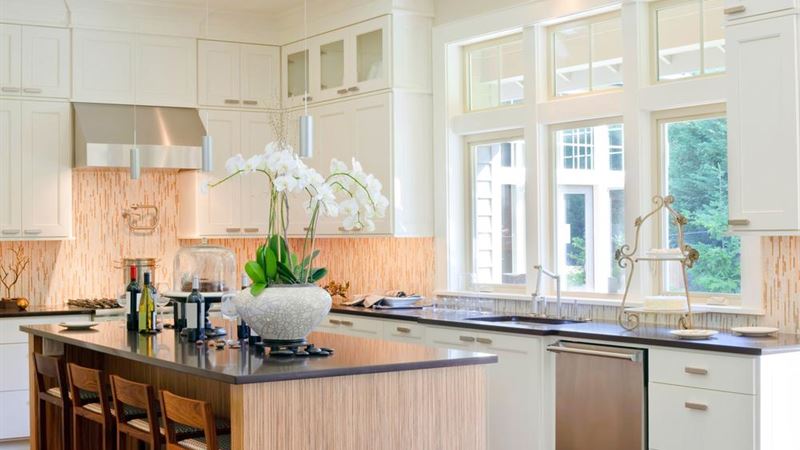
Natural Stone Countertops
Natural stones have long been favored for their timeless beauty and durability, adding a touch of elegance to any kitchen space. The most common options include granite, marble, and soapstone, each with its unique qualities and care requirements.Granite is highly admired for its robustness and wide array of colors and patterns. Its natural hardness makes it resistant to scratches and heat, which is vital for a busy kitchen environment. However, granite is porous to some extent, which means that if not sealed correctly, it can stain or harbor bacteria. Regular sealing is recommended to maintain its appearance and hygiene standards.
Marble exudes luxury and sophistication, characterized by their distinctive veined patterns. Despite its beauty, marble is quite porous and susceptible to staining from liquids such as wine, oils, or acidic substances like lemon juice. It requires consistent sealing and careful maintenance to preserve its condition over the years.
Soapstone is known for its smooth, matte finish and natural resistance to heat and stains. It’s less porous than marble, making it easier to maintain, although it can scratch or dent more readily. When cared for properly, soapstone develops a unique patina that enhances its aesthetic appeal.
Porcelain and Quartz Surfaces
While natural stones are popular, engineered options like quartz offer an alternative that combines aesthetics with practicality. Quartz countertops are engineered from crushed quartz bound in resin, resulting in surfaces that are non-porous, stain-resistant, and low-maintenance. They mimic the look of natural stone but without the porosity issues, making them a durable choice for modern kitchens.Engineered Stone (Quartz) is fast becoming a top pick because of its strength, consistency, and wide variety of colors and patterns. These surfaces are highly resistant to scratches, stains, and heat, although extreme heat can sometimes cause damage, so trivets are advisable. Quartz countertops are also non-porous, making them easier to keep hygienic and stain-free over time. They tend to be more affordable than high-end natural stones and offer excellent value for money.
Man-Made and Synthetic Materials
The array of synthetic options includes laminate, solid surface materials, and other composite surfaces, each offering their unique benefits and limitations.Laminate is known for its affordability and versatility in design. It is available in a multitude of colors and patterns, including options that mimic wood, stone, or solid colors. Despite its low cost, laminate is less durable compared to natural stone or engineered surfaces. It can be scratched, scorched, or chipped relatively easily and may discolor over time, especially if exposed to heat or moisture.
Solid Surface Materials (e.g., Corian) are popular for their seamless appearance and ease of repair. These surfaces are non-porous, resistant to stains and bacterial growth, and can be shaped into integrated sinks and backsplashes. However, they are susceptible to scratches and heat damage, which means hot pans should be placed on trivets or pads.
Metal Countertops
Metal surfaces, including stainless steel, aluminum, and copper, bring a sleek, industrial look to any kitchen. Known for their exceptional durability and heat resistance, metals are often used in professional kitchens and culinary environments. They are easy to clean and maintain, especially stainless steel, which is resistant to bacteria and staining. On the downside, metals can scratch and dent easily and may require periodic polishing to prevent tarnishing or corrosion, particularly copper and certain aluminum alloys. Their high cost makes them an investment, often suited for upscale or chef-grade kitchens.Cost and Value Considerations
As evident, there is a wide spectrum of materials catering to different budgets and styles. Natural stones tend to command higher prices but offer unparalleled aesthetic appeal and long-term durability. Synthetic and manufactured options are generally more budget-friendly, with easier maintenance but sometimes sacrificing natural beauty and uniqueness.When choosing a countertop material, it's important to balance upfront costs with long-term durability, maintenance needs, and the overall style of your kitchen. A well-chosen surface not only enhances the visual appeal of your home but can also increase its market value.
In conclusion, selecting the right kitchen countertop material involves careful consideration of your lifestyle, maintenance preferences, and budget constraints. Whether you opt for a luxurious natural stone, a low-maintenance engineered surface, or a budget-friendly laminate, investing in quality materials ensures your kitchen remains functional, beautiful, and valuable for years to come.