
Enhancing Quality of Life with Modern Hearing Solutions
Discover how modern hearing aids like Specsavers and Siemens are transforming lives by improving speech, cognitive skills, and emotional well-being. Learn about their benefits for children and adults, including tinnitus relief and dementia risk reduction. Early intervention with advanced technology ensures active participation in social and academic activities, fostering independence and confidence at any age.
The Critical Role of Hearing Aids in Improving Health and Social Integration
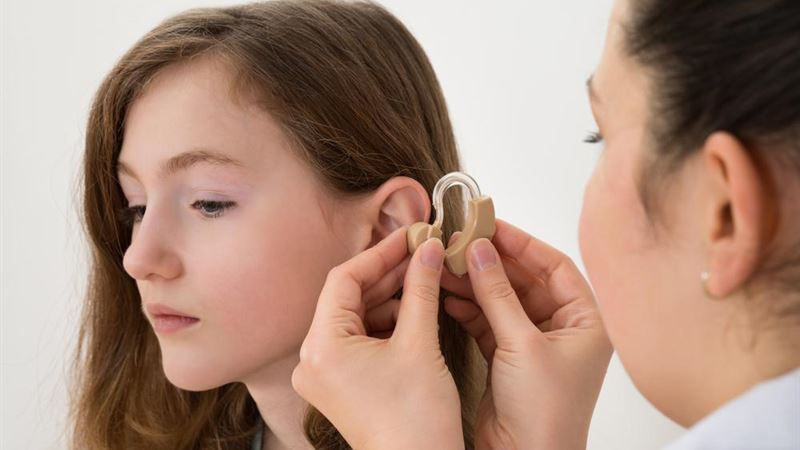
- Globally, an estimated 24,000 children are born each year with hearing impairments, and this number is rising steadily. The increasing incidence of hearing loss poses significant challenges for individuals from a very young age, affecting their development and daily functioning.
- Children experiencing hearing difficulties often face obstacles that influence their personality development, emotional well-being, and social interactions. Without intervention, such challenges can lead to long-term emotional stress and social isolation.
Understanding the importance of hearing devices can make a profound difference in the lives of those affected. Early diagnosis and appropriate amplification solutions are vital in ensuring optimal development and integration into society.
Facilitating Social Skills Development
Modern hearing aids, such as those provided by leading providers like Specsavers, play a vital role in helping children grasp the significance of language and communication within their community. These electronic devices enable children to perceive speech clearly, which is crucial for learning language, reading, and writing skills. By assisting children in understanding spoken words, hearing aids foster the development of social relationships and overall communication competence.
- The use of efficient hearing devices allows children not only to hear themselves but also to understand others better, contributing to a clearer sense of purpose and self-awareness.
- Hearing aids can mitigate the adversities faced during the transitional phases of childhood, helping children adapt smoothly and confidently.
- With improved hearing, children become more enthusiastic about leisure activities, school programs, and social events, resulting in better participation and confidence.
Boosting Cognitive Abilities
For young ones with hearing impairments, adopting advanced hearing aids like Siemens enhances their capacity for cognitive development. These devices ensure that children can actively engage in conversations, understand their environments, and develop critical thinking skills. Maintaining cognitive health is essential for academic success, self-esteem, and overall mental well-being. When children are able to hear clearly, their attention span improves, enabling them to concentrate fully on studies and participate fully in classroom activities.
Benefits for Adult Users
Adults experiencing hearing loss often face emotional and social challenges, including withdrawal from social interactions, reduced job performance, and feelings of isolation. Addressing hearing difficulties with quality hearing aids like Specsavers can significantly improve their quality of life, helping them regain independence and social confidence. The advantages extend beyond hearing clarity, impacting emotional health and everyday functionality.
- Alleviating Tinnitus Symptoms
Over 50 million people worldwide suffer from tinnitus, characterized by persistent ringing, clicking, or buzzing sounds in the ears. These noises can be distressing and interfere with daily life. Hearing aids such as Specsavers models can alleviate tinnitus symptoms by reducing sound sensitivity and helping individuals manage their condition more effectively. - Reducing Risk of Dementia and Cognitive Decline
Research indicates a strong link between untreated hearing loss and an increased likelihood of cognitive decline, including dementia. The University of Pennsylvania's studies highlight that hearing impairments can hinder brain areas responsible for auditory processing and speech comprehension. Using hearing aids can help preserve brain function by keeping the auditory pathways active and preventing atrophy. - Individuals who undergo appropriate hearing treatment are less prone to cognitive deterioration, maintaining sharper mental faculties longer into old age.
By investing in high-quality hearing devices, people of all ages can enjoy better mental health, improved communication, and a more active, fulfilling life. The advancement of hearing aid technology has revolutionized the way individuals with hearing impairments interact with their environment, fostering greater independence and societal contribution.
In summary, the critical importance of hearing aids extends beyond simple amplification. They serve as vital tools in promoting social integration, cognitive health, emotional stability, and overall quality of life. As technology continues to evolve, so does the potential for individuals with hearing loss to lead enriched, connected lives—highlighting the indispensable role of modern hearing solutions in contemporary healthcare.