
Comprehensive Guide to Modern Hearing Aids: Your Options for Better Hearing
Explore the diverse range of modern hearing aids available today, from discreet CIC and ITC models to powerful BTE and body-worn devices. Learn how to select the best option for your hearing needs and enhance your quality of life through improved hearing solutions.
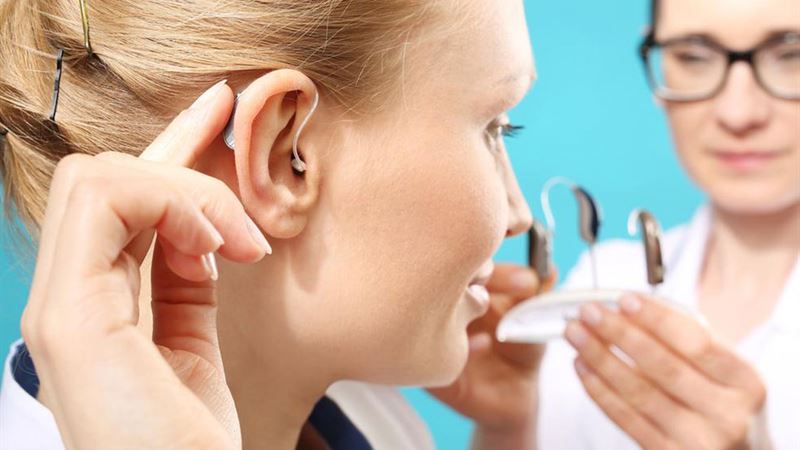
Hearing loss can significantly impact quality of life, but advancements in hearing aid technology offer practical solutions for those affected. Today’s hearing aids come in diverse styles and features designed to meet individual needs, preferences, and degrees of hearing impairment. Whether mild or severe, there is a suitable device to help restore auditory function and improve daily communication.
Choosing the right hearing aid involves understanding the various types available, how they operate, and which is best suited for your specific condition. This comprehensive guide explores the different categories of hearing aids, their advantages and limitations, and what you should consider before making a purchase.
- Completely-In-Canal (CIC) Hearing Aids:
- In-The-Canal (ITC) Hearing Aids:
- In-The-Ear (ITE) Hearing Aids:
- Receiver-In-Canal (RIC) Hearing Aids:
- Behind-The-Ear (BTE) Hearing Aids:
- Body-Worn Hearing Aids:
These custom-crafted devices are designed to fit entirely inside the ear canal, making them practically invisible when worn. They are exceptionally discreet and preferred by users who prioritize aesthetics and minimal visibility. CIC aids are ideal for mild to moderate hearing loss and are typically used by individuals who do not require extensive amplification. Due to their small size, they can be more challenging to handle and may have limited battery life, but advances in technology continue to improve their performance.
ITC aids are also custom-fitted but extend slightly beyond the ear canal opening. They are more visible than CIC devices but remain relatively discreet. Designed for mild to moderate hearing impairment, these devices offer enhanced performance due to their larger size, which allows for additional features and longer battery life. Their semi-visible profile makes them a popular choice for those seeking a balance between discretion and functionality.
The ITE models are custom-made to fit snugly within the outer ear. They are quite visible but easier to handle, making them suitable for users with dexterity issues. ITE devices are typically used for mild to severe hearing loss, offering robust amplification and the capacity to include advanced features such as directional microphones and volume controls. The larger size allows for enhanced sound processing capabilities.
One of the most popular choices among recent innovations, RIC aids are minimally visible and feature a tiny receiver placed deep inside the ear canal. They connect to a small external processor via a thin wire or wirelessly, providing clear sound quality with minimal distortion. RIC devices are comfortable, easy to insert and remove, and suitable for a wide range of hearing losses, from mild to profound. Their design supports modern features like Bluetooth connectivity and smartphone compatibility.
BTE devices are positioned behind the ear with a plastic tube that directs amplified sound into an ear mold fitted inside the ear canal. These are versatile and suitable for individuals with varying degrees of hearing loss, including severe cases. BTE aids are durable, offer excellent sound quality, and support a broad range of features such as wireless streaming and advanced noise reduction algorithms. They are particularly appreciated for their durability and ease of maintenance.
These heavy-duty hearing aids involve a small box connected to earphones or wires that route sound into the ears. They are often used in cases of profound hearing loss or in specific environments where powerful amplification is necessary. Body-worn aids are typically used by older adults or those with complex hearing needs, often providing superior amplification and easy volume control.
While hearing aids do not entirely cure hearing impairments, they significantly improve the ability to communicate and engage with the surroundings. Properly fitted and used consistently, they enable users to lead more independent and fulfilling lives, bridging the gap between hearing loss and effective communication. Advances in technology continue to enhance their features, making them more comfortable, discreet, and integrated with modern digital devices. Consulting a hearing care professional is essential to identify the most suitable device tailored to your specific hearing profile and lifestyle.