
Comprehensive Guide to Selecting the Perfect Boat Cover for Your Vessel
Discover an in-depth guide to choosing the ideal boat cover. Learn about different styles, sizing tips, fabric options, and maintenance advice to protect your boat effectively. Make informed decisions for long-lasting protection and performance of your vessel, whether stored indoors or outdoors, in water or dry conditions. This comprehensive article helps boat owners understand key factors to optimize their investment and ensure their boat remains in pristine condition season after season.
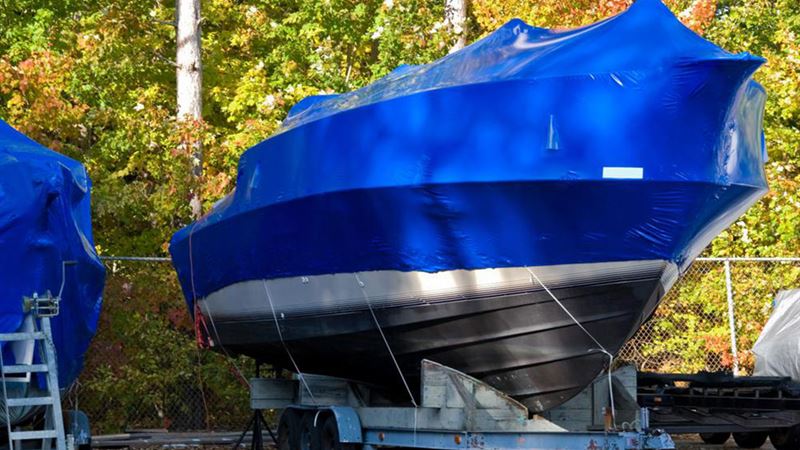
Owning a boat is a significant investment, and protecting it from environmental elements is crucial to ensure its longevity and optimal performance. Selecting the right boat cover involves understanding various factors that influence its effectiveness, durability, and compatibility with your vessel. This comprehensive guide walks you through essential considerations, helping you make an informed choice that safeguards your boat against weather, dust, UV rays, and other potential damages.
• Understanding Your Boat's Specifics - Before venturing into the market for a boat cover, it’s vital to gather detailed information about your boat. Know the exact model, size, type, and brand. This knowledge forms the foundation for selecting a cover that fits perfectly and offers maximum protection. Measure the length, width, and height of your boat accurately, focusing on the widest points to ensure compatibility.
• Varieties of Boat Covers - There are several styles designed to meet different needs and budgets. Custom-fit covers are tailored specifically for your boat based on precise measurements, offering the best fit, protection, and aesthetics. Although custom covers are more expensive, they guarantee a snug fit that minimizes movement and potential damage during harsh weather conditions.
• Semi-Custom Covers
- These are adjustable and designed to fit a range of boat sizes and shapes. They offer a middle ground in terms of cost and performance, providing adequate protection for most recreational boats. Semi-custom covers are ideal if your budget is limited but you still want a reliable covering solution.• Universal Boat Covers
- If budget constraints are a primary concern or if you own multiple boats of different sizes, the universal cover is a practical choice. Designed to fit a broad array of boats, these covers may not offer the snugness of custom options but still provide a reasonable degree of protection against environmental factors.• Size and Fit - Proper sizing is paramount to ensuring your boat remains protected without risk of damage. An overly tight cover can cause unnecessary friction and wear, while a loose cover might flap in the wind and eventually wear out or fail to protect the boat adequately. Measure the widest points—deck width, beam, and overall length—and select a cover that offers at least a few extra inches for comfort and secure fastening.
• Color Choices and their Implications - The color of your boat cover might seem trivial, but it influences durability and maintenance. Light-colored covers tend to show dirt more quickly and may suffer from less UV resistance, leading to faster degradation. Dark shades, on the other hand, offer better UV protection, heat resistance, and dust concealment, often making them a more practical choice for prolonged outdoor storage. Consider environmental exposure and personal aesthetic preferences when choosing the color.
• Fabric Materials and Their Usage - Fabric selection should align with how and where your boat is stored. Waterproof materials are essential for boats kept in water or exposed to rain, preventing water ingress and safeguarding against rust and corrosion. For boats stored indoors or in dry environments, breathable and moisture-controlling fabrics help prevent mold and mildew buildup. Common materials include heavy-duty polyester, marine-grade canvas, and vinyl, each offering different levels of durability, breathability, and UV resistance.
• Additional Features to Consider - Look for covers with reinforced seams, UV-resistant coatings, and secure fastening systems like elastic hems, straps, and buckles. Ventilation features are also beneficial, allowing airflow to prevent condensation and mold. Some covers come with additional accessories like storage bags and repair kits for extended usability.
• Maintenance and Care - To maximize the lifespan of your boat cover, regular cleaning and proper storage are essential. Rinse off dust, dirt, and salt deposits with fresh water, and use mild detergents for cleaning. Store the cover in a cool, dry place when not in use, and inspect for tears or wear periodically. This proactive approach guarantees that your cover remains effective and looks good over time.
In conclusion, investing time and effort into selecting the right boat cover pays off in the form of prolonged vessel life, reduced maintenance costs, and peace of mind. Evaluate your specific needs, consider all available options, and choose a cover that best aligns with your boat's specifications, usage habits, and environmental conditions.