
Ultimate Guide to Choosing the Perfect Boat Cover for Your Vessel
Discover detailed insights on choosing the perfect boat cover, including types, materials, measurements, and maintenance tips. Learn how to protect your boat effectively from weather damage, UV rays, and debris with the right cover tailored to your needs. Make an informed decision for long-lasting vessel protection and preservation.
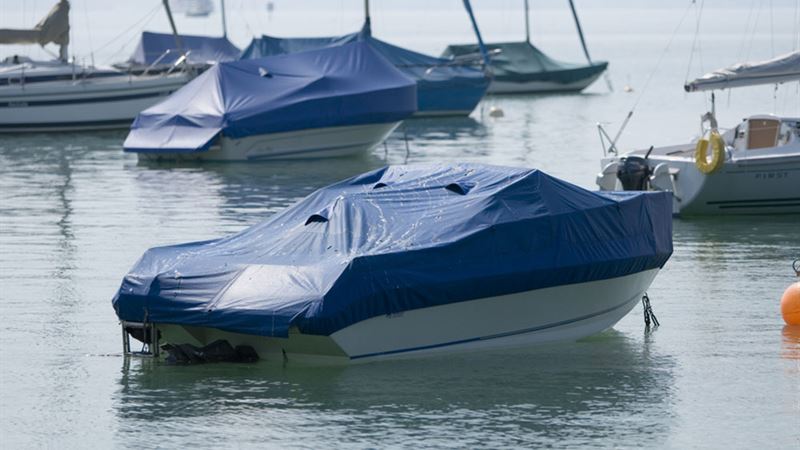
When it comes to safeguarding your boat, selecting the right cover is essential for maintaining its condition and ensuring longevity. Boat covers come in various styles and materials, designed to meet different needs, budgets, and usage scenarios. Understanding the distinctions among the types of boat covers and knowing how to choose the optimal one can save you money, time, and hassle in the long run. This comprehensive guide aims to walk you through the key factors to consider when purchasing a boat cover, the different types available, and how to care for your investment.
**Types of Boat Covers: Understanding Your Options**
- Custom Boat Covers: The pinnacle of protection and fit, custom covers are tailored specifically to your boat's make and model. These covers are designed after taking precise measurements, ensuring an exact fit that prevents water ingress, protects against UV rays, and shields your boat from dust, debris, and harsh weather conditions. While they often come at a higher price point, their perfect fit minimizes wear and tear, offering superior protection over time. If you own a high-value or long-term stored boat, investing in a custom cover can significantly enhance its lifespan and appearance.
- Semi-Custom Covers: Falling between custom and universal covers, semi-custom options are designed to fit a range of similar boat styles and sizes. These covers are pre-made based on common measurements, which means they will fit most boats within a certain size bracket but may not provide an impeccable fit for every vessel. They are a highly economical option, providing decent protection with the flexibility of use across multiple boat models. Ideal for boat owners who frequently switch between different boats or seek a balance between cost and coverage.
- Universal Boat Covers: Versatile and affordable, universal covers are designed to fit most boats within a specific size range. These covers are generally made with adjustable features, elastic hems, or drawstrings to accommodate various shapes and sizes. They are best suited for boats that are stored infrequently or used lightly, particularly when budget constraints exist. While universal covers provide a basic level of protection, they may not be as tight-fitting or durable as custom or semi-custom options, making them more suitable for short-term use or seasonal storage.
**The Importance of Accurate Measurements**
Before purchasing any boat cover, accurately measuring your vessel is crucial. The most critical measurement is the width at the widest point of your boat, usually across the beam. Additionally, it's important to measure the length from the bow to the stern, as well as the height from the keel to the highest point of the boat. Precise measurements ensure that the cover fits snugly without being too tight or too loose, thus providing optimal protection. Using a flexible measuring tape and consulting your boat's specifications can help achieve accurate results. Some manufacturers provide sizing charts and guidelines, which can make your selection process smoother.
**Choosing the Right Fabric for Your Boat Cover**
The material of your boat cover plays a pivotal role in its durability and effectiveness. Different fabrics are engineered to withstand various environmental conditions, from intense sunlight to persistent moisture. Here are common fabric options:
- Polyester: Known for its strength and resistance to stretching and shrinking, polyester is a popular choice for boat covers. It can be coated with waterproof agents to enhance weather resistance. Its durability makes it suitable for outdoor storage.
- Canvas: Traditional and breathable, canvas offers good protection against UV rays and rain. It is often used for semi-custom and custom covers, especially in combination with waterproof coatings.
- Polypropylene: A lightweight, affordable option that provides decent water resistance and UV protection. Suitable for short-term covers or occasional use.
- Silnylon or Nylon: These fabrics are lightweight and very water-resistant, often used for temporary or portable covers. They are easy to handle but may require additional UV protection treatments for prolonged outdoor exposure.
Select a fabric based on your local climate, exposure level, and storage conditions. For instance, if your boat remains outdoors all year, a fabric with strong UV resistance and water-repelling properties is advisable. Conversely, for boats stored indoors or in protected areas, less specialized fabrics may suffice.
**Color Considerations and Aesthetic Appeal**
Dark-colored covers tend to be more resistant to dirt accumulation, making them easier to maintain and keep looking clean over time. They also provide better UV protection, which extends the lifespan of the fabric. Light-colored covers, while reflecting more heat, might show dirt more prominently but can be preferable in hotter climates to reduce heat buildup under the cover.
**Proper Maintenance and Care of Boat Covers**
Maintaining your boat cover properly is essential for extending its useful life. Here are some practical tips:
- Regularly clean the cover with mild soap and water to remove dirt, salt, and other contaminants that could degrade the fabric.
- Avoid harsh detergents and abrasive scrubbers that can damage the material.
- Allow the cover to dry thoroughly before storage to prevent mold and mildew growth.
- Inspect the cover periodically for tears, loose fittings, or signs of UV damage, and repair or replace as necessary.
- Ensure that the cover is securely fastened and fits properly to prevent flapping in the wind, which could cause wear.
**Investing in Quality for Long-Term Benefits**
While it might be tempting to opt for the cheapest available cover, investing in a high-quality boat cover yields far better protection and durability. Considering the amount of money spent on your boat, it makes sense to safeguard it with a cover that can withstand changing weather conditions, UV rays, and exposure to dirt and debris. Though costly upfront, premium covers reduce the need for frequent replacements and extensive repairs, ultimately saving you money and time.
In conclusion, selecting the ideal boat cover involves understanding the different types available, taking precise measurements, choosing suitable fabrics, and maintaining the cover properly. Whether you require a custom-fit protection solution or an economical universal cover, prioritizing quality and fit will ensure your vessel remains in pristine condition for years to come. Protect your investment and enjoy peace of mind knowing your boat is well-guarded against the elements with a top-tier cover.