
Comprehensive Approaches to Managing Shingles: Medical and Natural Strategies
Learn effective strategies to treat shingles by combining conventional antivirals with natural remedies. Discover pain relief methods, dietary tips, home treatments, and immune-boosting practices to accelerate healing and prevent complications. This comprehensive guide offers valuable insights into managing shingles for faster recovery and improved comfort.
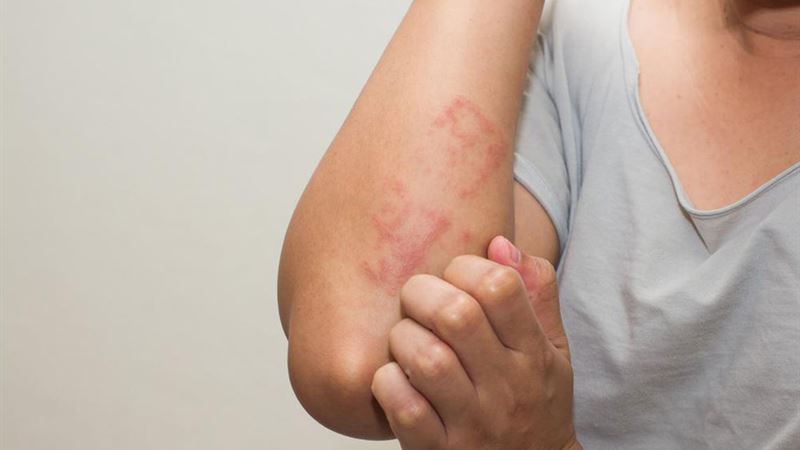
Shingles, also known as herpes zoster, is a painful viral skin condition caused by the reactivation of the varicella-zoster virus, which also causes chickenpox. It typically manifests as a band of blistering rashes accompanied by intense nerve pain. While antiviral medications are central to managing shingles, combining conventional treatments with natural remedies and lifestyle adjustments can significantly improve comfort and recovery. This comprehensive guide explores both medical options and holistic approaches to handling shingles effectively, offering insights into pain relief, speeding healing, and boosting immune health.
Pharmacological Treatments for Shingles
The primary goal of drug therapy in shingles management is to reduce the severity and duration of symptoms, decrease viral shedding, and prevent post-herpetic neuralgia, a chronic nerve pain condition that sometimes follows shingles. Prescription antiviral drugs are indispensable in achieving these goals. The most commonly prescribed antivirals include:
- Valacyclovir (Valtrex)
- Acyclovir (Zovirax)
- Famciclovir (Famvir)
These medications work by inhibiting viral replication, which lessens the intensity of outbreaks when started early, ideally within 72 hours of rash appearance. Prompt treatment can shorten the duration of symptoms and reduce the risk of complications.
Additional Medications to Alleviate Pain
Since shingles often involves nerve pain that can be debilitating, healthcare providers may recommend supplementary medications to manage discomfort:
- Anticonvulsants: Gabapentin (Neurontin) and pregabalin are used to calm nerve pain.
- Topical Agents: Capsaicin cream helps desensitize nerve endings, providing relief.
- Numbing Agents: Lidocaine patches, gels, or sprays temporarily block nerve signals to ease pain.
- Antidepressants: Tricyclic antidepressants like amitriptyline may help relieve nerve pain effectively.
- Steroid Injections: Corticosteroid injections combined with local anesthetics can provide targeted pain relief.
- Narcotic Medications: Opioids such as codeine are reserved for severe pain but require caution due to dependency risks.
Home Remedies and Lifestyle Measures for Shingles Relief
While medications are essential, natural remedies and lifestyle changes can enhance comfort and foster faster healing. Here are some proven approaches:
Healing Baths for Soothing the Skin
Keeping the skin clean and soothing irritated areas is fundamental. Daily cleansing of blisters with mild soap prevents secondary bacterial infections. Incorporating healing ingredients into baths can provide relief:
- Colloidal oatmeal or cornstarch: Mix 1-2 cups into lukewarm bathwater. Soaking for 15-20 minutes calms itchy skin and reduces inflammation. Avoid hot water, which may worsen blistering by increasing blood flow.
- Gentle patting dry with a clean towel helps prevent the spread of the virus and avoids irritation.
Cold Compresses for Immediate Pain Relief
Applying a cool, damp cloth or compress directly to affected areas can significantly reduce pain and itchiness. Soak a clean cloth in cold water, squeeze out excess moisture, and gently lay it over the rash. Repeat as needed throughout the day. It is important to avoid ice packs directly on the skin, as extreme cold can increase sensitivity and exacerbate discomfort.
Natural Soothing Agents
Creating a paste with natural ingredients can ease irritation:
- Baking soda or cornstarch paste: Mix two parts baking soda or cornstarch with one part water. Apply to rash for 10-15 minutes, then rinse off. Repeat multiple times daily if necessary.
- Calamine lotion: Applying after bathing can help dry out blisters and soothe inflamed skin.
Topical Products for Symptom Relief
Scented or perfumed creams should be avoided as they may cause further irritation. Instead, opt for fragrance-free soothing lotions or ointments:
- Capsaicin cream: Used 3-4 times daily, this contains chili pepper extract offering anti-inflammatory properties. Initially, a tingling sensation may occur but diminishes over time.
- Calamine lotion: Provides relief from itching and helps dry out blistered areas.
Dietary Strategies to Boost Immunity
A robust immune system is vital in combating shingles. Nutrition plays a key role in supporting your body's ability to fight the virus:
- Eat nutrient-rich foods high in vitamins A, C, E, B-1, and amino acids like lysine, which is known to inhibit herpes virus replication.
- Incorporate colorful fruits such as oranges, mangoes, and papayas, which are high in antioxidants.
- Consume leafy greens like spinach and kale that supply essential nutrients.
- Include proteins such as lean meats, eggs, beans, and wild-caught fish to support tissue repair and immune health.
- Opt for whole grains for sustained energy and vitamin B complex support.
Foods to Avoid
Certain foods can potentially exacerbate the condition or hinder healing:
- Foods rich in arginine, such as nuts, chocolate, and gelatin, can promote viral replication.
- High-sugar foods and beverages that may impair immune function.
- Foods high in saturated fats and refined carbs, which can promote inflammation.
Complementary and Alternative Medicine Options
Homeopathy and herbal remedies can support your immune system and reduce symptoms, but always consult a healthcare professional before starting any new treatment:
Homeopathic Remedies for Shingles
- Ranunculus bulbosus
- Rhus toxicodendron
- Graphites
- Arsenicum album
- Cantharis
- Hypericum
- Mezereum
Herbal and Natural Supplements
- Lemon balm (Melissa officinalis)
- Echinacea
- Oregano oil
- Melatonin
- Essential fatty acids (Omega-3s)
- St. John’s Wort
These can help modulate immune responses and reduce viral activity. Always consult a healthcare provider or herbalist for proper dosage and safety considerations.
Preventive Measures and General Tips
Preventing shingles involves maintaining a strong immune system through vaccination and healthy lifestyle choices:
- Get vaccinated with the shingles vaccine if eligible.
- Practice good hygiene to reduce the risk of viral spread.
- Manage stress through relaxation techniques like meditation and exercise.
- Ensure adequate sleep to support immune function.
Final Thoughts
Treating shingles requires a comprehensive approach that combines medical intervention, natural remedies, nutritional support, and lifestyle modifications. Early antiviral therapy, coupled with home remedies like soothing baths, cold compresses, and dietary adjustments, can significantly lessen pain and facilitate quicker healing. Consulting healthcare professionals about the best personalized treatment plan is essential, especially when considering alternative therapies or supplements. Taking timely action and maintaining a healthy lifestyle are vital steps toward recovery and reducing the risk of post-shingles complications.