
Comprehensive Guide to Shingles: Treatment Strategies and Natural Remedies
This comprehensive article explores effective treatments and natural remedies for shingles, emphasizing early intervention with antivirals, pain management techniques, and supportive care. It highlights the importance of prompt diagnosis to minimize complications like postherpetic neuralgia and discusses lifestyle strategies such as diet and stress reduction. Understanding these approaches can help individuals manage outbreaks better and improve recovery outcomes, reducing discomfort and preventing long-term issues related to shingles.
Understanding Shingles: Causes, Symptoms, and Risks
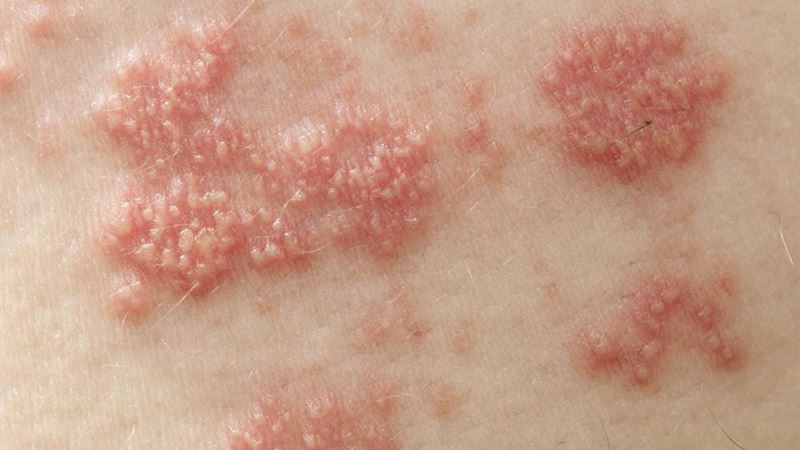
Shingles, also known as herpes zoster, is a painful condition caused by the reactivation of the varicella-zoster virus—the same virus responsible for chickenpox. Once a person recovers from chickenpox, the virus remains dormant in the nerve tissues but can reactivate later in life, especially when the immune system weakens due to aging, illness, or stress.
While many individuals may carry the dormant virus without experiencing symptoms, certain triggers like immune suppression, aging, or emotional stress can awaken the virus, leading to shingles. It is characterized by a painful rash that typically appears on one side of the body, often following the distribution of sensory nerves.
There is no definitive evidence pinpointing the exact cause of reactivation, but factors such as aging, compromised immune function, and certain medical conditions increase the risk. Notably, shingles can be contagious, and an infected person can spread the virus to individuals who have never had chickenpox or have not been vaccinated against it. This transmission occurs through direct contact with the fluid-filled blisters.
Although there's no cure for shingles, understanding the available treatment options can significantly alleviate symptoms, reduce the duration of the illness, and prevent long-term complications. Recognizing early signs and initiating treatment promptly are essential steps in managing shingles effectively.
Available Treatments for Shingles
While shingles cannot be completely eradicated once reactivated, current medical treatments aim to lessen pain, shorten illness duration, and prevent complications such as postherpetic neuralgia—a chronic pain condition that can persist long after the rash heals. Here, we explore various therapeutic interventions and supportive care strategies.
- Antiviral Medications: These are the cornerstone of shingles treatment, most effective when started within 72 hours of symptom onset. Common antivirals include acyclovir, valacyclovir, and famciclovir. They work by inhibiting viral replication, thereby reducing the severity and duration of symptoms and lowering the risk of complications. It is crucial to adhere to the prescribed dosage and course as recommended by healthcare providers.
- Pain Management: Pain relief is vital during shingles outbreaks. Nonsteroidal anti-inflammatory drugs (NSAIDs), acetaminophen, and opioids may be prescribed for severe pain. Additionally, certain antidepressants like amitriptyline and nortriptyline have been found effective in managing postherpetic neuralgia by modulating nerve pain signals.
- Topical Treatments: Applying capsaicin creams or topical anesthetics can help relieve localized nerve pain. Cool compresses and soothing creams containing lidocaine or corticosteroids may also provide temporary relief from skin inflammation and discomfort.
- Injections and Corticosteroid Therapy: In some severe or persistent cases, corticosteroids may be administered to reduce inflammation and swelling. This approach is often combined with antiviral drugs for optimal results, especially when nerve involvement is significant.
- Managing Postherpetic Neuralgia: For pain that continues beyond the rash healing, antidepressants, anticonvulsants like gabapentin or pregabalin, and topical analgesics are commonly used. These treatments aim to reduce nerve pain and improve quality of life.
- Addressing Complications: Severe complications such as disseminated zoster (widespread rashes and internal organ involvement) require aggressive antiviral therapy along with antibiotics if secondary bacterial infections occur. Hospitalization may be necessary for immune-compromised patients or those with organ involvement.
- Eye and Nerve Involvement: When shingles affects the ophthalmic nerve (herpes zoster ophthalmicus), urgent treatment with antivirals and eye care is critical to prevent vision loss. Patients may require corticosteroids, antiviral eye drops, or surgical intervention in severe cases.
Natural and Supportive Remedies for Shingles Relief
- Healing Baths: Taking a bath with colloidal oatmeal or cornstarch can soothe irritated skin. Use lukewarm water—hot water can exacerbate symptoms—and soak for at least 20 minutes. This natural remedy helps reduce itching and inflammation.
- Cold Compresses: Applying a cool, moist cloth on the affected area several times daily can help alleviate pain and lessen inflammation. Avoid applying ice directly to the skin, as extreme cold can cause additional sensitivity and irritation.
- Topical Pastes and Remedies: A paste made from cornstarch and baking soda applied to blisters can diminish itching and discomfort. Prepare the paste with equal parts of cornstarch and water or soda, apply for 15 minutes, and repeat as needed throughout the day.
- Dietary Tips to Support Immune Function: Strengthening your immune system is vital for recovery and preventing further outbreaks. Incorporate foods rich in vitamins A, B12, C, and E, as well as amino acids. Nutrient-dense options include oranges, leafy greens like spinach and kale, lean meats, eggs, and tomatoes. Adequate hydration and a balanced diet support the body's healing processes.
- Stress Reduction: Since stress can trigger reactivation, practices such as yoga, meditation, and deep breathing exercises can bolster immune health and reduce outbreak frequency.
- Supplements and Herbs: Some individuals find relief using herbal remedies like echinacea, garlic, or vitamin supplements, though always consult a healthcare provider before starting new supplements to ensure safety and efficacy.
In conclusion, while shingles remains a challenging viral condition with no definitive cure, prompt treatment and natural supportive care can greatly improve the quality of life for affected individuals. It is essential to seek medical advice early, adhere to prescribed therapies, and adopt lifestyle changes to enhance recovery and prevent complications.