
Comprehensive Guide to Managing Pink Eye with Proper Eye Drops and Treatments
Learn comprehensive strategies for treating pink eye, including the proper use of eye drops tailored to specific causes. This guide covers viral, bacterial, and allergic conjunctivitis, emphasizing safe application, effective medications, and when to seek medical attention. Protect your eye health with expert advice on managing symptoms and preventing complications for a swift and safe recovery from pink eye.
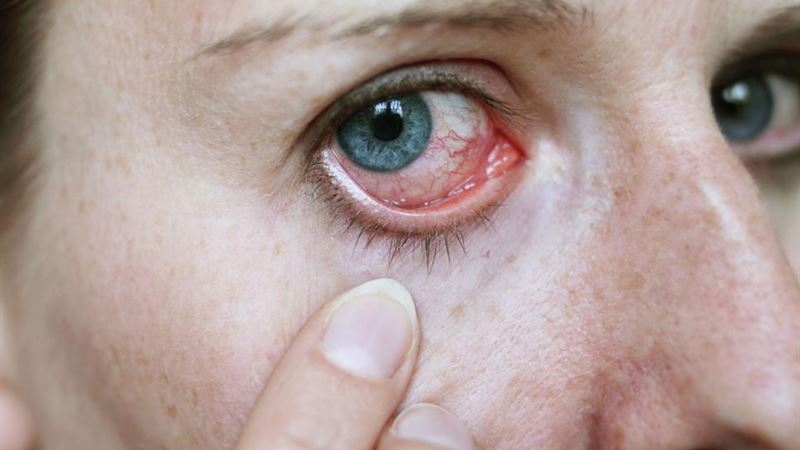
Pink eye, medically known as conjunctivitis, is a common condition that affects millions worldwide. It is characterized by inflammation or infection of the conjunctiva, the thin transparent layer covering the white part of the eye and the inner eyelids. Managing pink eye effectively requires an accurate diagnosis and appropriate treatment, often involving specialized eye drops. Proper hygiene and cautious handling are essential to prevent the spread of infection. This detailed guide will explore the different types of conjunctivitis, suitable treatments including eye drops, and important tips to ensure safe and effective management of pink eye.
Understanding Pink Eye: Types and Causes
Pink eye manifests in three primary forms: viral conjunctivitis, bacterial conjunctivitis, and allergic conjunctivitis. Each type has distinct causes, symptoms, and treatment approaches. Accurately identifying the type is crucial for effective treatment and preventing complications.
Choosing the correct treatment depends largely on the underlying cause. Using the wrong type of eye drops can exacerbate the condition or lead to other complications.
1. Viral Conjunctivitis: Supportive care such as artificial tears, cold compresses, and maintaining hygiene are usually sufficient. In some cases, antiviral medications might be recommended if caused by specific viruses like herpes simplex, but most resolve naturally.
2. Bacterial Conjunctivitis: Antibiotic eye drops or ointments are the mainstay of treatment. They help eliminate bacteria quickly and reduce contagiousness. Common antibiotics include aminoglycosides, fluoroquinolones, and sulfa-based medications.
3. Allergic Conjunctivitis: Antihistamine or mast cell stabilizer eye drops are used to control allergy symptoms. In severe cases, corticosteroid eye drops might be prescribed by your doctor for short-term use.
Ensuring Safe Use of Eye Drops
Proper application of eye drops is vital for effectiveness and preventing further infection. Always wash your hands thoroughly before administering eye drops. Avoid touching the tip of the bottle needle or dropper to your eye or eyelids to prevent contamination. Do not share eye drops with others to avoid cross-infection.
When to Seek Professional Help
If symptoms worsen or do not improve within a few days despite treatment, consult an eye specialist. Signs of complications include increased pain, vision changes, intense redness, or sensitivity to light. An ophthalmologist can perform detailed examinations, identify the precise cause, and prescribe the most effective treatment plan, which may include oral medications or injections in severe cases.
Prescription Eye Drops for Pink Eye: What You Need to Know
Prescription medications are essential for bacterial and certain allergic types of conjunctivitis. Only a licensed ophthalmologist or healthcare provider can prescribe the appropriate eye drops after a thorough evaluation.
Certain classes of antibiotics are commonly used in prescribed eye drops for pink eye:
While medication plays a significant role, incorporating home remedies under medical guidance can aid recovery and alleviate discomfort. Proper hygiene, avoiding touching or rubbing the eyes, and refraining from contact lens use during infection are crucial measures. Warm or cold compresses can soothe inflammation and reduce swelling. Maintaining a clean environment and disinfecting frequently touched surfaces help prevent reinfection.
Final Advice
Always consult an eye care professional before starting any treatment. Misuse of eye drops can lead to adverse effects or worsen the condition. Prompt and appropriate treatment ensures quick recovery, reduces the risk of complications, and minimizes the spread of infection to others.
Pink eye manifests in three primary forms: viral conjunctivitis, bacterial conjunctivitis, and allergic conjunctivitis. Each type has distinct causes, symptoms, and treatment approaches. Accurately identifying the type is crucial for effective treatment and preventing complications.
- Viral Conjunctivitis: This highly contagious form of pink eye is caused by viruses, often the same viruses responsible for the common cold. It spreads easily through contact with infected bodily fluids, such as tears or contaminated surfaces. Symptoms include redness, watery discharge, sensitivity to light, and a gritty feeling in the eye. Viral conjunctivitis often resolves on its own within one to two weeks, but symptom relief can be achieved with supportive care.
- Bacterial Conjunctivitis: This type results from bacterial infections and is characterized by a more pronounced sticky or pus-like discharge. It can affect one or both eyes and spreads through contact with infected hands, objects, or surfaces. Common bacteria involved include staphylococcus and streptococcus species. Antibiotic eye drops are usually prescribed to eliminate bacteria and accelerate healing.
- Allergic Conjunctivitis: Caused by allergens such as pollen, dust, pet dander, or mold, allergic conjunctivitis is not contagious. It often occurs seasonally or in response to specific allergens. Symptoms include intense itching, redness, watering, and swelling of the eyelids. Antihistamine eye drops and allergy medications are effective for relief.
Choosing the correct treatment depends largely on the underlying cause. Using the wrong type of eye drops can exacerbate the condition or lead to other complications.
1. Viral Conjunctivitis: Supportive care such as artificial tears, cold compresses, and maintaining hygiene are usually sufficient. In some cases, antiviral medications might be recommended if caused by specific viruses like herpes simplex, but most resolve naturally.
2. Bacterial Conjunctivitis: Antibiotic eye drops or ointments are the mainstay of treatment. They help eliminate bacteria quickly and reduce contagiousness. Common antibiotics include aminoglycosides, fluoroquinolones, and sulfa-based medications.
3. Allergic Conjunctivitis: Antihistamine or mast cell stabilizer eye drops are used to control allergy symptoms. In severe cases, corticosteroid eye drops might be prescribed by your doctor for short-term use.
Ensuring Safe Use of Eye Drops
Proper application of eye drops is vital for effectiveness and preventing further infection. Always wash your hands thoroughly before administering eye drops. Avoid touching the tip of the bottle needle or dropper to your eye or eyelids to prevent contamination. Do not share eye drops with others to avoid cross-infection.
When to Seek Professional Help
If symptoms worsen or do not improve within a few days despite treatment, consult an eye specialist. Signs of complications include increased pain, vision changes, intense redness, or sensitivity to light. An ophthalmologist can perform detailed examinations, identify the precise cause, and prescribe the most effective treatment plan, which may include oral medications or injections in severe cases.
Prescription Eye Drops for Pink Eye: What You Need to Know
Prescription medications are essential for bacterial and certain allergic types of conjunctivitis. Only a licensed ophthalmologist or healthcare provider can prescribe the appropriate eye drops after a thorough evaluation.
Certain classes of antibiotics are commonly used in prescribed eye drops for pink eye:
- Aminoglycosides: These potent antibiotics, such as gentamicin or tobramycin, are highly effective against bacterial infections. They work by killing bacteria directly and are typically prescribed for short courses.
- Combination Antibiotics: Drugs containing Trimethoprim, Polymyxin B, or other antibiotics combine multiple actions, preventing bacterial growth and killing existing bacteria.
- Fluoroquinolones: Ophthalmic solutions from this class are broadly effective against a wide range of bacteria responsible for conjunctivitis and corneal ulcers. Examples include ciprofloxacin and levofloxacin.
- Sulfa Antibiotics: These include sulfacetamide-based drops, which inhibit bacterial growth effectively. They are especially useful when other antibiotics are unsuitable.
- Specialized Allergic Conjunctivitis Treatments: For allergic causes, medications may contain corticosteroids or antihistamines exclusively prescribed after diagnosis.
While medication plays a significant role, incorporating home remedies under medical guidance can aid recovery and alleviate discomfort. Proper hygiene, avoiding touching or rubbing the eyes, and refraining from contact lens use during infection are crucial measures. Warm or cold compresses can soothe inflammation and reduce swelling. Maintaining a clean environment and disinfecting frequently touched surfaces help prevent reinfection.
Final Advice
Always consult an eye care professional before starting any treatment. Misuse of eye drops can lead to adverse effects or worsen the condition. Prompt and appropriate treatment ensures quick recovery, reduces the risk of complications, and minimizes the spread of infection to others.