
Comprehensive Guide to Common Eye Disorders: Recognizing Symptoms and Seeking Treatment
This detailed guide explores common eye diseases, their symptoms, causes, and treatment options. Recognizing early signs like eye redness, vision problems, or sensitivity issues can save your sight. Regular eye exams are crucial for early detection and effective management. Learn how conditions such as cataracts, glaucoma, conjunctivitis, and presbyopia affect vision and when to seek professional help to maintain healthy eyesight for life.
Understanding Common Eye Conditions and Their Indicators
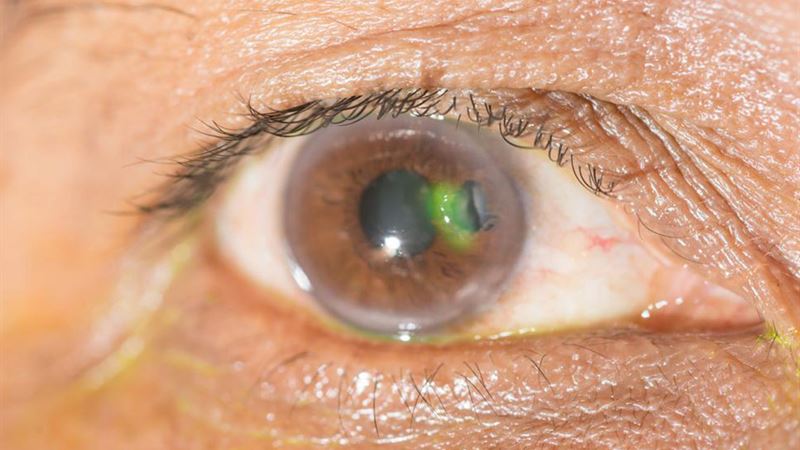
Our eyes are intricate organs vital for our daily functioning, yet they are vulnerable to numerous ailments that can impair vision and quality of life. Recognizing the symptoms of various eye diseases early on is crucial for effective management and preservation of eyesight. From minor inconveniences like eye fatigue to serious conditions such as glaucoma or cataracts, understanding these signs can facilitate timely medical consultation and treatment.
Signs and Symptoms of Common Eye Problems
Identifying symptoms promptly can help diagnose and treat eye conditions before they cause irreversible damage. Here are some of the most prevalent symptoms associated with eye health issues:
- Persistent eye strain, soreness, or a burning sensation
- Dryness or excessive tearing
- Blurry or double vision
- Persistent headaches linked to visual strain
- Soreness or discomfort in the neck, shoulders, or back due to eye strain
- Increased sensitivity to light (photophobia)
- Difficulties focusing or concentrating
- An inability to keep eyes open comfortably
Red Eyes: Causes, Symptoms, and When to See a Doctor
Red eyes, also known as bloodshot eyes, may appear after a long day or due to underlying health issues. The redness results from blood vessels on the surface of the eye becoming irritated or inflamed. Causes can range from minor fatigue to infections or allergies. If redness persists or is accompanied by pain, vision changes, or discharge, medical attention is essential.
- Gritty sensation or foreign body feeling
- Burning or stinging in the eye
- Intermittent blurred vision
- Heavy eyelids or difficulty opening eyes
- Inability to produce tears
- Eye fatigue or discomfort after prolonged use
- Stringy or mucous-like discharge
- Irritation with contact lens use
Night Blindness: Recognizing and Managing the Condition
Difficulty seeing in low-light conditions or at night, known as night blindness, can significantly impact daily life, especially nighttime driving. Causes may include vitamin A deficiency, cataracts, retinal issues like diabetic retinopathy, or prior eye surgeries such as LASIK. Early diagnosis is key to preventing progression and maintaining good night vision.
- Reduced vision under dim lighting
- Struggles with night-time navigation
- Slow adjustment of vision when transitioning from bright to dark environments
Conjunctivitis: Symptoms and Treatment
This common infection, often called pink eye, involves inflammation of the conjunctiva—the thin membrane covering the sclera and inner eyelids. Causes include bacterial or viral infections, allergies, or irritants like smoke and chemicals. While it is contagious and uncomfortable, prompt treatment can prevent complications.
- Redness in the white of the eye
- Swelling of eyelids
- Itching or burning sensations
- Enlarged lymph nodes near the ears
- Excessive tearing
- Sticky, whitish discharge especially upon waking
Cataracts: Understanding the Clouding of the Eye Lens
Cataracts are characterized by clouding of the eye's natural lens, leading to blurry vision and difficulty seeing clearly. As the lens becomes opaque, light struggles to pass through effectively, resulting in a foggy or frosted glass appearance. It commonly develops with age but can also be influenced by sun exposure, diabetes, or injury.
- Cloudy, blurred, or dim vision
- Impaired night vision or difficulty driving after dark
- Sensitivity to bright lights and glare
- Need for brighter lighting when reading or performing detailed tasks
- Seeing halos or glare around lights
- Frequent changes in spectacle prescription
- Yellowing or fading of colors
- Double vision occurring in one eye
Glaucoma: The Silent Threat to Sight
This group of eye conditions damages the optic nerve, often due to increased intraocular pressure. Since early symptoms rarely appear, routine eye examinations are vital for detection. If untreated, glaucoma can cause irreversible blindness. Types include open-angle glaucoma, which develops slowly, and acute angle-closure glaucoma, which presents severe symptoms.
- Patchy blind spots or loss of peripheral vision
- Tunnel vision in advanced stages
Acute angle-closure glaucoma symptoms include:
- Severe headache and eye pain
- Nausea and vomiting
- Blurred vision and halos around lights
- Redness of the eye
Timely treatment is essential to prevent progression to total blindness. Management involves medication, laser therapy, or surgery depending on the severity and type.
Presbyopia: Age-Related Near Vision Loss
Presbyopia commonly affects individuals over 40, resulting in difficulty focusing on close objects despite normal distance vision. The lens of the eye becomes less flexible with age, making close-up tasks like reading or sewing challenging.
- Headaches or eye strain after reading or close work
- Difficulty reading small print
- Necessity for brighter lighting during reading
- Holding reading material at arm's length to achieve clarity
Corrective lenses, such as reading glasses or multifocals, effectively address presbyopia. Regular eye check-ups ensure appropriate vision correction and overall eye health management.
Maintaining awareness of these common eye diseases, their symptoms, and treatment options empowers individuals to seek early intervention, thereby safeguarding their vision and quality of life. Routine comprehensive eye examinations are essential in detecting issues before they progress to more severe stages.