
Effective Ways to Alleviate Pain at the Top of the Foot
Discover comprehensive strategies to relieve top of foot pain caused by common conditions like stress fractures, tendinitis, gout, and nerve issues. Learn about symptoms, causes, and effective treatments including home remedies, lifestyle changes, and medical options for lasting relief and improved mobility.
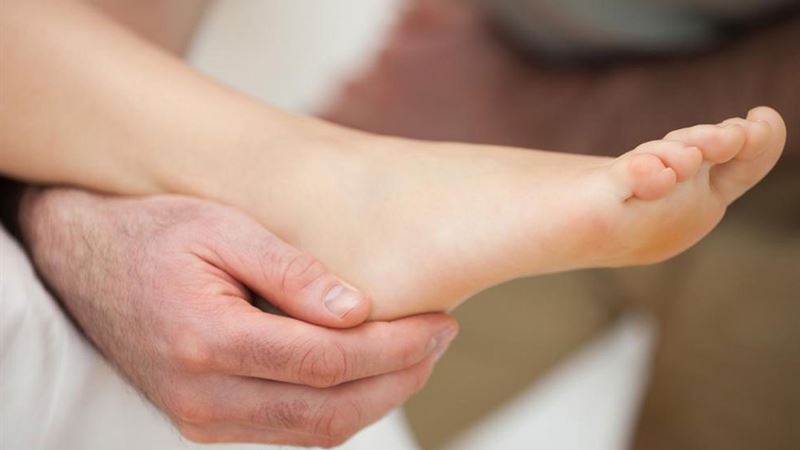
Stress fractures are among the most common causes of top of foot pain, often resulting from repetitive overloading and high-impact activities. These tiny cracks in the bones, particularly in the metatarsals, demand proper diagnosis and careful management. Symptoms include localized tenderness, swelling, and pain that worsens with activity. Treatment usually involves a combination of rest, immobilization, ice application, pain relievers, and in some cases, surgical intervention if the fracture is severe.
Extensor tendinitis is another frequent source of discomfort at the top of the foot, characterized by inflammation of the tendons responsible for lifting the toes and foot. This condition often arises from wearing ill-fitting shoes, overuse, inadequate stretching, or biomechanical abnormalities. Symptoms include swelling, tenderness, and sometimes bruising. Managing tendinitis often involves rest, ice packs, calf muscle stretching, orthotics, and in some cases ultrasound therapy to reduce inflammation. Adjusting footwear and avoiding excessive impact activities can prevent recurrence.
Sinus Tarsi Syndrome is an uncommon but significant contributor to top foot pain, especially in individuals with a history of ankle sprains or biomechanical abnormalities. This syndrome involves inflammation around the sinus tarsi, a small cavity located between the heel bone and ankle. Patients typically experience localized pain, swelling, and instability, which may radiate toward the external ankle. Treatment strategies include stabilization exercises, ice therapy, joint mobilizations, and in persistent cases, surgical consultation.
Mallet toe is a deformity that affects the toes, especially the little toe, causing abnormal bending and stiffness. This condition can result from trauma, arthritis, or neuromuscular issues, ultimately leading to discomfort, calluses, and corns. Pain is often coupled with difficulty wearing tight shoes, and if left untreated, it can worsen over time. Proper footwear fitting, splinting, and in some cases, surgical correction are effective management options.
Gout, a form of inflammatory arthritis, frequently causes sudden and intense pain at the base of the big toe but may also affect other areas of the top of the foot. It is caused by the build-up of uric acid crystals in joints, leading to swelling, redness, and warmth. Factors like obesity, diabetes, and diet can contribute to gout development. Treatment includes anti-inflammatory medications, ice packs, lifestyle modifications, and reduced dietary intake of purines.
Nerve entrapment occurs when a nerve on the top of the foot becomes compressed by surrounding tissues or swelling, leading to sharp, shooting pain, tingling sensations, and a pins-and-needles feeling. Common causes include injury, tight footwear, or trauma. The management focuses on wearing properly fitted shoes, minimizing swelling, and following RICE protocols (rest, ice, compression, elevation). Persistent nerve issues may require physical therapy or medical intervention.
Athlete’s foot is a common fungal infection affecting various parts of the foot, especially the top and sides. It is often caused by poor hygiene, excessive moisture, tight footwear that traps sweat, and contaminated surfaces. Symptoms include itching, burning, redness, blisters, and peeling skin. Without proper treatment, the infection can worsen, leading to discomfort and secondary bacterial infections. Remedies include antifungal creams, maintaining good hygiene, wearing breathable footwear, and avoiding walking barefoot in communal areas.