
Comprehensive Guide to Effective Heel Pain Management and Treatment Options
Discover comprehensive strategies for diagnosing and treating heel pain effectively. Learn about non-surgical options, proper footwear, and when surgery might be needed to alleviate discomfort and improve your foot health. Early intervention and customized treatment plans can help restore comfort and mobility quickly.
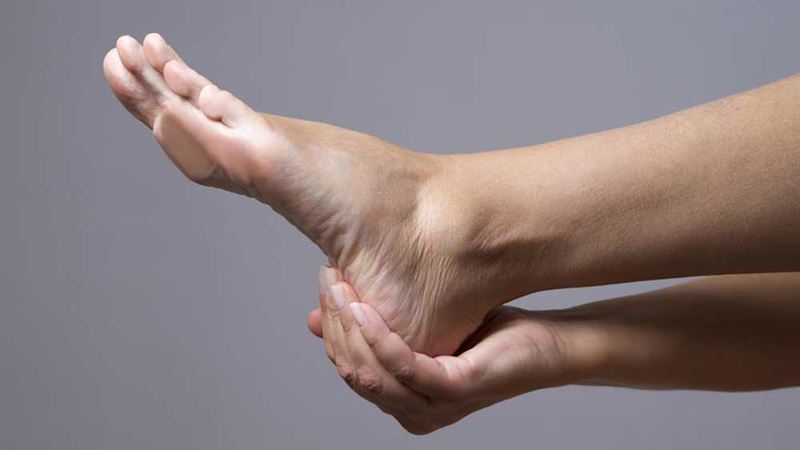
Heel discomfort is a common condition that can significantly impact daily activities and overall quality of life. Heel pain can range from mild discomfort to severe, debilitating pain, often influencing mobility and activity levels. Understanding the various causes, diagnostic procedures, and treatment options is essential for effective management. Factors such as excess weight, improper footwear, repetitive stress, and underlying medical conditions can contribute to heel pain. Addressing these factors early can lead to quicker recovery and prevent long-term complications.
Diagnosis of Heel Pain: Pinpointing the Root Cause
The first step toward effective treatment involves accurate diagnosis. Healthcare professionals perform detailed physical assessments, examining the foot's structure, alignment, and areas of tenderness. A thorough medical history includes questions about activity levels, footwear habits, weight changes, and previous injuries. Diagnostic imaging procedures such as X-rays, ultrasound, or MRI scans are often utilized to identify abnormalities like bone spurs, fractures, inflammation, or other structural issues within the heel.
Understanding Common Causes of Heel Pain
Heel pain can emanate from various conditions, each requiring tailored treatment strategies. The most frequent causes include plantar fasciitis, Achilles tendinitis, heel spurs, bursitis, and stress fractures. Plantar fasciitis involves inflammation of the thick band of tissue running along the bottom of the foot, often causing stabbing pain in the morning. Achilles tendinitis affects the Achilles tendon, leading to pain and stiffness at the back of the heel. Heel spurs are bony outgrowths that may not always cause symptoms but can contribute to pain when present. Additionally, bursitis and stress fractures can cause localized discomfort and swelling.
Non-Invasive Treatment Modalities for Heel Pain
Many cases of heel pain can be effectively managed without surgery. Initial treatment focuses on alleviating inflammation, reducing stress on the heel, and correcting contributing habits. Rest is fundamental; avoiding activities that exacerbate pain allows tissues to heal. Applying ice packs for 15-20 minutes several times daily reduces swelling and soreness. Using a thin cloth to prevent direct contact helps avoid frostbite. Over-the-counter non-steroidal anti-inflammatory drugs (NSAIDs) like ibuprofen or naproxen can relieve pain and decrease inflammation. Stretching exercises focusing on the Achilles tendon and plantar fascia help improve flexibility and reduce strain. Proper footwear is crucial—shoes with adequate arch support, cushioning, and shock absorption can significantly diminish heel stress. In some cases, orthotic inserts or heel pads are recommended to provide additional cushioning and stabilize the heel.
Modifying daily activities to prevent excessive pressure on the heel, along with weight management, can expedite recovery. It’s also essential to avoid walking barefoot on hard surfaces and to opt for supportive footwear during activities. Physical therapy may be prescribed to strengthen surrounding muscles and improve foot biomechanics, creating a more balanced gait and reducing heel stress.
When Surgical Intervention Becomes Necessary
Surgery is considered a last resort for persistent heel pain that does not respond to conservative treatments. Indications include chronic plantar fasciitis unresponsive to prolonged non-invasive management, recurrent heel spurs causing significant discomfort, severe Achilles tendinitis, or fractures. Common surgical procedures include plantar fascia release, removal of heel spurs, or repair of damaged tendons. The decision for surgery involves thorough evaluation and consideration of patient health, activity level, and specific condition severity. Post-operative rehabilitation is vital for successful recovery, involving physical therapy and gradual return to normal activities.
It’s noteworthy that the majority of heel pain cases improve significantly with appropriate care, reducing the need for invasive procedures.
Heel pain typically manifests as a dull or sharp ache at the bottom or back of the heel, gradually worsening if untreated. Early diagnosis and intervention are key to preventing chronic issues. By adopting correct footwear, engaging in targeted exercises, and seeking timely medical advice, individuals can effectively manage heel pain and restore their mobility and comfort.