
Effective Strategies to Extend the Lifespan of Your Garage Doors and Prevent Damage
Learn comprehensive methods to extend the lifespan of garage doors and prevent damage. Regular inspections, proper maintenance, protective measures, and timely repairs can ensure your garage doors remain durable and functional for years. Discover expert tips on preventing rust, warping, and mechanical failure, along with advice on choosing quality doors and professional upkeep for optimal performance and long-term savings.
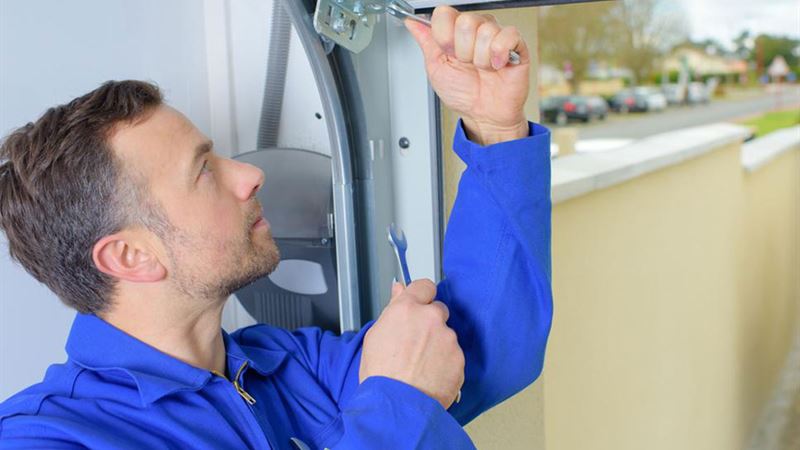
Comprehensive Inspection and Maintenance: Regular inspection is the foundation of preventive maintenance. Create a schedule — at least twice a year — to thoroughly examine your garage doors. Look for signs of rust, corrosion, dents, warping, or misalignment. Pay special attention to the hardware components such as hinges, springs, rollers, and cables. Detecting early signs of damage allows for prompt repairs, preventing minor issues from escalating into major failures. Lubricate moving parts periodically with appropriate lubricants like silicone spray or garage door-specific lubricants to ensure smooth operation and reduce wear caused by friction.
Addressing Rust and Corrosion: Metal garage doors are particularly vulnerable to rust, especially in humid or coastal environments. Rust acts as a catalyst for structural deterioration. To prevent this, regularly clean the door surface with a mild detergent and water, then dry thoroughly. Applying a rust-inhibiting primer followed by a high-quality paint or protective coating forms a barrier against moisture. For existing rust spots, use a wire brush or rust removal products before repainting. This maintenance not only preserves aesthetics but also reinforces structural integrity.
Wooden Garage Doors Care: Wooden garage doors require distinct maintenance compared to metal ones. Periodic painting or sealing helps protect the wood from moisture infiltration, which can lead to swelling, warping, or termite infestation. Use weather-resistant paints or coatings designed specifically for outdoor wood surfaces. Additionally, inspect for cracks or splits and address them promptly with appropriate filler and paint. Ideally, schedule professional inspections annually to assess the overall health of the wood and undertake necessary repairs.
Ensuring Proper Hardware Functionality: The mechanical parts of garage doors—springs, tracks, hinges, and rollers—are critical for smooth operation. Over time, these parts can become loose, worn, or misaligned. Tighten loose bolts and screws, replace worn rollers, and adjust the tracks to ensure the door moves along a straight path. Proper alignment prevents uneven stress, reduces noise, and minimizes the risk of sudden door failure. If you notice persistent squeaking, grinding, or jerking movements, seek professional assistance for a precise diagnosis and repair.
Maintaining the Balance and Alignment: An improperly balanced garage door can cause uneven wear on springs and cables. Periodically disconnect the door from the automatic opener (by ensuring safety with manual locks) and manually lift it halfway. It should stay in place without drifting up or down, indicating proper balance. Also, visually inspect the alignment of rollers within the tracks for signs of skewing or obstructions. Routine adjustments and realignment contribute significantly to the longevity of your garage door.
Painting and Varnishing: Beyond aesthetic appeal, painting or varnishing provides an essential protective layer against environmental damages. Choose high-quality, weatherproof paints for metal doors and appropriate sealants for wood doors. Regular repainting not only prevents rust and rot but also keeps the surface looking fresh and new. The frequency of repainting depends on exposure conditions; typically, every 2-3 years is recommended. Before painting, ensure the surface is clean, free of rust, and properly prepared for adhesion.
Weatherproofing and Insulation Tips: Extreme weather conditions, such as heavy rain, high humidity, or scorching heat, can accelerate garage door wear. Installing weatherstripping around the door perimeter helps seal gaps, preventing water ingress, dust, and pests. For additional insulation, consider upgrading to insulated doors, which also help regulate indoor temperatures and reduce energy costs. Proper insulation can reduce stress on the door's mechanical systems, contributing to longer lifespan and enhanced durability.
Protecting Against Vandalism and Impact Damage: Installing protective measures such as bollards or impact-resistant panels can safeguard your garage doors from accidental or intentional damage. Avoid slamming or forcing the door open, and educate household members or employees about proper operation. In high-traffic or vulnerable areas, consider installing security cameras or alarms as deterrents to vandalism.
Choosing Quality Garage Doors from the Start: Investing in high-grade, durable garage doors drastically reduces future maintenance needs and repair costs. While initially more expensive, professional-grade doors are built to withstand environmental stressors, daily usage, and potential impacts. Select doors made from corrosion-resistant materials, reinforced hardware, and features tailored to your climate. Consulting with a professional installer ensures correct installation, optimal operation, and longevity.
Professional Maintenance and Repairs: While routine care can prevent many issues, some situations require professional expertise. Regularly schedule professional inspections, ideally annually, to assess structural integrity and mechanical performance. Certified technicians can identify hidden problems, perform complex adjustments, and recommend upgrades. Proactive professional maintenance minimizes unexpected breakdowns, extends the lifespan of your garage doors, and enhances safety.
Cost-Effective Upgrades and Replacement: When repairs become frequent or extensive, it might be more economical to replace the entire door. Modern garage doors offer advanced features like improved insulation, enhanced security, and smart technology integration. Choose a style and material that matches your property's aesthetic and functional needs. Proper installation and quality craftsmanship ensure many years of reliable service.
Taking diligent care of your garage doors is a wise investment that pays off by maintaining safety, functionality, and curb appeal. Incorporate these preventive maintenance strategies into your routine, address issues promptly, and leverage professional assistance when needed. Not only will your doors operate smoothly and last longer, but you'll also avoid unnecessary expenses and the inconvenience of unexpected breakdowns. Remember, well-maintained garage doors are essential for the security and value of your property, making regular upkeep a priority.