
Comprehensive Guide to Effective Garage Door Maintenance and Prevention Strategies
Discover comprehensive strategies for maintaining and preventing garage door issues. Learn about common problems like rust, misalignment, and mechanical wear, along with practical preventive measures. Expert tips help extend your garage door's lifespan, improve safety, and save on costly repairs. Regular inspections and professional maintenance are key to ensuring smooth operation and security in your home. This guide provides valuable insights for homeowners seeking to keep their garage doors in top condition, even amidst harsh weather conditions or frequent use.
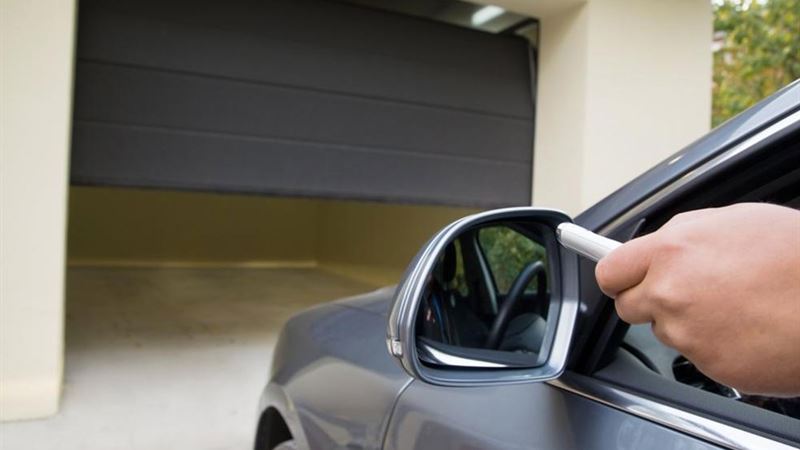
Understanding Common Problems in Garage Doors
Garage doors are subject to various problems over time, many of which stem from environmental exposure, material degradation, or mechanical failures. Recognizing these issues early can make repairs more manageable and less costly.
Rust Formation and Corrosion
Exposure to moisture, especially in humid or rainy climates, accelerates the rusting process. Rust not only deteriorates the appearance of your garage door but also weakens its structural integrity. Rusted parts can cause the door to jam or become difficult to operate, posing safety hazards.
Mechanical Wear and Tear
Garage doors have moving components such as springs, rollers, hinges, and tracks. Continuous use can lead to wear and tear, affecting the smooth operation of the door. Worn-out springs may cause the door to become heavy or unbalanced, risking sudden falls or failures.
Door Opener Malfunctions
Electric garage door openers are convenient but susceptible to malfunctions over time. Issues such as misaligned sensors, worn belts, or motor failures can prevent the door from opening or closing properly. Regular inspection of the opener system is essential to ensure safety and efficiency.
Damaged or Broken Springs
Garage door springs are under high tension and can break suddenly due to fatigue. A broken spring renders the door inoperable or insecure, creating safety and security concerns. Recognizing early signs of spring wear, like difficulty in opening the door, can prevent accidents.
Track Problems and Door Jamming
Misaligned or bent tracks can cause the door to jam or move unevenly. Debris and dirt accumulation can also hinder the smooth movement of rollers along the tracks. Routine cleaning and alignment help Avoid more serious damage.
Environmental Effects on Garage Doors
Extreme weather conditions, such as heavy rain, snow, hail, or UV exposure, accelerate the deterioration of garage doors. Proper sealing, insulation, and protective coatings are vital to counteract these effects.
Preventive Measures for Garage Door Longevity
Taking regular steps to maintain and inspect your garage door can significantly extend its lifespan and prevent costly repairs.
Regular Lubrication and Inspection
Lubricate moving parts, including rollers, hinges, and springs, with appropriate lubricants to reduce friction. Periodic inspections help identify early signs of wear, corrosion, or misalignment.
Ensure Proper Balance and Alignment
An unbalanced door puts extra strain on springs and opener systems. Test the balance by disconnecting the opener and manually lifting the door halfway. It should stay in place; if not, professional adjustment is recommended.
Cleaning and Removing Debris
Clear any dirt, leaves, or debris from tracks and around the door. Keep sensors clean and aligned for safe operation.
Sealing and Weatherproofing
Apply weather stripping around the edges and seal any gaps to prevent water ingress and protect against weather damage.
Professional Maintenance and Repairs
Schedule annual check-ups with trained technicians to examine and service your garage door system. Address issues such as cable tension, spring integrity, and motor performance proactively.
Choosing the Right Materials and Installation Techniques
Opt for high-quality materials suited for your local climate. Proper installation by experienced professionals ensures stability, safety, and long-term performance.
Safety Precautions and Best Practices
Always disconnect power before performing any maintenance. Keep remote controls out of reach of children. If you notice unusual noises, slow responses, or difficulty operating your garage door, seek professional help promptly.
Understanding the Cost Implications
Neglecting maintenance can lead to expensive repairs or replacements. Investing in preventative care is cost-effective compared to emergency fixes.
Additional Tips for Homeowners
Keep an eye on the door's movement, listen for unusual sounds, and monitor sensor lights. Educate family members about safety practices, such as avoiding walking under a moving door.
Conclusion
Garage door maintenance requires ongoing attention to details, environmental considerations, and proper use. Regular inspections and prompt repairs not only prolong the life of your garage door but also enhance safety and home security. By following these comprehensive guidelines, homeowners can ensure their garage doors remain reliable and functional for years to come.