
Mastering the Art of Homemade Pizza: A Comprehensive Guide to Delicious Craftsmanship
Learn how to craft perfect homemade pizza with expert tips on dough preparation, crust baking, sauce making, and topping techniques. This comprehensive guide helps you create restaurant-quality pies at home, emphasizing ingredient quality, proper fermentation, and baking methods for delicious results every time.
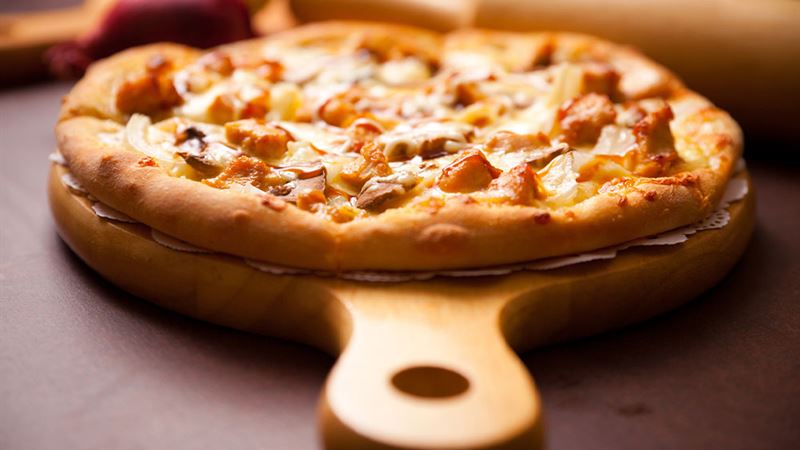
Crafting a perfect homemade pizza involves a combination of precise techniques, quality ingredients, and a touch of creativity. Many home chefs face issues such as uneven baking, tough crusts, or bland flavors, often due to overlooked details in the preparation process. This detailed guide aims to provide you with insider tips and step-by-step instructions to elevate your pizza making skills, ensuring you produce restaurant-quality pies in your own kitchen. From selecting ingredients to baking and topping techniques, every aspect is covered to help you create a mouthwatering pizza every time.
Preparing the Perfect Dough
The foundation of any great pizza is its dough. Achieving the ideal dough consistency requires patience and attention to detail. One common mistake is rushing the hydration process; allowing the flour to fully absorb the water is essential for a soft, elastic crust. When this step is neglected, the resulting crust tends to be hard, crumbly, and difficult to work with.
Instead of purchasing pre-made bases, making fresh dough from scratch ensures better flavor and texture. Use high-quality bread flour or Italian 00 flour for authentic results, as these flours contain higher gluten content, which provides the necessary elasticity. Activating the yeast properly is crucial: dissolve the yeast in warm water with a pinch of sugar and let it sit until it becomes frothy. This step confirms that the yeast is active.
Kneading is another vital step. Knead the dough until it becomes smooth and slightly tacky without sticking excessively. Proper kneading incorporates air into the mixture, which improves the dough's structure and results in a light, airy crust. Using a stand mixer with a dough hook can make this process easier, but manual kneading is equally effective if done correctly.
Allow the dough to ferment well—at least one to two hours at room temperature, or overnight in the refrigerator for enhanced flavor. Cover the dough with a damp cloth or plastic wrap to prevent it from drying out. Proper fermentation develops the dough’s flavors and creates a more tender crust that holds toppings better.
Crafting and Baking the Crust
The crust is the canvas of your pizza, and its preparation influences the final outcome significantly. Baking the crust separately before assembling the pizza ensures even cooking and prevents sogginess caused by excess moisture from toppings. Applying a thin layer of olive oil on the crust edges before baking can enhance browning and keep the edges fluffy and flavorful.
There are various crust styles depending on personal taste and regional preferences. Here are some popular options:
Thin Crust
Use a smaller amount of dough and stretch it thinly over the baking surface. This crisp and light crust is perfect for those who prefer a crunchier bite. To achieve an evenly thin crust, use a rolling pin or stretch the dough gently by hand, ensuring uniform thickness.
Thick Crust
Opt for a more substantial crust by using a larger quantity of dough and a deep-dish pizza pan. Allow the dough to rise a second time if necessary to develop further volume. A thicker crust offers a hearty base that can support generous toppings and fillings.
Soft and Chewy Crust
For a tender, melt-in-your-mouth experience, incorporate more water into your dough and reduce the flour slightly. Use low-gluten flour to achieve greater softness. Let the dough ferment slowly for several hours or overnight, which allows the gluten to develop fully and results in a dough that is easy to chew and delightfully pliable.
Creating Flavorful and Rich Pizza Sauce
The sauce plays a pivotal role in defining your pizza’s flavor profile. Instead of relying on store-bought processed sauces, challenge yourself to make your own from fresh ingredients. Homemade sauces offer a richer taste and better control over seasoning and consistency.
Start by choosing ripe, flavorful tomatoes. Blanch the tomatoes in hot water, peel off the skins, then drain excess water through a colander. Blend the tomatoes with a small amount of sugar, salt, garlic, and a splash of olive oil to achieve a thick, pizza-worthy consistency. Cooking the sauce lightly or not at all preserves the fresh, vibrant flavor.
Applying a generous layer of sauce over the crust ensures a flavorful base that won’t dry out during baking. For added depth, spread a little sauce on the toppings before baking to prevent burning and to infuse the flavors further. Remember, a thicker sauce yields a more intense taste, so don’t skimp on the quantity.
The Art of Topping Selection and Placement
Toppings personalize your pizza and elevate its taste. The key is to balance flavor, moisture, and texture. Before adding toppings, remove excess moisture from ingredients like vegetables by patting them dry or pre-cooking when necessary to avoid sogginess.
Use a moderate amount of cheese, preferably low-moisture mozzarella or other cheeses with lower water content. This prevents the crust from becoming soggy and ensures a chewy, gooey texture. Sprinkle herbs like oregano, crushed before adding, for aromatic bursts that complement the flavors. For added richness and savory notes, include toppings like bacon, ham, chicken, or fresh vegetables such as bell peppers, olives, and onions.
For optimal taste, layer toppings thoughtfully—cheese first, then hearty ingredients, and sprinkle herbs towards the end of baking. This arrangement ensures each component cooks evenly and enhances the overall taste. Lightly dusting the toppings with cornmeal before transferring your pizza to the oven can also prevent sticking and contribute to a crispy底.
Achieving the Perfect Bake
Preheat your oven to a high temperature—ideally between 475°F (245°C) and 500°F (260°C). A hot oven ensures rapid cooking, resulting in a crispy crust and well-cooked toppings. Use a pizza stone or steel for even heat distribution. Place the stone in the oven during preheating to mimic an authentic pizza oven effect.
Transfer your assembled pizza onto a baking sheet or peel, then slide it onto the preheated stone or directly on the oven rack. Bake for about 10-15 minutes, monitoring regularly to avoid burning. The crust should turn golden and crisp, with cheese bubbling and toppings cooked through.
Once baked, let your pizza rest for a few minutes before slicing. This allows the flavors to meld and the cheese to set, making for cleaner slices and a more enjoyable experience.
Final Tips for Pizza Perfection
Experiment with different ingredient combinations and baking techniques to find your signature style. Fresh ingredients, proper dough fermentation, controlled moisture content, and precise baking are the secrets to pizza excellence. Whether you prefer thin and crispy, thick and doughy, or soft and chewy crusts, mastering each step guarantees a satisfying homemade pizza that rivals any restaurant. Share your creations with friends and family and enjoy the satisfaction of crafting a truly memorable meal from scratch.