
Essential Guide to Proper Maintenance of Your Above Ground Swimming Pool
Learn how to properly maintain your above ground pool with our detailed guide. From circulation and filtration to cleaning, testing, and chemical treatments, discover expert tips to keep your pool crystal clear, safe, and long-lasting. Regular maintenance ensures a hygienic swimming environment and prolongs the life of your pool, making every swim enjoyable and worry-free. Essential insights help you manage your pool efficiently, saving time and money while enhancing your outdoor swimming experience.
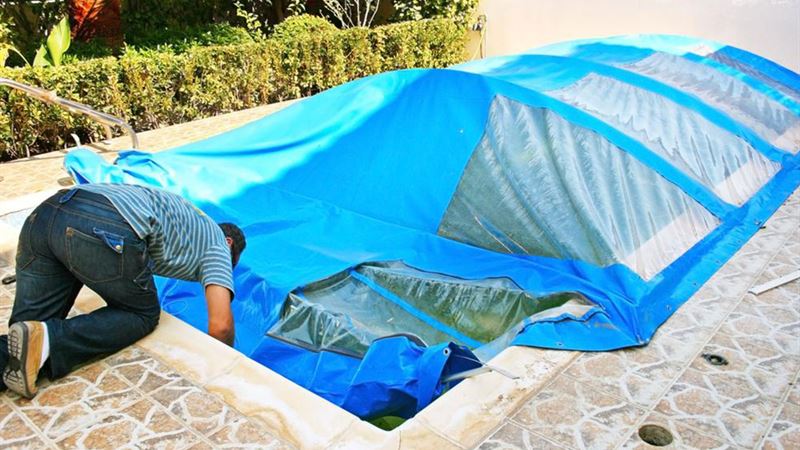
Owning an above ground pool is a fantastic way to enjoy refreshing swims during hot weather. However, just like any other form of water recreation, it requires consistent care and maintenance to keep the water safe, clean, and inviting. The key to maintaining your above ground pool lies in understanding its specific needs and implementing a comprehensive routine that includes multiple crucial steps. Proper maintenance not only guarantees crystal-clear water but also extends the lifespan of your pool, saving you money and effort in the long run.
In this extensive guide, we'll walk you through the essential elements of above ground pool care, elaborating on each step so you can effectively preserve your investment. The primary components of pool maintenance include water circulation, filtration, cleaning, testing, and chemical treatment. Combining these steps into a well-structured routine ensures your pool remains hygienic and enjoyable, providing you with many seasons of fun and relaxation.
**Water Circulation: The Foundation of Cleanliness**
One of the most fundamental aspects of pool maintenance is ensuring proper water movement. Stagnant water becomes a breeding ground for algae, bacteria, and other contaminants, which can pose health risks. Therefore, continuous circulation is paramount. Using a reliable pool pump, you should run the circulation system for at least 12 hours daily, especially during peak usage periods. Proper circulation helps distribute chemicals evenly throughout the water, minimizes dead zones, and keeps the water moving to prevent the formation of unsightly algae and bacteria.
To optimize circulation, consider placing the return jets strategically to promote flow across all areas of the pool. Additionally, using compatible pool timers can automate the process, ensuring the pump operates efficiently without your constant attention. Remember, consistent circulation is the backbone of a healthy pool environment, significantly simplifying other maintenance tasks.
**Filtration System: Removing Debris and Microscopic Particles**
The filtration system works closely with water circulation to maintain crystal-clear water. It effectively traps visible debris like leaves and bugs, as well as microscopic particles that can cloud the water and lead to algae growth. A well-maintained filter prevents these impurities from recirculating and settling in your pool.
Care for your filter by cleaning it weekly—backwashing sand and DE filters or rinsing cartridge filters. Seasonally, it's prudent to replace or chemically treat filter media to maintain optimal performance. Proper filter maintenance reduces strain on your pump and prolongs its lifespan, leading to more efficient operation.
Investing in a high-quality filter suited to your pool size ensures better filtration and easier upkeep. Your local pool supplier can help you select the right system, considering your pool's volume, usage, and environmental factors.
**Regular Cleaning: Keep Every Corner Spotless**
While circulation and filtration significantly improve water quality, manual cleaning remains essential. Over time, algae may form on the pool's surfaces, especially in hard-to-reach areas. Weekly brushing of the pool floor and walls prevents algae buildup and helps maintain the pool's appearance.
Focus on corners, steps, ladders, and other fixtures, which tend to trap dirt and algae. Use a designated pool brush and equipment appropriate to your pool surface to ensure thorough cleaning. Removing debris manually, such as leaves, twigs, and insects, also helps prevent clogging your filtration system.
In addition to brushing, skimming the water surface daily removes floating dirt and ensures your pool looks pristine. Keep your vacuum equipment in good condition to make deep cleaning easier and more effective.
**Accurate Testing: Keep Your Water Balanced**
Maintaining proper chemical balance is critical for safe, healthy swimming conditions. Regular testing, at least once a week, allows you to monitor key parameters such as Free Chlorine, pH level, alkalinity, and sanitizer levels. Use reliable test kits or digital testing devices for accurate readings.
The ideal pH range for pool water is typically between 7.2 and 7.6, ensuring comfort and effective sanitation. Free chlorine levels should be kept between 1 and 3 ppm. Alkalinity acts as a buffer, stabilizing pH and preventing fluctuations—maintain it around 80-120 ppm. Adjust levels accordingly using appropriate chemicals designed for pool maintenance.
If readings fall outside recommended ranges, promptly add sanitizers or pH adjusters to restore balance. Proper testing prevents issues like cloudy water, algae growth, and equipment damage, ensuring a safe swimming environment all season long.
**Chemical Maintenance: The Final Step for Safe Swimming**
The last step in pool maintenance involves chemical treatment, essential for disinfecting the water and maintaining clarity. After testing and adjusting the water balance, add chlorine or other sanitizers as needed. Chlorine kills bacteria, algae, and other pathogens, safeguarding your health during use.
For pools without automated chlorination systems, manually add chlorine tablets, liquid chlorine, or granular chlorine, following manufacturer instructions carefully. Additionally, enzymes or algaecides can be used to enhance sanitation and prevent common issues.
Proper chemical maintenance also involves shocking the pool periodically—adding a high dose of chlorine to eliminate organic contaminants and residual bacteria. This process is especially important after heavy usage or storms. Remember, storing chemicals safely and handling them with care is vital to prevent accidents.
In conclusion, diligent chemical management not only keeps your water sparkling but also prolongs the life of your pool surfaces and equipment. Maintaining a clean, healthy swimming environment ensures your pool remains a source of joy and relaxation for years to come.
By following these comprehensive maintenance steps—circulation, filtration, cleaning, testing, and chemical treatment—you can keep your above ground pool in pristine condition. Regular upkeep enhances your swimming experience, preserves your investment, and makes pool ownership a truly rewarding activity. Invest time in routine maintenance, and your pool will reward you with crystal-clear water and countless memorable moments.