
Comprehensive Guide to Maintaining Your Above Ground Pool for Optimal Performance
This comprehensive guide covers essential tips for maintaining your above ground pool, including water chemistry management, cleaning routines, and filtration. Regular maintenance ensures safe, clean, and inviting swimming conditions, prolonging the lifespan of your pool. Learn how to keep chlorine levels balanced, clean debris effectively, and optimize your filtration system for the best swimming experience throughout the season.
Maintaining a clean and hygienic above ground pool is essential for ensuring safe and enjoyable swimming experiences. Proper pool care involves regular testing of water chemistry, effective cleaning routines, and efficient filtration systems. One of the key aspects is managing chlorine levels, which should be kept between 2.0 to 4.0 parts per million (ppm). Excessively high chlorine concentrations can be harmful to swimmers and may damage pool surfaces, while too little chlorine can lead to bacterial growth and algae buildup. Regular testing kits are recommended to monitor and adjust chlorine levels accurately.
Cleaning your pool regularly is crucial to prevent the accumulation of dirt, algae, and bacteria. Brushing the walls and floor of your above ground pool weekly helps to dislodge dirt and prevent algae from taking hold. Since above ground pools are usually less extensive than in-ground pools, **brushing** can be done easily with a suitable pool brush that won't scratch the surface. This simple task ensures that the liner remains clean and free from the buildup of biofilms that could compromise water quality.
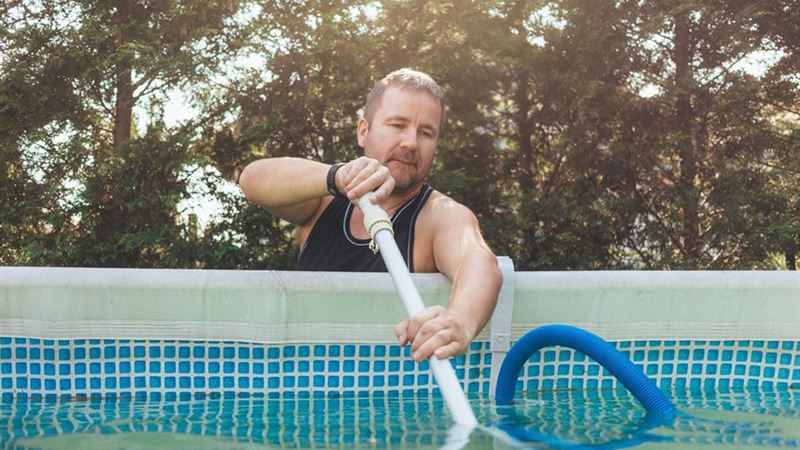
Vacuuming is another vital aspect of pool maintenance. Using a dependable pool vacuum removes settled dirt and debris from the bottom, improving water clarity and reducing the load on your filtration system. Proper vacuuming at least once a week helps keep your pool water clean, maintains a healthy environment, and prevents the growth of algae and bacteria. Handheld or automatic vacuum systems can be used depending on the size of your pool and your preferences, making the cleaning process more efficient and less time-consuming.
In addition to brushing and vacuuming, employing a skimmer is an effective way to keep surface debris under control. A skimmer is a simple yet highly efficient tool that captures leaves, insects, and other floating debris, preventing them from sinking to the bottom or clogging your filtration system. Regular use of a skimmer ensures your pool water remains clear and inviting. For convenience, many pool owners opt for skimmer nets with extendable handles to reach all corners of the pool easily and swiftly.
Proper water circulation, coupled with effective pumping and filtering, is essential to maintaining water quality. When water moves constantly through the filtration system, bacteria and algae find it difficult to thrive. The pool’s pump circulates water continuously, pushing it through a filter that captures dirt particles, algae spores, and microscopic debris. It's recommended to operate the pump and filtration system for about 8 to 12 hours daily, especially during peak usage or hot weather, to keep the water consistently clean and safe.
Choosing the right filtration system is critical; cartridge filters, sand filters, and diatomaceous earth filters each offer different benefits. Sand filters are durable and require less maintenance, while cartridge filters are known for capturing smaller particles and are easier to clean. Diatomaceous earth filters provide high levels of filtration for finer debris. Regular backwashing or cleaning of your filter system prolongs its efficiency and the overall health of your pool environment.
In addition to routine cleaning and circulation, maintaining proper chemical balance is vital. Besides chlorine, stabilizers like cyanuric acid help maintain chlorine effectiveness and protect it from sunlight degradation. pH levels should be kept between 7.2 and 7.6 to prevent skin irritation and equipment damage. Regular testing and adjusting of these parameters ensure the water remains safe, clear, and pleasant for swimmers. It’s advisable to keep a pool water testing kit handy and perform tests at least twice a week during the swimming season.
To sum up, maintaining an above ground pool involves a combination of regular cleaning, water chemistry management, and effective filtration. Weekly brushing and vacuuming prevent buildup and algae growth; skimming keeps the surface debris free; and proper circulation and filtration maintain water clarity and hygiene. Always monitor chemical levels and ensure your filtration system operates effectively. By following these routine practices, you can enjoy a sparkling, safe, and inviting above ground pool all season long.