
Comprehensive Guide to Caring for Your Room and Board Furniture
Learn expert techniques for caring for your Room and Board furniture, focusing on gentle cleaning, waxing, sun protection, and avoiding damage. Ensure your furniture remains pristine and durable with these comprehensive maintenance tips, extending its lifespan and beauty for years to come.
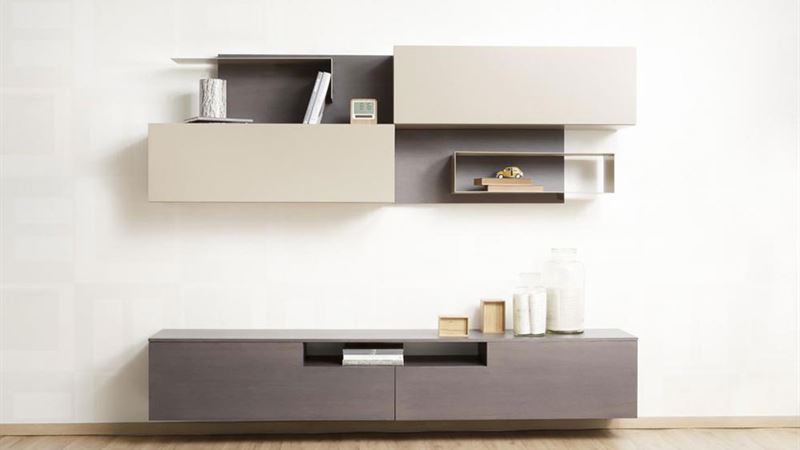
Gentle Cleaning Methods:
To maintain the natural beauty of your Room and Board furniture, always start with gentle cleaning methods. Avoid soaking or saturating the furniture in water, as excess moisture can cause warping, swelling, or damage to the wood. Instead, use a soft, slightly damp cloth with a mild soap solution to wipe away surface dirt and dust. For hard-to-reach areas, employ a small brush or a soft toothbrush to loosen dirt without scratching the surface. After the initial cleaning, wipe the furniture with a dry, soft cloth to remove any remaining residue. If necessary, follow up with a cloth lightly dampened with water to ensure all dust is gone, then dry immediately to prevent moisture from settling in the wood grain.
Applying Quality Paste Wax:
Once the surface has been cleaned, applying a high-quality, soft paste wax is an excellent step to enhance the furniture's finish and add a protective layer. Choose a wax that is suitable for your furniture’s material—most often a natural or beeswax-based product. Use a clean, soft cloth or applicator to apply a thin, even layer of wax across the surface, always following the grain of the wood. Allow the wax to sit for about five minutes to penetrate and nourish the wood. Then, gently buff the surface with a soft cloth or brush to remove excess wax, revealing a smooth, lustrous finish. For long-lasting shine and protection, repeat this waxing process every few months, depending on usage and environmental conditions.
Protecting Against Sun Damage:
Exposure to direct sunlight can be highly detrimental to wooden furniture. Ultraviolet rays cause the wood to fade, dry out, and weaken over time, leading to cracks or warping. To prevent this, position your Room and Board furniture away from windows or direct sunlight. Use curtains, blinds, or UV-protective films on windows to filter harmful rays. If placement near sunlight is unavoidable, consider using furniture covers or placing the pieces in shaded areas during peak hours. Properly shielding your furniture from sun exposure preserves its color and structural integrity, ensuring it remains attractive and durable for years to come.
Avoid Heat Sources:
Maintaining a stable environment is crucial for furniture longevity. Placing your furniture too close to radiators, heating vents, or fireplaces accelerates the drying process of the wood, causing it to crack, split, or warp prematurely. To protect your investment, keep furniture at a safe distance from heat sources, ideally several feet away. Use insulating pads or barriers when necessary, especially if the furniture must be placed in warmer areas. A controlled humidity level—around 40-45%—within your home also helps to prevent excessive drying or moisture accumulation, both of which can damage your furniture over time. Regularly monitor the room climate using a hygrometer to maintain optimal conditions.
Limiting Use of Polishes and Paints:
While advertising often promotes various polishes, varnishes, and paints as quick-fix solutions for furniture appearance, overuse can be detrimental. Many commercial products contain chemicals that accumulate and may alter the natural look or even harm the wood’s surface over time. Once you have established your routine cleaning regimen and applied a protective wax, additional polishing or painting is typically unnecessary. If you desire a particular finish or color change, consult a furniture specialist for proper techniques and safe products. Preserving the original finish, through gentle cleaning and waxing, usually offers the best long-term results.
Implementing these comprehensive maintenance practices will help ensure your Room and Board furniture remains beautiful, functional, and lasting for many years. Regular care, environmental awareness, and proper cleaning techniques are the keys to preserving the quality and appearance of your cherished furniture pieces.