
Effective Strategies for Removing Warts Safely and Permanently
Discover comprehensive and effective methods for wart removal, including home remedies like salicylic acid and duct tape, as well as professional treatments such as cryotherapy. Learn how to choose the best approach for your skin type and wart severity, with expert tips to ensure safe and successful elimination. Prevent recurrence and spread with proper care and hygiene. This in-depth guide provides detailed information on each method, their benefits, and when to consult a dermatologist, empowering you to take control of your skin health effectively.
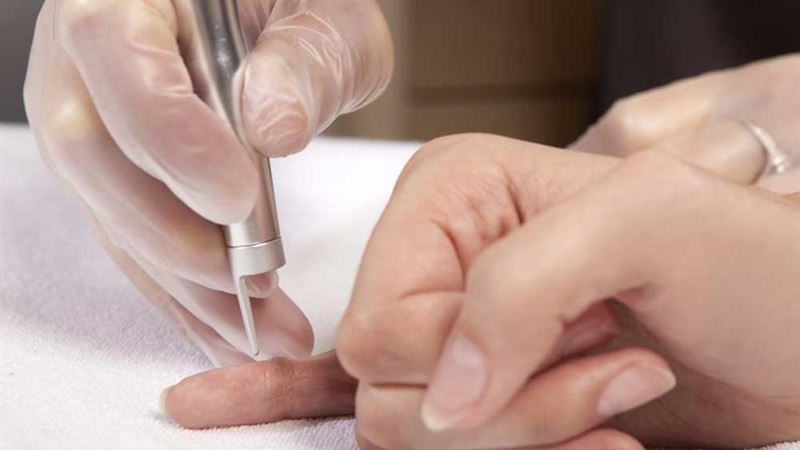
Warts are common skin growths caused by the human papillomavirus (HPV). Although they are generally harmless, they can be unsightly and sometimes painful. Effective removal methods are essential for aesthetic reasons and to prevent potential spread or complications. Fortunately, there are various proven approaches to eliminate warts successfully. From over-the-counter remedies to professional treatments, understanding these options can help you choose the best solution tailored to your needs.
One of the most accessible treatments is the use of salicylic acid, which is available in many OTC preparations. This topical solution works by gradually peeling away the infected skin layers, effectively removing the wart over time. Salicylic acid treatments come in different forms such as liquids, gels, pads, and plasters, making application convenient and straightforward. The key to success with salicylic acid is consistent application—usually daily or as directed—and patience, as it may take several weeks to see significant results. This method is affordable, easy to use, and has minimal side effects, making it a popular choice for home treatment.
Another proven technique is cryotherapy, often administered in a clinical setting. This procedure involves applying liquid nitrogen directly onto the wart using a spray or a specialized applicator. The extreme cold temperature, which can reach as low as -321°F, causes the infected tissue to freeze and die. Cryotherapy induces a blister around the wart, which eventually falls off, revealing new healthy skin underneath. Multiple sessions are typically necessary, with treatments spaced approximately two to three weeks apart. It's important to adhere to the doctor’s instructions during cryotherapy, as over-treatment or frequent application could cause skin damage or scarring. This method is particularly effective for stubborn or deeper warts and provides rapid relief when compared to topical treatments alone.
Considering low-risk home remedies, duct tape occlusion therapy has gained popularity. Although the scientific community remains divided about its effectiveness, anecdotal evidence suggests it may help in some cases. The method involves covering the wart with a small piece of duct tape continuously for about six days, then removing the tape, soaking the area in water, and gently debriding the wart with an emery board or pumice stone before reapplying the tape. The idea is that the tape deprives the wart of oxygen, gradually causing it to die and fall off. A recent study comparing cryotherapy and duct tape revealed promising results for the tape method, especially given its simplicity and low cost. While it may not work for everyone, many individuals find this approach worth trying before resorting to more invasive methods.
In addition to these primary treatments, there are other options worth mentioning, including cantharidin application by healthcare professionals, laser therapy, and immune system modulators. For persistent or resistant warts, consulting a dermatologist is highly recommended to determine the most appropriate course of action. They can recommend advanced treatments such as lasers or immunotherapy, which can be highly effective for challenging cases.
Prevention is equally important in managing warts. Avoiding direct contact with warts on yourself or others, maintaining good personal hygiene, and avoiding sharing personal items like towels or razors can significantly reduce the risk of spreading HPV. Additionally, getting vaccinated against HPV can offer protection against some types of the virus responsible for warts and related health issues.
In summary, effectively removing warts involves a combination of home remedies and professional treatments. Salicylic acid, cryotherapy, and duct tape are well-supported options that, when used correctly, can lead to successful removal. However, persistent or complicated cases should be evaluated and treated by healthcare professionals to minimize risks and ensure complete eradication. Taking wart treatment seriously not only improves your skin's appearance but also prevents potential complications and transmission to others. Invest time in choosing the right method and follow proper guidelines for best results.
Another proven technique is cryotherapy, often administered in a clinical setting. This procedure involves applying liquid nitrogen directly onto the wart using a spray or a specialized applicator. The extreme cold temperature, which can reach as low as -321°F, causes the infected tissue to freeze and die. Cryotherapy induces a blister around the wart, which eventually falls off, revealing new healthy skin underneath. Multiple sessions are typically necessary, with treatments spaced approximately two to three weeks apart. It's important to adhere to the doctor’s instructions during cryotherapy, as over-treatment or frequent application could cause skin damage or scarring. This method is particularly effective for stubborn or deeper warts and provides rapid relief when compared to topical treatments alone.
Considering low-risk home remedies, duct tape occlusion therapy has gained popularity. Although the scientific community remains divided about its effectiveness, anecdotal evidence suggests it may help in some cases. The method involves covering the wart with a small piece of duct tape continuously for about six days, then removing the tape, soaking the area in water, and gently debriding the wart with an emery board or pumice stone before reapplying the tape. The idea is that the tape deprives the wart of oxygen, gradually causing it to die and fall off. A recent study comparing cryotherapy and duct tape revealed promising results for the tape method, especially given its simplicity and low cost. While it may not work for everyone, many individuals find this approach worth trying before resorting to more invasive methods.
In addition to these primary treatments, there are other options worth mentioning, including cantharidin application by healthcare professionals, laser therapy, and immune system modulators. For persistent or resistant warts, consulting a dermatologist is highly recommended to determine the most appropriate course of action. They can recommend advanced treatments such as lasers or immunotherapy, which can be highly effective for challenging cases.
Prevention is equally important in managing warts. Avoiding direct contact with warts on yourself or others, maintaining good personal hygiene, and avoiding sharing personal items like towels or razors can significantly reduce the risk of spreading HPV. Additionally, getting vaccinated against HPV can offer protection against some types of the virus responsible for warts and related health issues.
In summary, effectively removing warts involves a combination of home remedies and professional treatments. Salicylic acid, cryotherapy, and duct tape are well-supported options that, when used correctly, can lead to successful removal. However, persistent or complicated cases should be evaluated and treated by healthcare professionals to minimize risks and ensure complete eradication. Taking wart treatment seriously not only improves your skin's appearance but also prevents potential complications and transmission to others. Invest time in choosing the right method and follow proper guidelines for best results.