
Comprehensive Guide to Hoisting Equipment: Essential Information and Applications
This comprehensive guide explores the essential aspects of hoisting equipment, including key types like powered and manual hoists, their uses across various industries, and their advantages. By understanding different hoist categories, safety tips, and application scenarios, industry professionals can optimize their operations, enhance safety, and improve productivity, making hoiling devices an invaluable part of heavy lifting operations across manufacturing, construction, logistics, and more.
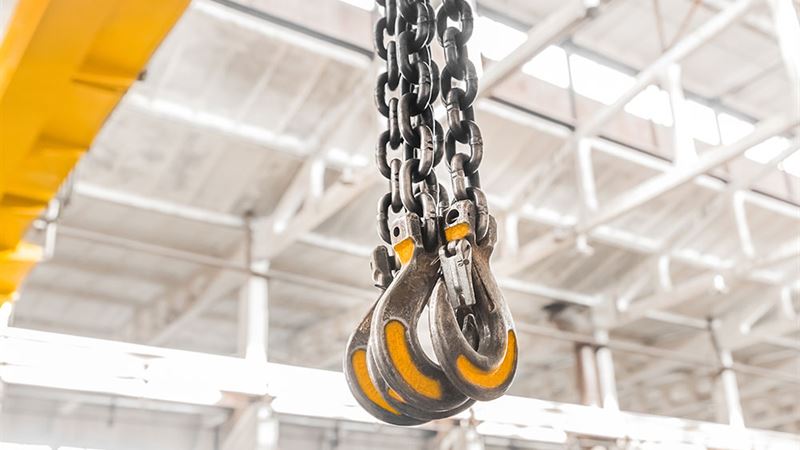
Hoisting equipment is fundamental in the construction, manufacturing, and logistics industries. These mechanical devices are designed to lift, lower, and move heavy objects with precision and safety. Whether powered or manual, hoists have become indispensable tools in various operational sectors, enabling efficient handling of considerable loads that would be impossible to manage manually. Understanding the different types of hoisting equipment, their features, advantages, and ideal applications is vital for any industry specialist, safety manager, or operational supervisor to ensure optimal performance and safety compliance.
The Role of Hoisting Equipment Across Industries
In modern industrial operations, hoisting devices facilitate seamless movement of heavy machinery, raw materials, finished products, and other bulky items. They serve as the backbone of logistics chains in warehousing, distribution centers, manufacturing plants, and construction sites. In steel manufacturing, for example, overhead cranes and hoists are used to handle hot metal and large steel components. The paper and printing industries depend on hoists to move heavy rolls of paper and printing presses efficiently. The automotive industry relies heavily on hoisting equipment for assembly lines, engine installation, and parts transportation.
Beyond these primary sectors, hoists find applications in mining, marine, aerospace, logging, medical equipment handling, and more. Their versatility makes them essential tools for ensuring safety, reducing manual labor, and increasing productivity in environments where heavy lifting is a routine task. Proper selection, maintenance, and operation of hosting devices can significantly impact operational efficiency, worker safety, and cost management.
Categories and Types of Hoisting Equipment Understanding the different classifications of hoisting equipment helps in choosing the right tools for specific tasks. They are broadly divided into powered and manual hoists, each with distinct features, advantages, and typical use cases.
- Powered Hoists
Power-driven hoists are equipped with hydraulic, pneumatic (air-driven), or electric motors. These hoists are known for their high lifting speeds, greater lifting capacities, and ease of operation via controllers, pendant controls, or remote systems. They are employed in applications demanding quick, repeated lifts or handling of exceptionally heavy loads. Hydraulic hoists utilize fluid pressure to generate lifting force, often used in closed environments or for lifting heavy machinery. Pneumatic hoists operate using compressed air and are preferred in explosive or dry environments where electrical sparks are hazardous. Electric hoists are widely used across industries for their efficiency, precision, and ability to operate continuously with minimal manual intervention. - Manual Hoists
Also called chain hoists or chain blocks, manual hoists operate via hand-operated mechanisms involving chains or levers. They consist of a load chain, which supports and lifts the load, and a hand chain used to control the lifting and lowering actions. Manual hoists are portable, easy to use, and typically more affordable initially than powered options. They are ideal for small to medium loads and are suitable for construction sites, workshops, or areas where power sources are unavailable. However, manual hoists require more physical effort and take longer to lift heavy objects, making them less efficient than powered alternatives for frequent or large-scale lifting tasks.
Advantages of Using Hoisting Equipment
Investing in proper hoisting equipment offers numerous operational benefits. These tools enable the quick and safe movement of heavy loads, reducing the physical strain on workers and minimizing injury risks. Their portability allows jobsites to adapt easily to changing circumstances by relocating equipment as needed. Customization options, such as different load capacities and configurations, increase their versatility across various tasks. Maintenance costs for hoists are generally lower than those for other lifting machinery, especially for manual variants. Importantly, harnessing the right hoisting equipment ensures adherence to safety standards, protecting personnel and preventing costly accidents. The long-term productivity gains and operational efficiencies make hoists a crucial component of industrial infrastructure.