
Comprehensive Guide to Different Types of Automotive Lifting Equipment
Explore the comprehensive guide to essential automotive lifts, including four-post, two-post, scissor, portable, in-ground, and parking lifts. Learn their features, benefits, and ideal uses to choose the best fitting equipment for your vehicle maintenance needs or space management. This detailed overview helps enthusiasts and professionals make informed decisions about investing in reliable, safe, and efficient vehicle lifting solutions across various applications.
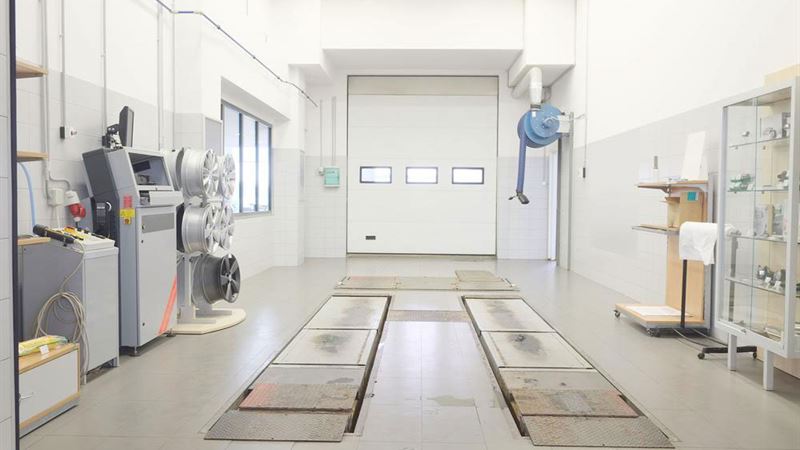
Four-Post Vehicle Lifts
Four-post lifts are popular in automotive repair shops and home garages alike. A notable feature of some models is their ability to be used without anchoring to the floor, thanks to integrated casters that facilitate mobility. This flexibility makes them ideal for environments where permanent installation isn't feasible or desired. These lifts typically have four sturdy posts supporting a platform capable of supporting various types of vehicles.Benefits of four-post lifts include ease of storage and portability, as well as excellent stability for vehicle maintenance processes such as oil changes, tire rotations, and under-car inspections. They are especially suitable for workshops with limited space, allowing for quick relocation and setup when needed.
Two-Post Automotive Lifts
Often termed 'frame-engaging' lifts, two-post models come in two configurations: symmetric and asymmetric. These lifts are designed specifically for garage settings where efficient space utilization and quick access to the vehicle's underside are vital. Symmetric two-post lifts feature posts placed equidistant from the center, providing a balanced lift suited for wider vehicles. However, in tight spaces, the symmetric design might cause interference with the vehicle’s doors or side panels.Asymmetric two-post lifts are engineered with posts rotated at approximately 30 degrees, with shorter front arms and longer rear arms, enabling better clearance and accessibility, especially for vehicles with low ground clearance. This design reduces the risk of hitting the vehicle or the posts during operation, making it highly versatile for various garage configurations.
These lifts are ideal for routine maintenance tasks, including brake repairs, exhaust work, and inspections, as they lift vehicles quickly and securely. Proper positioning is crucial to prevent contact with the posts, making precise alignment essential during installation and use.
Scissor Vehicle Lifts
Named after their distinctive accordion-like structure, scissor lifts are versatile and widely used in both home and commercial settings. They feature a metal frame shaped like an 'X', which spans from the base to the platform, allowing vertical extension through a scissor mechanism. This design enables lifts to vary in height, accommodating different repair or inspection needs.Auto scissor lifts are known for their robust construction and ability to handle various vehicle sizes, from compact cars to larger trucks. They are excellent choices for lifting the vehicle's chassis for underbody repairs, frame work, or tire replacements. Many models are available with either wheel-engaging or frame-engaging configurations, providing flexibility based on the maintenance task at hand.
Advantages of scissor lifts include their compact footprint, ease of operation, and suitability for variable heights. They are especially beneficial in workshops with limited ceiling clearance or where floor space needs to be optimized.
Portable Automotive Lifts
In garages where space is at a premium, portable automotive lifts offer a highly convenient solution. These models can be easily collapsed, folded, or disassembled for storage, giving flexibility to a dynamic workspace. They are designed to be transported within the same facility, making them ideal for temporary or rotational use cases.However, portable lifts do come with limitations. Due to their lightweight construction, they are generally not suitable for lifting heavy vehicles such as large trucks or commercial vans. Their maximum lifting capacity typically caters to standard passenger vehicles, making them perfect for hobbyists, small-scale repair shops, or mobile mechanics.
Applications of portable lifts include quick maintenance tasks, vehicle inspections, and minor repairs, especially in locations where permanent lift installation isn't practical or permitted.
In-Ground Automotive Lifts
In-ground lifts are installed flush with the floor, offering a clean, unobstructed workspace. These lifts are often chosen for their aesthetic appeal and functional advantages, especially when working with trucks and larger vehicles that require substantial lifting capacity. Their design ensures the lift platform remains level with the ground, providing easy access underneath the vehicle without additional clearance issues.Due to the sturdy hydraulic systems necessary for raising heavy loads, in-ground lifts are more expensive and complex to install compared to above-ground models. They are commonly used in commercial settings where frequent heavy-duty lifting is necessary, such as in truck servicing facilities and fleet maintenance centers. Their concealed installation also helps maximize workspace and ensures safety by reducing trip hazards or obstructions in the workshop.
Parking Lifts
Parking lifts serve the dual purpose of vehicle elevation and space optimization, making them highly beneficial for both residential and commercial parking areas. These lifts usually support two vehicles stacked vertically, effectively doubling parking capacity within the same footprint.Compact and efficient, parking lifts are designed to be space-saving solutions that improve parking management. They are particularly useful in urban environments where parking space is limited, allowing multiple vehicles to be parked in a reduced area. Some models are designed for residential garages, while others are suited for commercial parking facilities, including multi-level parking structures.
The ease of installation and operation makes parking lifts a popular choice for property owners looking to maximize space and enhance the functionality of their parking lots. Safety features such as automatic locking systems, hydraulic stabilizers, and emergency controls are standard in most models to ensure secure operation.