
Essential Guide to Maintaining and Optimizing Your Refrigerator
Learn comprehensive strategies to maintain and optimize your refrigerator. From setting the right temperature and organizing food to regular cleaning and leveraging advanced features, this guide ensures your appliance stays efficient, hygienic, and long-lasting. Discover tips from leading brands like GE, Whirlpool, and Samsung to maximize your refrigerator's performance and keep your food fresh and safe. Perfect for homeowners seeking to extend their appliance's lifespan and improve kitchen hygiene, this detailed guide covers everything you need for everyday refrigerator care and maintenance.
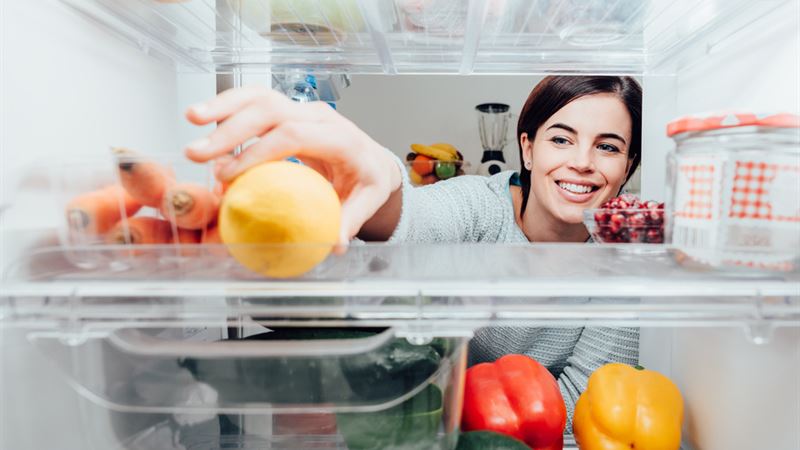
Refrigerators are indispensable appliances in modern households, playing a crucial role in preserving food freshness and ensuring safety. They help reduce food waste, save money, and keep your kitchen organized. Proper maintenance and understanding of your refrigerator’s features can significantly extend its lifespan and improve its efficiency. Whether you’re a new owner or looking to optimize your appliance, knowing the right practices for cleaning, organizing, and temperature control is essential to maximize performance and hygiene.
In today's fast-paced world, refrigerators are integral to daily life, providing a safe environment for storing perishable items. Choosing the right model and maintaining it correctly can prevent spoilage, eliminate odors, and improve energy efficiency. Proper organization within the fridge not only helps in quick access but also ensures that food remains fresh longer. Moreover, regular cleaning is vital to avoid bacterial growth and unpleasant smells, keeping your kitchen hygienic and inviting.
Understanding the key aspects of refrigerator maintenance can help you avoid costly repairs and replacements. It involves careful monitoring of temperature settings, systematic organization of stored items, and diligent cleaning routines. Advanced models from brands like GE, Whirlpool, and Samsung come equipped with features that facilitate easier management and better performance. Leveraging these innovations can enhance your kitchen experience, making food storage more effective and your appliance more durable.
Let’s dive into comprehensive tips and strategies for maintaining your refrigerator to ensure it functions optimally year-round. From setting the correct temperature to proper loading techniques and deep cleaning methods, we cover everything you need to know to keep your refrigerator in peak condition and your food safe and fresh.
**Monitoring and Setting the Correct Temperature**
Ensuring your refrigerator operates at the ideal temperature is foundational. The safe temperature range for refrigerators is generally between 35°F and 38°F (1.7°C - 3.3°C). Maintaining this range inhibits bacterial growth and keeps food fresh longer. Modern refrigerators often come with digital displays and built-in temperature controls, making it easier to monitor and adjust settings accurately. Regularly check the temperature with a reliable thermometer to confirm the settings, especially if your fridge does not have precise digital controls. GE refrigerators, for instance, offer efficient temperature management features, including alarms to notify you of temperature deviations. For the freezer compartment, keeping it at around 0°F (-18°C) ensures frozen foods remain properly preserved without risking freezer burn.
Ensuring your refrigerator operates at the ideal temperature is foundational. The safe temperature range for refrigerators is generally between 35°F and 38°F (1.7°C - 3.3°C). Maintaining this range inhibits bacterial growth and keeps food fresh longer. Modern refrigerators often come with digital displays and built-in temperature controls, making it easier to monitor and adjust settings accurately. Regularly check the temperature with a reliable thermometer to confirm the settings, especially if your fridge does not have precise digital controls. GE refrigerators, for instance, offer efficient temperature management features, including alarms to notify you of temperature deviations. For the freezer compartment, keeping it at around 0°F (-18°C) ensures frozen foods remain properly preserved without risking freezer burn.
**Strategic Organization of Food Items**
Proper arrangement within your refrigerator is key to maintaining food safety, preventing cross-contamination, and maximizing storage space. Use the different racks and drawers designed for specific food categories—vegetables, dairy, meats, leftovers—to keep items organized. Place raw meats on the lowest shelf to prevent drips onto other foods and store leftovers in clear containers for quick identification. Many brands, like Whirlpool and Samsung, feature adjustable shelves and door bins that facilitate custom organization. A well-organized fridge also speeds up meal prep, reduces waste, and makes cleaning easier.
Proper arrangement within your refrigerator is key to maintaining food safety, preventing cross-contamination, and maximizing storage space. Use the different racks and drawers designed for specific food categories—vegetables, dairy, meats, leftovers—to keep items organized. Place raw meats on the lowest shelf to prevent drips onto other foods and store leftovers in clear containers for quick identification. Many brands, like Whirlpool and Samsung, feature adjustable shelves and door bins that facilitate custom organization. A well-organized fridge also speeds up meal prep, reduces waste, and makes cleaning easier.
**Regular Cleaning and Hygiene**
Maintaining the cleanliness of your refrigerator not only preserves food quality but also ensures hygiene. It is a good practice to clean the interior surfaces, shelves, and door seals at least twice a week. Remove expired or spoiled items promptly to prevent odors and bacterial growth. Use a mixture of warm water and mild dish soap or a vinegar solution for cleaning. For stubborn stains and grime, a baking soda paste can be effective. Don’t forget to clean the door gaskets thoroughly, as mold and dirt often accumulate there. Regularly cleaning the condenser coils, usually located at the back or underneath the unit, helps improve energy efficiency. For deeper cleaning, consider using a steam vacuum cleaner like the Euroclean Steam Vac for effective sanitation.
Maintaining the cleanliness of your refrigerator not only preserves food quality but also ensures hygiene. It is a good practice to clean the interior surfaces, shelves, and door seals at least twice a week. Remove expired or spoiled items promptly to prevent odors and bacterial growth. Use a mixture of warm water and mild dish soap or a vinegar solution for cleaning. For stubborn stains and grime, a baking soda paste can be effective. Don’t forget to clean the door gaskets thoroughly, as mold and dirt often accumulate there. Regularly cleaning the condenser coils, usually located at the back or underneath the unit, helps improve energy efficiency. For deeper cleaning, consider using a steam vacuum cleaner like the Euroclean Steam Vac for effective sanitation.
**Enhancing Efficiency with Technological Features**
Today's refrigerators come equipped with smart features designed to make maintenance and operation more straightforward. These include temperature alarms, humidity controls, door open alerts, and even Wi-Fi connectivity for remote monitoring via smartphone apps. Advanced models by Samsung and LG offer customizable cooling zones, internal water dispensers, and ice makers that can be managed digitally. Utilizing these features ensures optimal storage conditions, reduces energy consumption, and prolongs appliance lifespan. Additionally, investing in a refrigerator with good insulation and energy-saving modes can lead to significant savings on electricity bills.
Today's refrigerators come equipped with smart features designed to make maintenance and operation more straightforward. These include temperature alarms, humidity controls, door open alerts, and even Wi-Fi connectivity for remote monitoring via smartphone apps. Advanced models by Samsung and LG offer customizable cooling zones, internal water dispensers, and ice makers that can be managed digitally. Utilizing these features ensures optimal storage conditions, reduces energy consumption, and prolongs appliance lifespan. Additionally, investing in a refrigerator with good insulation and energy-saving modes can lead to significant savings on electricity bills.
**Tips for Longevity and Cost Savings**
Proper maintenance extends the life of your refrigerator and reduces repair costs. Keep the condenser coils clean, replace door seals if they become cracked, and ensure the vents are unobstructed for optimal airflow. Avoid overloading the fridge with leftovers and hot foods; allow foods to cool before storing. Regularly inspect and replace filters if your refrigerator has water or air filtration systems. By following these practices, you ensure your investments yield long-term benefits, keeping your food fresh and your appliance operating efficiently for many years.
Proper maintenance extends the life of your refrigerator and reduces repair costs. Keep the condenser coils clean, replace door seals if they become cracked, and ensure the vents are unobstructed for optimal airflow. Avoid overloading the fridge with leftovers and hot foods; allow foods to cool before storing. Regularly inspect and replace filters if your refrigerator has water or air filtration systems. By following these practices, you ensure your investments yield long-term benefits, keeping your food fresh and your appliance operating efficiently for many years.
In conclusion, understanding how to properly care for your refrigerator is vital to ensure food safety, save money, and prolong the life of this essential appliance. Regular monitoring of temperature, strategic organization of items, routine cleaning, leveraging new technology, and mindful usage habits collectively contribute to a well-functioning refrigerator. Embrace these best practices to enjoy a clean, efficient, and reliable appliance that supports your household needs every day.