
Ultimate Guide to Post-Shaving Skin Care: Tips for Smooth, Healthy Skin
Discover comprehensive tips for post-shaving skin care, including product selection, shaving techniques, and routines for different skin types. Proper care enhances skin health, reduces irritation, and ensures a smooth, comfortable shave every time. Learn to prevent dryness, razor burns, and ingrown hairs with expert advice on timing, tools, and moisturizing strategies, keeping your skin healthy and fresh.
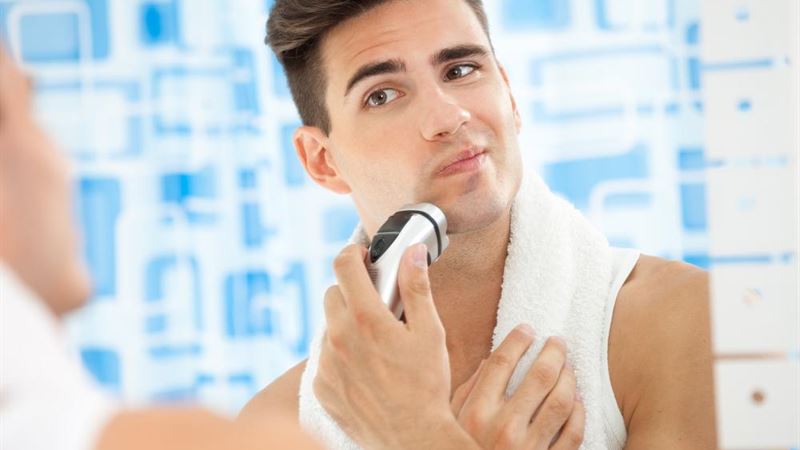
Proper aftercare following shaving is essential to maintain healthy, irritation-free skin. Many men and women overlook the importance of post-shaving routines, leading to dryness, irritation, and ingrown hairs. In this comprehensive guide, we will explore effective strategies and best practices for caring for your skin after shaving, helping you achieve a fresh, smooth, and comfortable complexion every day.
Shaving can be a quick and convenient grooming practice, but without proper care, it can cause skin problems that are bothersome and sometimes painful. To avoid common post-shave issues such as razor burns, cuts, dryness, and inflammation, it’s crucial to adopt a thoughtful approach to skin care. This article provides detailed tips on selecting the right products, timing your shave, and aftercare routines tailored to different skin types, ensuring you enjoy healthy skin year-round.
- Understanding Your Skin Type: Oily, Dry, Sensitive, or Normal
One of the first steps in effective post-shaving skin care is understanding your skin type. Knowing whether you have oily, dry, sensitive, or normal skin helps you choose the appropriate products and techniques to avoid aggravating your skin. For example, if you have dry skin, using hydrating products and shaving oils can help prevent excessive dryness and irritation. Conversely, if you have oily skin, lightweight moisturizers and non-comedogenic products are preferable to avoid clogged pores and breakouts.
- Choosing the Right Shaving Products
Investing in quality shaving tools is fundamental to good skin care. Instead of opting for cheap razors and soaps that can damage your skin, select mid-range razors with sharp blades that provide clean, irritation-free shaves. Dull blades tug at the hair rather than cutting it cleanly, increasing the risk of nicks, cuts, and irritation.
Similarly, select shaving creams or gels enriched with moisturizing agents and natural extracts. These products create a protective barrier on the skin, reducing friction and irritation. Look for ingredients such as aloe vera, shea butter, or glycerin, which soothe and hydrate the skin during shaving.
- Timing Your Shave for Optimal Skin Health
The timing of your shave significantly impacts your skin’s response. It’s best to shave after a warm shower or thoroughly washing your face, as this opens up pores and softens hair, making shaving smoother and less irritating. Warm water and steam also help to loosen dirt, oil, and debris, providing a clean surface for shaving.
Keep your face well-moisturized during the shave. Gentle, slow strokes in the direction of hair growth minimize irritation and prevent ingrown hairs. If you have dry or sensitive skin, applying a shaving oil beforehand can add an extra layer of protection, ensuring a smoother glide of the razor and reducing discomfort.
- Proper Technique for Shaving
Use a sharp, clean razor blade and avoid pressing too hard. Shaving with short, gentle strokes reduces the risk of cuts and razor burn. Always shave in the direction of hair growth to prevent ingrown hairs and irritation. Rinse the razor frequently to remove hair and cream buildup, maintaining its sharpness and effectiveness.
If you prefer using blades, always replace blades as soon as they lose their sharpness. Dull blades tug at hair, causing unnecessary pulling and potential skin damage. Additionally, keep your blades dry and clean after each use to prevent rust and bacterial growth.
- Post-Shave Skincare Routine
Once shaving is complete, rinse your face with cool water to close the pores and remove any residual cream or hair. Pat your skin dry with a clean, soft towel—avoid rubbing, as this can cause irritation. Then, apply a quality aftershave moisturizer or balm suited to your skin type. For oily skin, a lightweight, oil-free lotion works well. Those with dry or sensitive skin benefit from richer, nourishing creams that restore moisture and soothe any irritation.
Incorporate calming ingredients such as chamomile or cucumber extract, which reduce redness and inflammation. Regularly moisturizing and caring for your skin after shaving helps prevent dryness, irritation, and ingrown hairs, leaving your skin soft, smooth, and resilient.
- Additional Tips for Healthy Skin Maintenance
Maintaining good overall skin health also plays a critical role in post-shaving comfort. Keep your skin hydrated by drinking plenty of water and using hydrating skincare products regularly. Avoid harsh skincare ingredients like alcohol-based toners or astringents that can strip moisture and exacerbate dryness.
Exfoliating your skin a couple of times a week can help prevent ingrown hairs and remove dead skin cells that clog pores. Use gentle exfoliants suitable for your skin type to keep your skin smooth and receptive to moisturizing products.
Also, avoid shaving over irritated or broken skin and give your skin adequate time to heal if you experience cuts or irritation. Always use sanitized tools and never share razors to prevent infections.
In conclusion, taking optimal care of your skin after shaving is crucial to avoiding discomfort and maintaining a healthy, youthful appearance. By choosing quality products, practicing proper shaving techniques, and following a consistent skincare routine, you can enjoy a clean-shaven face that feels great and looks amazing. Invest in your skin health—your future self will thank you for it.