
Comprehensive Guide to Maintaining and Caring for Your Hot Spa Tubs
Properly maintaining your hot spa tub ensures safety, longevity, and optimal comfort. This guide covers essential tips on chemical testing, balancing water chemistry, cleaning, and preventive care strategies to keep your spa inviting and functional for years. Regular testing with accurate measurements and cautious chemical handling are emphasized to prevent issues and ensure a safe bathing experience. Routine cleaning and timely filter replacements further ensure crystal-clear water, while maintaining the spa cover and components enhances overall performance. Implement these comprehensive maintenance practices to turn your spa into a soothing, long-lasting relaxation sanctuary.
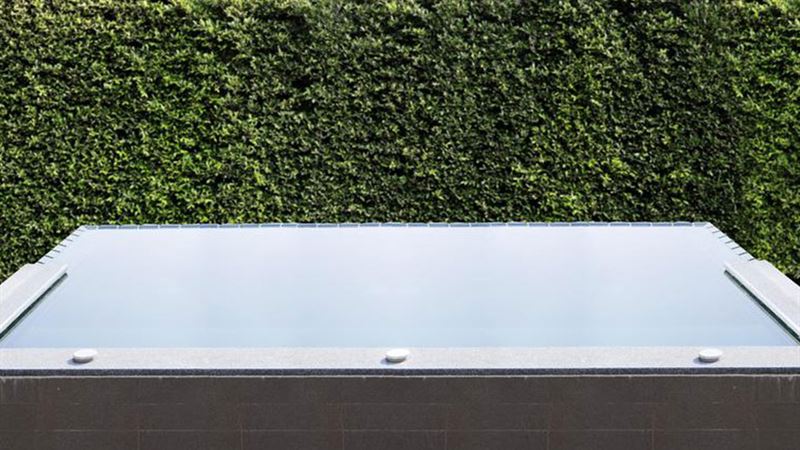
Owning a hot spa tub is a luxurious way to relax and unwind, but proper maintenance is essential to ensure safety, longevity, and optimal performance. Regularly monitoring and adjusting the chemical balance, cleaning filters, and caring for the spa cover are critical aspects of hot tub care. This comprehensive guide provides in-depth insights into maintaining your hot spa tub, including detailed instructions on chemical testing, balancing water chemistry, and preventive care strategies to keep your spa inviting and safe for years to come.
One of the foremost steps in hot tub maintenance is regular testing of water chemistry. Using specialized test strips is an effective and straightforward method to evaluate essential parameters such as pH, alkalinity, and sanitizer levels. It is recommended to test your spa water at least twice a week, especially during frequent use or in warmer climates, as chemical levels can fluctuate rapidly. These test strips are inexpensive, easily available at department stores, and simple to use—simply dip and compare to color chart for quick readings. Accurate testing ensures your water remains balanced, preventing issues like skin irritation, cloudy water, and equipment damage.
Handling chemicals requires caution and precision. Always measure chemicals carefully—never guess or add multiple chemicals simultaneously—this can lead to dangerous chemical reactions. When adjusting chemical levels, allow a minimum of 2 hours between additions. This waiting period ensures that chemicals dissolve fully in the water, promoting even distribution and effectiveness. Make sure the spa's jets are running during chemical addition to facilitate proper mixing. Post-chemical treatment, keep the spa cover off for at least 15 minutes to allow the chemicals to disperse evenly into the water and to off-gas any residual fumes, ensuring safety for users and longevity of the equipment.
Maintaining appropriate chemical levels, including pH, total alkalinity, and sanitizer (like chlorine or bromine), is foundational. For instance, monitoring total alkalinity carefully is crucial since it buffers the pH and helps prevent rapid fluctuations. Based on your test results, use sodium bicarbonate to increase alkalinity or sodium bisulfate to decrease it. The ideal alkalinity range is between 80-120 parts per million (PPM). If alkalinity exceeds 120 PPM, add spa-down products to lower it; if it's below 60 PPM, add spa-up solutions to raise it. Regularly checking and adjusting alkalinity stabilizes the pH levels, preventing corrosive or scaling conditions that can harm your spa and cause discomfort during use.
In addition to chemical management, routine cleaning and filter maintenance are vital. Clean the filters every 1-2 months using a filter cleaner to remove debris and oils that can clog system components. Replace filters periodically, typically every 12-24 months, depending on usage. Also, drain and refill your hot tub water every 3-4 months to prevent mineral buildup and maintain water clarity. Use a gentle, spa-specific water clarifier to assist in keeping your water crystal clear. Proper sanitation through consistent use of sanitizers is equally important to prevent bacterial growth. Consider installing a comprehensive sanitation system, such as ozonators or UV sterilizers, for more efficient water purification.
Beyond water chemistry, other essential maintenance practices include inspecting and cleaning the spa cover and cabinet, ensuring that the jets and pumps are functioning correctly, and maintaining proper water level. The cover should be cleaned regularly to prevent mold and UV damage; use appropriate cleaning products and avoid harsh chemicals. Keeping the water level consistent prevents pump strain and ensures efficient filtration. Run your hot tub equipment regularly, even if not in use, to check for leaks or mechanical issues. Lastly, always store chemicals in a cool, dry, and well-ventilated area, away from children and pets, to prevent accidents.
In conclusion, caring for your hot spa tub involves a combination of regular testing, precise chemical adjustments, routine cleaning, and preventive maintenance. By following these detailed steps, you can enjoy a safe, hygienic, and pristine spa experience. Remember, consistent effort in water chemistry management not only extends the lifespan of your equipment but also ensures a relaxing and healthful environment. Proper maintenance transforms your spa from a potential source of frustration into a cherished relaxation oasis that provides countless moments of enjoyment and rejuvenation.